IN Brief:
- SUMEAWORLD occupies nearly 12,000m² in Jebel Ali Free Zone and serves as a regional headquarters and logistics platform.
- The facility combines sourcing, procurement, warehousing, consolidation, and re-export functions within one operation.
- SUMEA intends the hub to support product flows across more than 75 countries.
SUMEA has opened a nearly 12,000m² trade and logistics hub in Dubai’s Jebel Ali Free Zone, bringing sourcing, procurement, warehousing, consolidation, and international distribution into a single regional operation. SUMEAWORLD will also serve as the group’s regional headquarters and central logistics platform.
The facility has been secured under a 20-year commitment and is intended to support product flows across more than 75 countries. Customers and business partners will be able to source goods, consolidate orders, hold inventory, and prepare products for re-export through the same Dubai operation.
SUMEA’s trading base covers consumer electronics, building materials, retail products, industrial equipment, and other categories. The company says its supply network includes more than 300 suppliers, while its customer and group activities extend across Africa, the Middle East, Asia, and other international markets.
The business traces its development from consumer-goods trading in Congo into a broader international sourcing operation. Its Dubai headquarters works alongside an office in Singapore, placing procurement teams closer to both Gulf distribution markets and major Asian manufacturing centres.
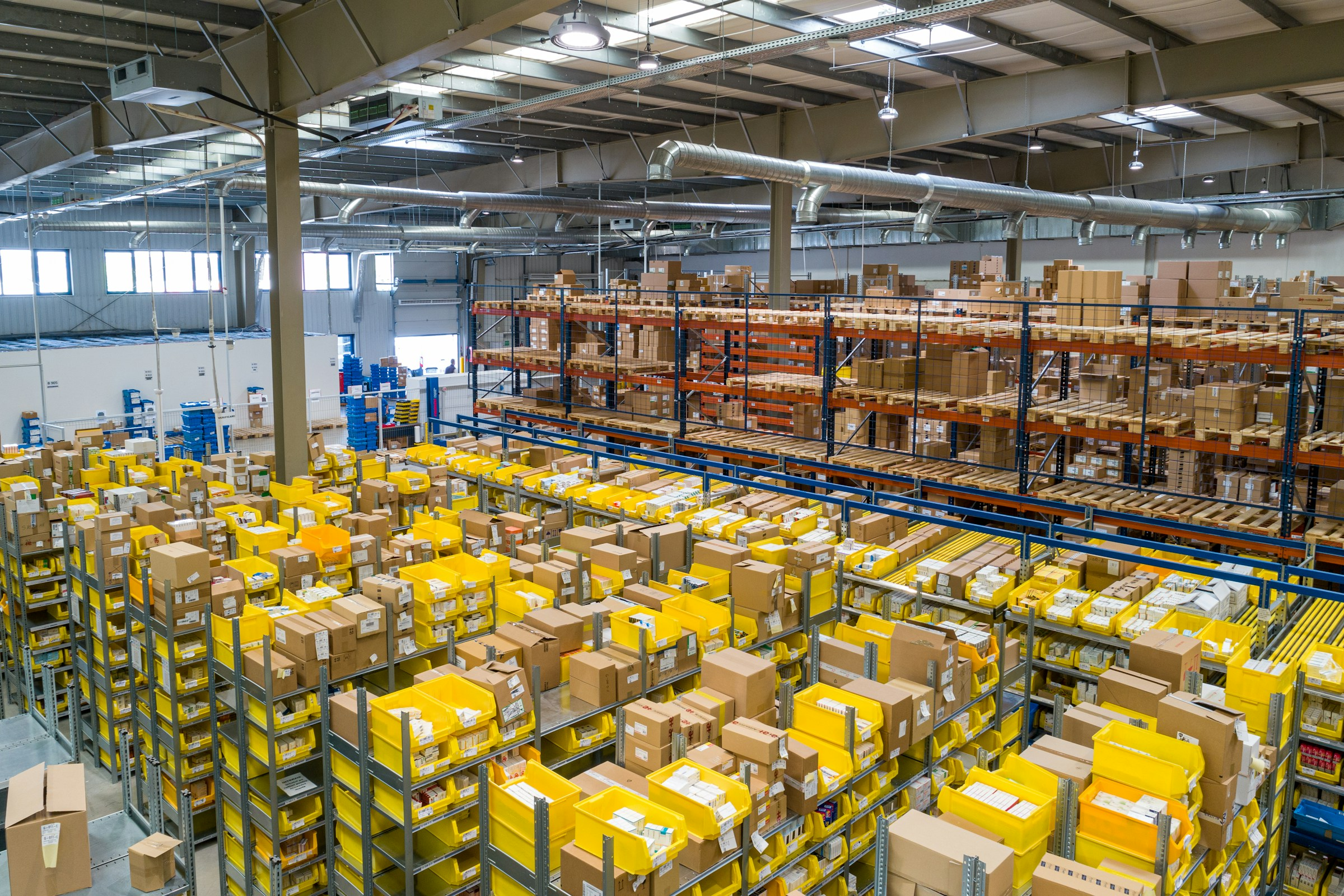
SUMEAWORLD adds a physical consolidation layer to that commercial network. Orders placed with several manufacturers can be brought together before onward movement, while inventory intended for multiple markets can be stored in one regional location and released according to customer demand.
That arrangement is useful where shipment sizes, supplier lead times, and destination requirements do not align neatly enough for every manufacturer to ship directly to the final buyer. A hub allows smaller orders from several sources to become one outbound movement, or a larger inbound shipment to be divided across several destination markets.
Jafza’s location beside Jebel Ali Port supports that model. Goods can enter a free-zone logistics environment close to deep-sea services before being stored, handled, and re-exported, reducing the distance between international transport and the warehouse operation used to reorganise the cargo.
The facility is not limited to one product family, which makes inventory control more complicated than in a warehouse designed around a single industrial sector. Building materials, consumer products, and industrial equipment can differ substantially in dimensions, handling methods, order frequency, and storage duration.
Warehouse planning therefore has to accommodate several types of stock without creating excessive dedicated space for any one category. Slotting, inventory accuracy, consolidation procedures, and clear product data become more important as the number of suppliers and destination markets increases.
Locating procurement and physical logistics within the same regional organisation can also shorten the response to exceptions. A delayed supplier order, revised project requirement, documentation problem, or change in customer demand affects both the commercial purchase and the physical movement of the goods.
When those functions are separated across several countries or service providers, even a relatively small change can require multiple handovers before inventory or transport plans are amended. SUMEAWORLD gives the group one location from which commercial and warehouse teams can coordinate those adjustments around the same stock position.
Project-related sourcing is likely to place different demands on the site from faster-moving consumer products. Construction materials and industrial equipment may be purchased against specific project stages, with goods from several manufacturers held until enough complementary items are available for a complete shipment.
That creates a balance between consolidation and dwell time. Holding products allows outbound shipments to be combined more efficiently, but inventory that remains in the warehouse for too long consumes space and working capital. The operating value of the hub will therefore depend on how closely purchasing, customer orders, and freight bookings are coordinated.
A 20-year site commitment gives the project a longer horizon than a temporary response to freight-market disruption. Warehouses become deeply embedded in supply chains once systems, customers, staff, and transport routes are organised around them, making long-duration property commitments an important indicator of where a company expects its network to remain anchored.
SUMEA’s own corporate material describes its footprint across the Middle East, Europe, Africa, and Asia and lists Dubai and Singapore offices. The Jafza operation gives that network a larger physical centre in a location designed specifically for international trade and re-export activity.
The hub is already operational rather than awaiting construction, so the next measures will be practical ones: how much inventory moves through the facility, how effectively orders from different suppliers can be consolidated, and whether the warehouse reduces fragmented stockholding across the markets SUMEA serves.
Its floor area is modest beside the largest global distribution campuses, but SUMEAWORLD has a wider role than storage alone. It is intended to become the point at which sourcing decisions, supplier orders, inventory, and international transport are brought together before goods move to customers across several regions.