IN Brief:
- Tuas Port has handled 25 million TEU cumulatively since operations began in September 2022.
- Fourteen berths are operating, with 18 planned by 2027 as terminal capacity continues to expand.
- Singapore's long-term Tuas plan provides for 66 berths and annual capacity of up to 65 million TEU.
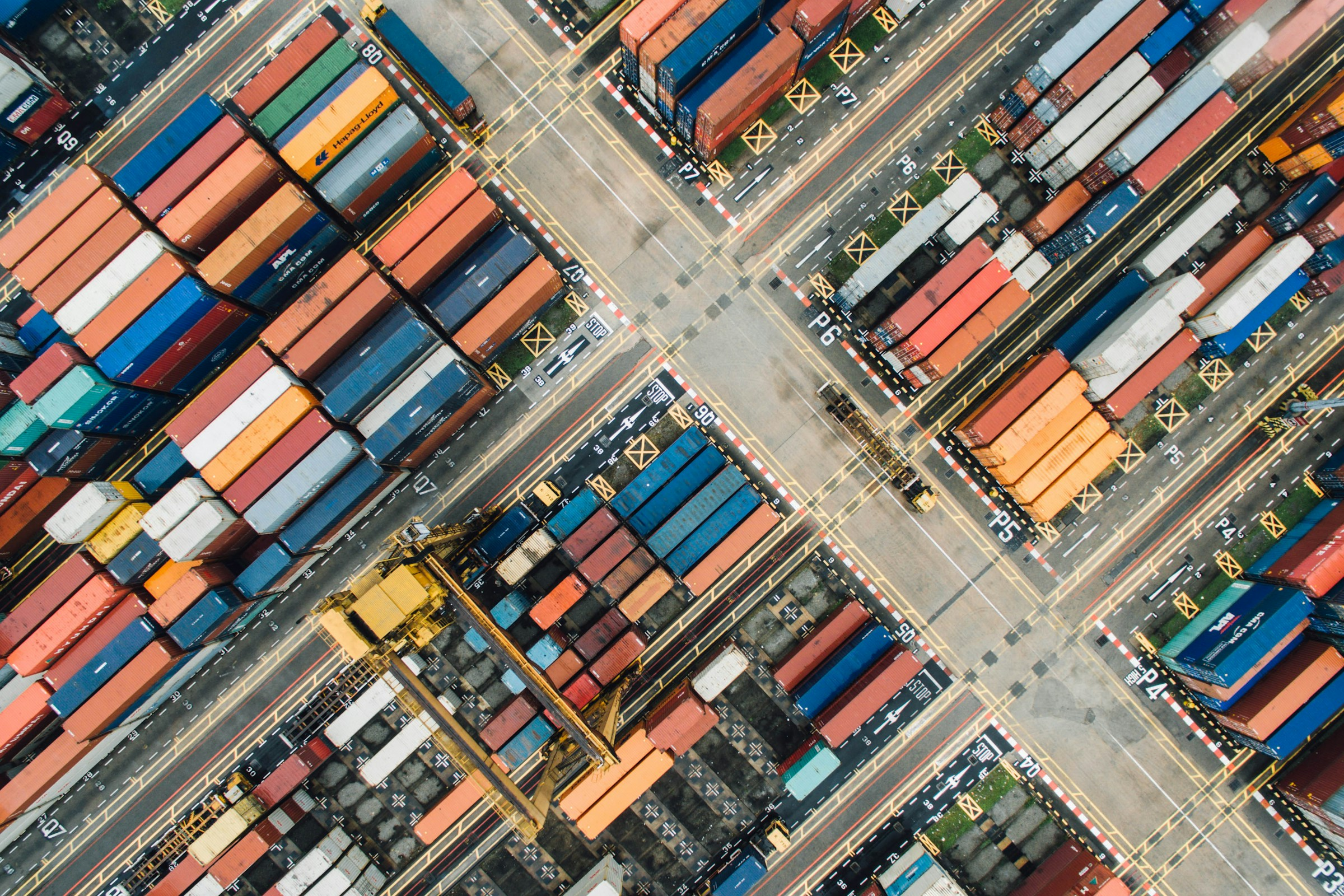
PSA Singapore has handled 25 million twenty-foot equivalent units at Tuas Port since operations began in September 2022, marking another step in the phased transfer of Singapore’s container activity to the new terminal. Tuas currently has 14 operational berths and is on track to reach 18 by 2027.
The 25 million TEU figure is cumulative rather than annual throughput, but it shows how quickly the terminal has moved beyond its initial ramp-up. Each new berth adds quay capacity while the operator expands the automated yard, equipment, and control systems needed to move containers through the site without simply shifting congestion from one part of the terminal to another.
Tuas is being developed over four phases and is intended eventually to consolidate Singapore’s container port operations in one location. The Maritime and Port Authority of Singapore says the completed port will have 66 berths across about 26km of wharf and annual handling capacity of up to 65 million TEU in the 2040s.
That end-state is almost three times the number of berths currently operating at Tuas, so the development remains a long-duration infrastructure programme rather than a finished terminal celebrating a one-off throughput record. The current milestone is better read as evidence that the operating system is scaling alongside the civil engineering programme.
Automation is central to that model. Tuas has been designed around automated terminal operations, with digital systems coordinating equipment, vessel activity, and container flows. As throughput rises, those systems have to manage more simultaneous moves while maintaining predictable hand-offs between quay cranes, yard equipment, hauliers, and other landside connections.
Singapore’s role as a transhipment hub makes that coordination particularly important. A large share of containers do not enter the domestic market but move between vessels, so a missed connection can leave a box waiting for the next sailing even when the terminal has completed the physical discharge efficiently. Schedule reliability depends on how well berth planning, yard positioning, and onward vessel connections are aligned.
The concentration of container operations at Tuas is also intended to reduce inefficiencies created by moving cargo between separate terminal locations. MPA’s long-term plan brings existing container activity into one consolidated port, allowing capacity, equipment, and supporting infrastructure to be planned around a single large operating area.
Scale brings its own operating requirements. A larger consolidated hub can reduce duplication and support more efficient use of equipment, but disruption at the site potentially affects a greater share of national container capacity. Resilience therefore depends on redundancy across berths, equipment fleets, power, software, and landside access rather than on geographical separation between terminals.
The 14-berth operating footprint already gives PSA significant scope to distribute vessel calls within Tuas, and the planned increase to 18 by 2027 will widen that capacity. The benefit will depend on whether additional yard, gate, and transport capability grows at the same pace. Berth expansion alone cannot lift effective throughput if containers cannot be moved away from the quay quickly enough.
Road connections remain one part of that equation, but Tuas is being developed within a wider industrial and logistics ecosystem in western Singapore. MPA identifies the surrounding Tuas Industrial District, Jurong Innovation District, and other business areas as part of the port’s broader economic setting, placing cargo-handling capacity close to major industrial activity.
That port-centric structure can reduce unnecessary movements for some industrial cargoes and allows logistics facilities to be planned around the same transport infrastructure as the terminal. It also concentrates port, warehouse, and manufacturing investment within an area intended to support high-volume freight activity.
The port’s ultimate 65 million TEU design capacity gives Singapore considerable room for long-term trade growth, but physical capacity alone does not determine a transhipment hub’s competitiveness. Shipping lines also depend on connectivity, reliability, cost, productivity, and the ability to recover from disruption. Tuas therefore has to combine its scale with consistent operating performance as more national container activity is transferred to the site.
The latest milestone indicates that process is well under way. PSA has reached 25 million cumulative TEU with 14 berths operating, while the next target of 18 berths by 2027 is already defined. The much larger 66-berth end-state remains years away, leaving several phases of construction, commissioning, and operational integration still to complete.
The next measure is whether each expansion stage increases usable resilience alongside theoretical capacity. Tuas is being asked to handle more cargo, more vessel connections, and a larger share of Singapore’s container activity at the same time. The 25 million TEU milestone shows that the terminal is already carrying a substantial workload; later phases will test how effectively automation and consolidation scale with it.