IN Brief:
- Singapore plans an end-to-end digital ship registration system for launch during the first half of 2027.
- AI will support application vetting and processing, with standard applications targeted to fall from up to three working days to minutes.
- Industry pilot trials will take place before launch as the Singapore Registry of Ships expands digital administration.
The Maritime and Port Authority of Singapore plans to introduce an end-to-end digital ship registration system during the first half of 2027, using AI to support application vetting and reduce standard processing times from as much as three working days to minutes.
The platform will connect the process from initial application submission through to certificate issuance and give shipowners and agents visibility over application status. Industry participants will be invited into pilot trials before launch so that workflows can be tested under real operating conditions.
AI is being used to support vetting and processing rather than replace regulatory judgement. Ship registration determines the flag under which a vessel operates and requires information to be checked against statutory requirements, so faster processing still depends on the system identifying cases that require human review.
Reducing routine administrative work can nevertheless have a practical effect on fleet operations. A vessel may be physically ready to trade, but ownership records, certificates and flag administration still have to be maintained correctly before the ship can operate within international regulatory frameworks.
Administrative systems therefore form part of maritime infrastructure even though they do not move cargo physically. Delays in documentation can affect when vessels enter a registry, when certificates become available and how quickly operators complete transactions around their fleets.
The Singapore Registry of Ships now covers more than 4,400 vessels. MPA recorded 137 million gross tonnes of registered shipping at the end of 2025, up 27% from the previous year and placing Singapore fourth among global ship registries.
Its fleet has an average age of about 11 years, which MPA describes as the youngest among the ten largest registries. Managing a fleet at that scale turns incremental improvements in administrative processing into a substantial volume issue because thousands of vessels generate recurring applications and certificate requirements.
The 2027 system builds on digital work already undertaken by MPA. Singapore introduced revised ship-name reservation and insurance-certificate processes during 2025, including AI-assisted processing for insurance certificate applications.
MPA reported that insurance certificate processing could fall from between one and three days to under five minutes under the newer workflow. Extending similar techniques into full ship registration increases the scope from a relatively contained administrative task to a process spanning several stages and datasets.
Information has to remain consistent across those stages if the faster front end is to translate into faster certificate issuance. Automating one check brings limited benefit if data then has to be re-entered manually or reconciled elsewhere before the application can progress.
Standard applications should benefit most because they follow predictable rules and data structures. Incomplete, unusual or technically complex cases are more likely to require human assessment, so the system’s effectiveness will partly depend on how reliably it distinguishes straightforward applications from genuine exceptions.
MPA’s target is framed around those standard cases rather than every registration. Automating repeatable applications can also release administrative capacity for cases that need deeper scrutiny rather than simply reducing headcount around the process.
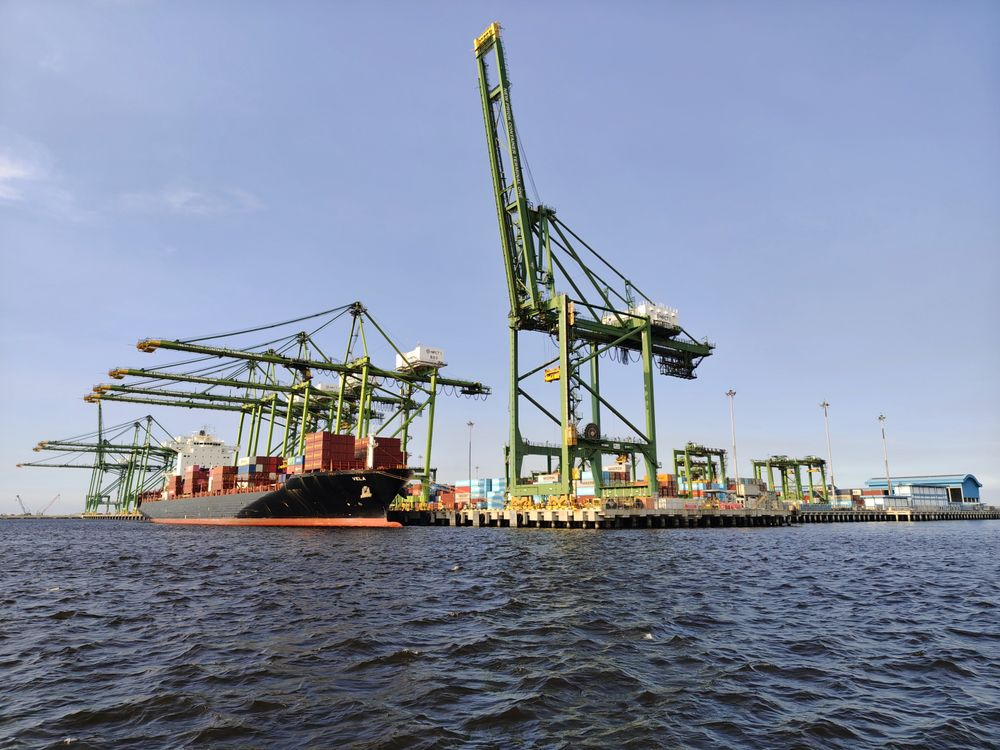
Singapore is expanding physical maritime capacity at the same time. Tuas Port has passed 25 million TEU handled since operations began, with additional automated berths being developed as the terminal works towards much larger long-term capacity.
Registry administration serves a different purpose from terminal automation, but both programmes address scale by reducing manual intervention around repeatable activity. One coordinates information around ships; the other coordinates the movement of containers and equipment.
The registry will also have to accommodate a more technically varied vessel population as shipping adopts alternative fuels, new propulsion systems and increasingly connected onboard technologies. Faster digital processing cannot come at the expense of capturing the additional information required around those changes.
Pilot trials should help expose where automated checks produce unnecessary exceptions, where document requirements remain ambiguous and where users have to enter the same information more than once. Those issues can undermine the value of an ostensibly digital process if they are left unresolved before launch.
Shipowners and agents will experience those workflows directly, which makes their participation useful before the system moves into full service. A process that is technically efficient inside the authority can still create delay if external users find the submission requirements difficult to navigate.
The new system will not alter the sailing time of a vessel or the physical speed at which freight passes through Singapore. Its contribution is narrower but still operational: reducing administrative delay around the fleet that carries that freight.
As maritime supply chains become more digital, regulatory systems increasingly sit alongside ports, vessels and terminals as part of the infrastructure determining how efficiently shipping companies can deploy assets. Singapore’s 2027 platform is intended to shorten one of those administrative paths without weakening the control behind it.