IN Brief:
- Q3 extended pressures already visible during the first half, as Gulf disruption, customs reform and tariff exposure became embedded in operating decisions.
- Global goods trade remained above trend, but route and mode performance diverged as Panama, Hormuz and Gulf-linked air cargo faced different constraints.
- Procurement, customs data, inventory positioning and warehouse automation became more closely connected to landed cost and network resilience.
Q2 closed with logistics networks already absorbing Gulf disruption, tariff uncertainty, changing parcel rules and continued warehouse automation, and none of those pressures disappeared when July began. Some moved from preparation into live operation during Q3, while others simply lasted long enough to become embedded in freight budgets, sourcing decisions and network design. The quarter added further constraints without producing a general contraction in global goods movement.
Although trade policy and geopolitical pressure remained elevated, the World Trade Organization’s September Goods Trade Barometer stood at 102.0, above its long-term trend and slightly higher than the June reading of 101.7. Electronic components reached 104.9 as AI infrastructure investment continued to support trade, while air freight registered 102.8. Container shipping, at 99.6, was the only main component to sit below trend, reflecting a market in which aggregate trade remained resilient while individual routes and transport modes behaved very differently.
Air cargo illustrated that divergence particularly clearly, with global demand rising 4.4% year on year in August even as available capacity fell 0.1%. Asia–North America traffic increased 13.2%, while Europe–Middle East contracted 12.1% and Middle East–Asia fell 11.0%. Jet fuel prices were also 79.2% higher than a year earlier, leaving stronger global tonnage to coexist with substantially more difficult economics on fuel-sensitive and Gulf-connected lanes.
Hormuz disruption entered Q3 as an existing condition rather than a fresh shock, and its effects continued through tanker deployment, bunker prices, insurance and carrier planning. Middle East crude exports recovered during September but remained around 3.2 million barrels per day below February levels, while traffic through the Strait stayed below its pre-conflict pattern. Container freight absorbed part of that pressure through measures including a fuel surcharge introduced across CMA CGM services from August, while tanker operators increasingly used Fujairah, Oman and ship-to-ship transfers to reduce exposure to the most constrained parts of the Gulf.
While Gulf disruption persisted, water availability brought the Panama Canal back into freight planning during August and September. Drought had already demonstrated the canal’s exposure during 2023 and 2024, so the mechanism was familiar, but below-expected rainfall again reduced operating flexibility during Q3. The Panama Canal Authority cut available daily slots to 34 from 3 September and 32 from 15 September, after earlier reductions to maximum Neopanamax draughts had already required carriers to adjust vessel and cargo planning. Rainfall improved late in September, allowing the maximum authorised draught to rise to 49 feet and supporting a modest increase in daily slots from October, but water remained an operational variable rather than a resolved constraint.
The EU’s low-value parcel reform followed a different chronology, having been prepared for during Q2 before becoming operational on 1 July. The previous customs duty exemption for consignments worth up to €150 was removed and replaced by a temporary €3 charge for each distinct tariff category within eligible low-value consignments. Almost 5.9 billion low-value items entered the EU during 2025, giving relatively small changes in unit economics and declaration requirements considerable scale across parcel and airfreight networks.
Changes in freight patterns followed quickly, with China–Europe air cargo volumes falling through July as low-value ecommerce adjusted to the new import regime and Hong Kong–Europe traffic remaining well below the previous year during August. The €3 duty was only one part of the adjustment. Classification, item-level customs data, IOSS processes, seller pricing and delivered-duty capability all became more important to the economics of direct ecommerce shipments, while mandatory product identifiers from November extend the data requirement further.
While parcel operators dealt with new customs economics, US trade policy brought sourcing evidence more directly into landed-cost calculations. The Office of the United States Trade Representative moved from its June forced-labour tariff proposal to final Section 301 action on 23 July, applying additional duties across 60 trading partners from the following day. Rates were generally set at 10% or 12.5%, subject to exclusions and different treatment for specified products and economies. The earlier proposal had already increased pressure on supplier mapping and origin evidence; Q3 attached a direct customs cost to the final measure.
Supplier due diligence itself is well established, but tariff exposure narrows the separation between compliance work and procurement economics. Price, quality, lead time and available capacity remain central to sourcing decisions, yet subcontractor visibility, origin records and the ability to substantiate supplier information can now alter the landed cost of a purchase after commercial terms have been agreed. That convergence was reinforced elsewhere during the quarter as customs authorities, carriers and technology providers invested in more detailed product and shipment data.
Warehouse investment also continued along a trajectory established well before Q3, although several developments extended automation further into network and inventory design. Amazon expanded Amazon Warehousing and Distribution into the UK, Germany, France, Italy and Spain from 20 August, adding bulk inventory storage and automated replenishment into its European fulfilment infrastructure. Days earlier, AutoStore agreed a global supply framework under which Amazon can procure its storage and fulfilment systems, although the agreement contained no committed purchase volumes. Those moves sat alongside Amazon’s continued development of larger automated distribution facilities, rather than marking a sudden change in automation strategy.
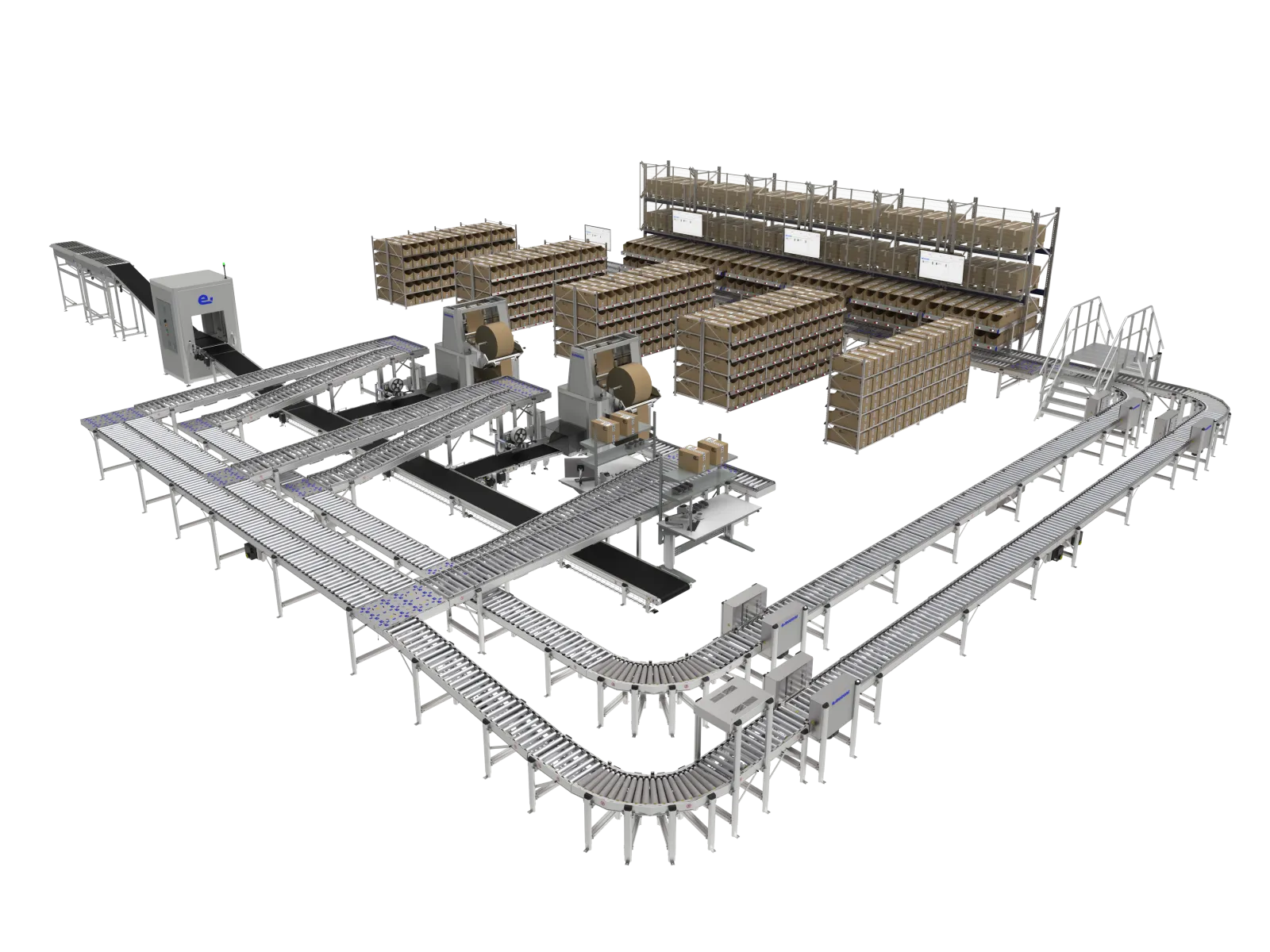
The same progression was visible elsewhere, as automation spread across mature logistics networks rather than remaining confined to showcase facilities. UPS reported that more than two thirds of its US domestic volume was already moving through automated processes, with another 24 automated buildings scheduled to enter its network during 2026, while large-scale AutoStore and robotic picking deployments continued across retail and industrial distribution. The emphasis increasingly sits on how storage, replenishment, picking and transport systems interact, because isolated automation can improve one process while simply moving a constraint elsewhere.
By the end of September, global trade remained active but increasingly uneven in how it reached its destination. Energy disruption affected routes far beyond the Gulf, Panama again tied vessel planning to rainfall, parcel customs reform altered high-volume ecommerce economics, sourcing controls reached directly into tariff exposure, and warehouse automation continued its gradual shift from individual equipment projects towards more integrated network design. Entering Q4, alternative routes, supplier evidence, customs data, inventory location and fulfilment systems increasingly have to function as parts of the same operating model rather than as separate resilience measures.
What were Q3 2026’s biggest logistics stories?
Hormuz disruption settled into freight planning
Disruption around the Strait of Hormuz carried directly over from Q2, but its persistence through Q3 changed the planning horizon for freight and energy markets. Middle East crude exports recovered during September without returning to February levels, while tanker deployment, marine fuel prices, insurance and carrier surcharges continued to reflect constrained Gulf movements. The fuel surcharge applied across CMA CGM services from August demonstrated how an energy shock was transmitted into container freight, while tanker operators developed collection patterns using Fujairah, Oman and ship-to-ship transfers. By September, physical bunker availability had improved across major hubs, although elevated fuel and blending costs remained. The quarter extended an existing disruption rather than producing a separate new one.
Panama tightened capacity as rainfall disappointed
The Panama Canal’s water constraint returned during Q3 after the much deeper drought disruption experienced in 2023 and 2024. The Panama Canal Authority reduced available daily slots to 34 in early September and 32 from mid-month after rainfall and watershed inflows fell below expectations. Earlier draught reductions for Neopanamax vessels had already complicated cargo and vessel planning, although improving rainfall later allowed the maximum authorised draught to rise to 49 feet. The restrictions remained less severe than those imposed during the previous drought, but they coincided with continuing disruption across other maritime corridors, reducing the amount of genuinely unconstrained alternative capacity available to carriers.
EU parcel reform changed ecommerce freight flows
The European low-value import change arrived on schedule on 1 July after several months of preparation. The €150 customs duty exemption was removed, with a temporary €3 charge applied to each distinct tariff category within eligible low-value consignments. With almost 5.9 billion low-value items entering the EU during 2025, the change reached far beyond the value of the levy itself. China–Europe ecommerce airfreight weakened during July, while Hong Kong–Europe traffic remained under pressure in August as sellers and logistics providers adjusted pricing, routing and customs processes. Classification, item-level data and checkout calculations now have a greater role in parcel economics, with mandatory product identifiers adding another requirement from November.
Forced-labour tariffs moved into US sourcing costs
The US Section 301 action on forced-labour import controls moved from proposal to implementation during July. The Office of the United States Trade Representative imposed additional tariffs across 60 trading partners from 24 July, generally at 10% or 12.5%, subject to exclusions and modified treatment for specified economies and goods. Forced-labour due diligence itself was already established in procurement and customs compliance, but the final action connected supplier evidence more directly with broad tariff exposure. The June proposal had already placed greater emphasis on supplier mapping, origin records and customs documentation; Q3 converted that prospective risk into a live landed-cost consideration.
Amazon extended automation further upstream
Amazon continued the logistics expansion already visible in the first half, adding another layer upstream from final fulfilment. Amazon Warehousing and Distribution expanded into five European markets on 20 August, providing bulk inventory storage and automated replenishment into Fulfilment by Amazon sites. Days earlier, AutoStore agreed a global supply framework under which Amazon can procure its systems worldwide, although no purchase volumes were committed. The developments fit a longer programme that has already included larger robotics-heavy distribution facilities in the US. Q3 extended that trajectory towards tighter integration between bulk inventory, replenishment and automated fulfilment rather than introducing a new automation strategy.
IN answer to…
Did global supply chains deteriorate during Q3 2026?
No single measure points to a general deterioration. The WTO Goods Trade Barometer reached 102.0 in September, indicating above-trend merchandise trade, while electronics and air freight were particularly strong. Conditions varied substantially by route, however, with container shipping slightly below trend, Gulf-linked air cargo contracting, fuel costs elevated and Panama reducing available transit capacity.
Why did the Panama Canal restrict transits again in 2026?
Below-expected rainfall reduced water availability in the Panama Canal watershed during the wet season. Because lock operations consume freshwater, the Panama Canal Authority reduced daily booking slots and adjusted maximum vessel draughts to conserve supplies. Similar constraints affected the canal during the 2023–24 drought, although the restrictions imposed during Q3 2026 were less severe and began easing as rainfall improved late in September.
What changed for low-value parcels entering the EU in Q3?
From 1 July 2026, the previous customs duty exemption for consignments worth up to €150 was removed. A temporary €3 customs charge now applies to each distinct tariff category within eligible low-value consignments. Sellers and logistics providers therefore need more accurate item classification and customs data, while the economics of direct-to-consumer ecommerce shipments have changed. Product identifiers become mandatory from 1 November 2026.
How did procurement risk change during Q3 2026?
Supplier traceability became more directly connected with landed cost when US Section 301 tariffs linked to forced-labour import controls took effect in July across 60 trading partners. Price, quality, lead time and capacity remain central to procurement, but supplier tiers, origin evidence and customs documentation can now alter the tariff cost or admissibility of goods after a sourcing decision has been made.