IN Brief:
- DB Cargo UK has begun a structured process to identify a new owner as its German parent refocuses on Central Europe.
- The business operates 228 locomotives, employs around 2,200 people, and provides domestic and cross-Channel railfreight services.
- Management says services will continue while advisers seek an owner with the capital and strategic focus to support future growth.
DB Cargo UK has begun a structured process to identify a new owner, opening one of Britain’s largest railfreight operations to outside investment as parent company DB Cargo AG concentrates increasingly on its Central European business.
Legal and financial advisers have been appointed to support the process, with the UK management board seeking an owner able to provide additional capital, wider market opportunities, and sufficient scale for the next phase of the business. No timetable for a transaction or preferred buyer has yet been disclosed.
Operations are continuing while that process runs. That continuity matters because DB Cargo UK sits inside industrial supply chains where rail services are planned around factory output, port calls, construction programmes, bulk-material requirements, and fixed terminal slots rather than discretionary passenger demand.
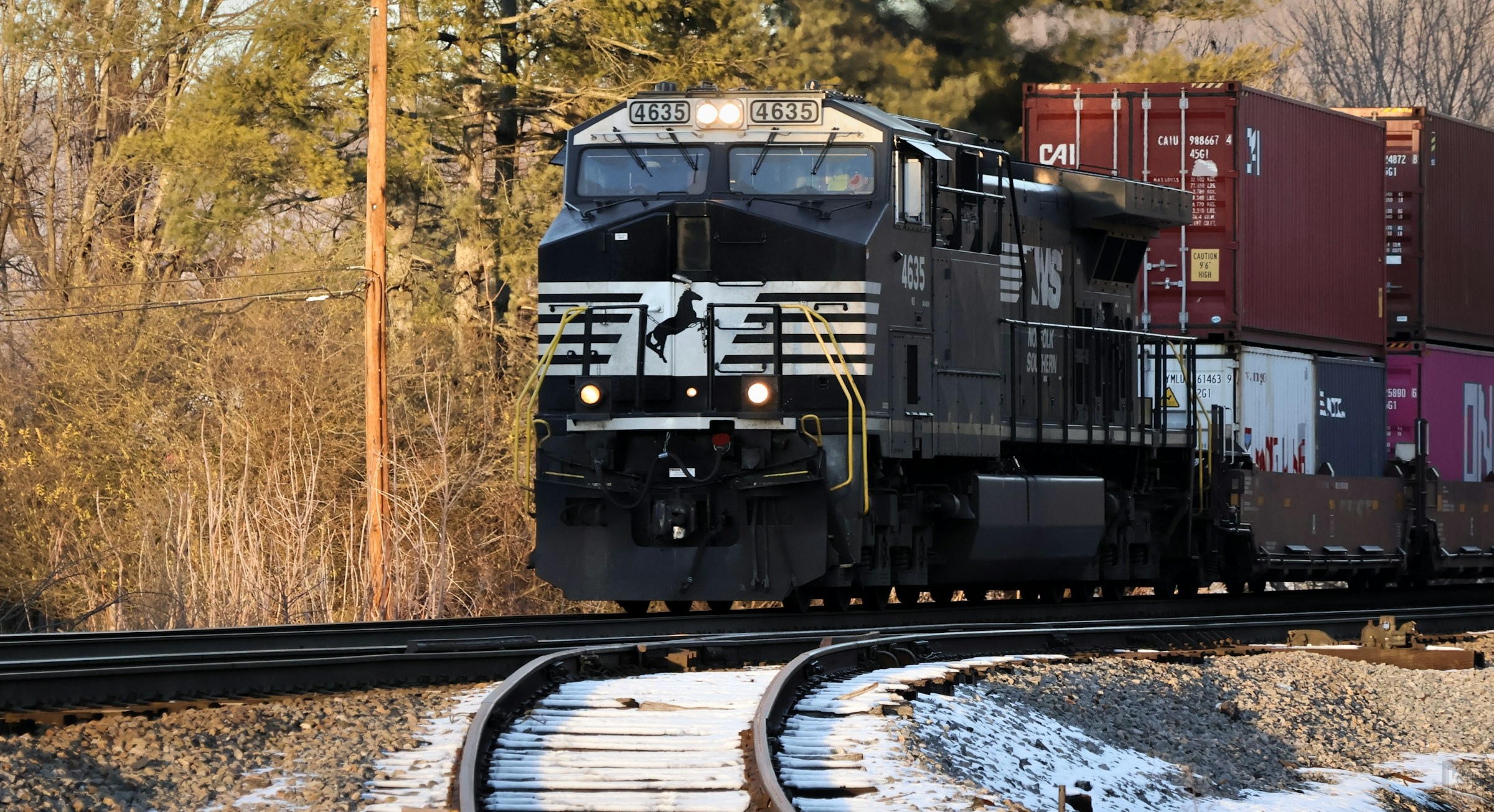
The company operates 228 diesel and electric locomotives and employs around 2,200 people across Britain. Its activities include domestic freight, infrastructure trains, passenger charter work, and freight services to and from mainland Europe through the Channel Tunnel.
That scale gives a prospective buyer an established national operating platform rather than a collection of isolated contracts. DB Cargo UK serves sectors including automotive, metals, construction, chemicals, biomass, intermodal freight, waste, and rail infrastructure, creating exposure to several different demand cycles.
The sale follows a wider restructuring at DB Cargo AG after European state-aid scrutiny and a strategic decision to focus more closely on its core Central European network. The British operation therefore has to find its next growth route outside the ownership structure that has supported it since Deutsche Bahn acquired EWS in 2007.
For customers, the decisive issue will be what a new owner intends to do with the network rather than the headline purchase price. Railfreight profitability depends on locomotive and wagon utilisation, train-path availability, terminal access, maintenance capability, and enough traffic density to spread fixed costs across regular services.
A buyer with complementary logistics activities could potentially combine flows, terminals, or customer contracts more effectively than an owner treating the company as a stand-alone rail asset. The reverse is also true: a purchaser primarily interested in property, rolling stock, or selected contracts could reshape the operating footprint in ways that matter to existing shippers.
The business has continued investing and signing contracts while the ownership question has developed. In April, DB Cargo UK agreed a seven-year automotive contract with CAT UK covering finished vehicles moving from Jaguar Land Rover’s Halewood manufacturing plant to the Port of Southampton. The company has also been fitting European Train Control System equipment and testing alternative traction technology.
Those investments reflect a railfreight market that is changing technically as well as commercially. Digital signalling, locomotive replacement, energy costs, and pressure to shift more freight from road all require capital before the additional revenue or operating savings are certain.
The asset base has unusually long investment cycles. Freight locomotives and terminals can remain operational for decades, so decisions made during an ownership transition can determine the shape of the network long after the transaction itself has disappeared from the business pages.
Customers will therefore be watching whether investment continues during the sale. A business can maintain today’s timetable while postponing maintenance, fleet renewal, terminal work, or technology projects that determine service quality several years later.
The UK railfreight market also remains dependent on infrastructure outside the operators’ control. Train paths compete with passenger traffic, terminal capacity varies by corridor, and some industrial flows remain difficult to transfer from road unless both origin and destination have practical rail access.
That makes DB Cargo UK’s established footprint valuable, but it also defines the challenge for any buyer. Existing scale provides market access and operating capability; turning that position into profitable growth still requires enough long-term freight volume to justify assets that cannot simply be redeployed overnight.
The sale process is at an early stage. Until bidders and transaction terms emerge, the stronger indicators will be contract retention, fleet investment, operating reliability, and whether DB Cargo UK continues committing resources to the services its next owner will ultimately inherit.