IN Brief:
- SOHAR handled 52 million tonnes in H1 2026, while container throughput increased 40% to 545,000 TEU.
- Ship-to-ship volumes reached 24.38 million tonnes, and breakbulk cargo rose to 1.24 million tonnes.
- Warehouse leasing and OMR2.62 billion of projects under execution are expanding the port and freezone's landside capacity.
SOHAR Port and Freezone handled 52 million tonnes of cargo during the first half of 2026, a 52% year-on-year increase as container, ship-to-ship, and breakbulk activity expanded across the Omani gateway.
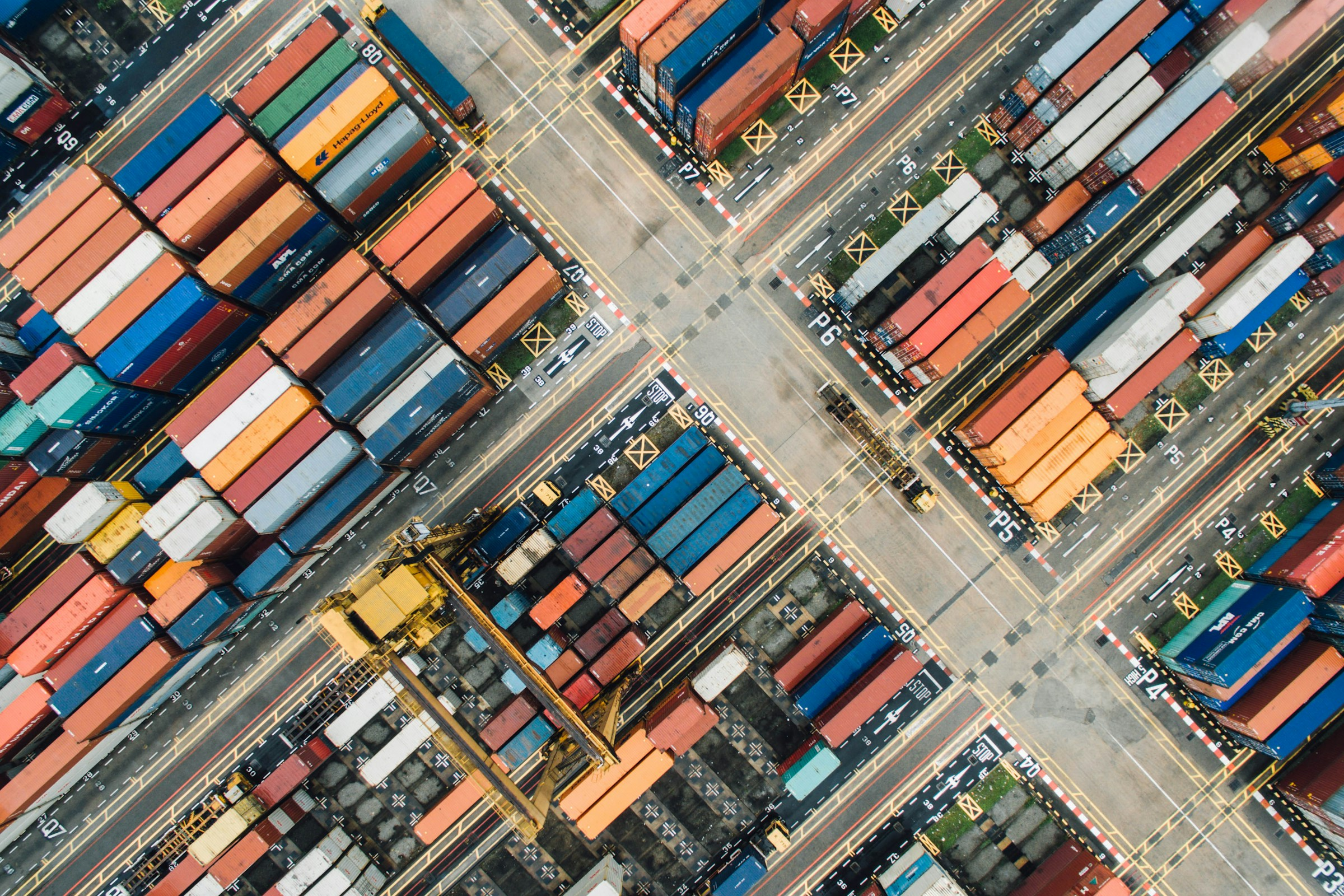
Container throughput increased 40% to 545,000 twenty-foot equivalent units, driven largely by higher transhipment activity. Ship-to-ship cargo reached 24.38 million tonnes, while breakbulk volumes rose to 1.24 million tonnes.
The port handled approximately 1,555 vessel calls during the six-month period despite a decline in dry bulk volumes. Growth across several cargo categories creates a broader operating challenge than an increase concentrated in a single commodity because containers, breakbulk, and ship-to-ship movements place different demands on berths, equipment, yards, and labour.
Container transhipment depends particularly heavily on schedule coordination. Cargo discharged from one vessel has to be positioned, stored, and loaded onto its onward service within a timetable shaped by the arrival performance of both ships.
As volumes rise, missed connections can quickly consume additional yard space and extend container dwell. Berth planning, crane productivity, equipment availability, and onward vessel schedules therefore become increasingly interdependent.
Breakbulk traffic places different demands on the terminal. Cargo that cannot move in standard containers can require specialist lifting equipment, open storage, project planning, and more variable handling times, limiting how far headline capacity figures alone describe the available operational headroom.
SOHAR’s first-half growth is being accompanied by investment across the port and adjoining freezone. Existing and expansion projects under execution represent a combined investment value of OMR2.62 billion, while five new freezone investment agreements worth OMR226.47 million were signed during the period.
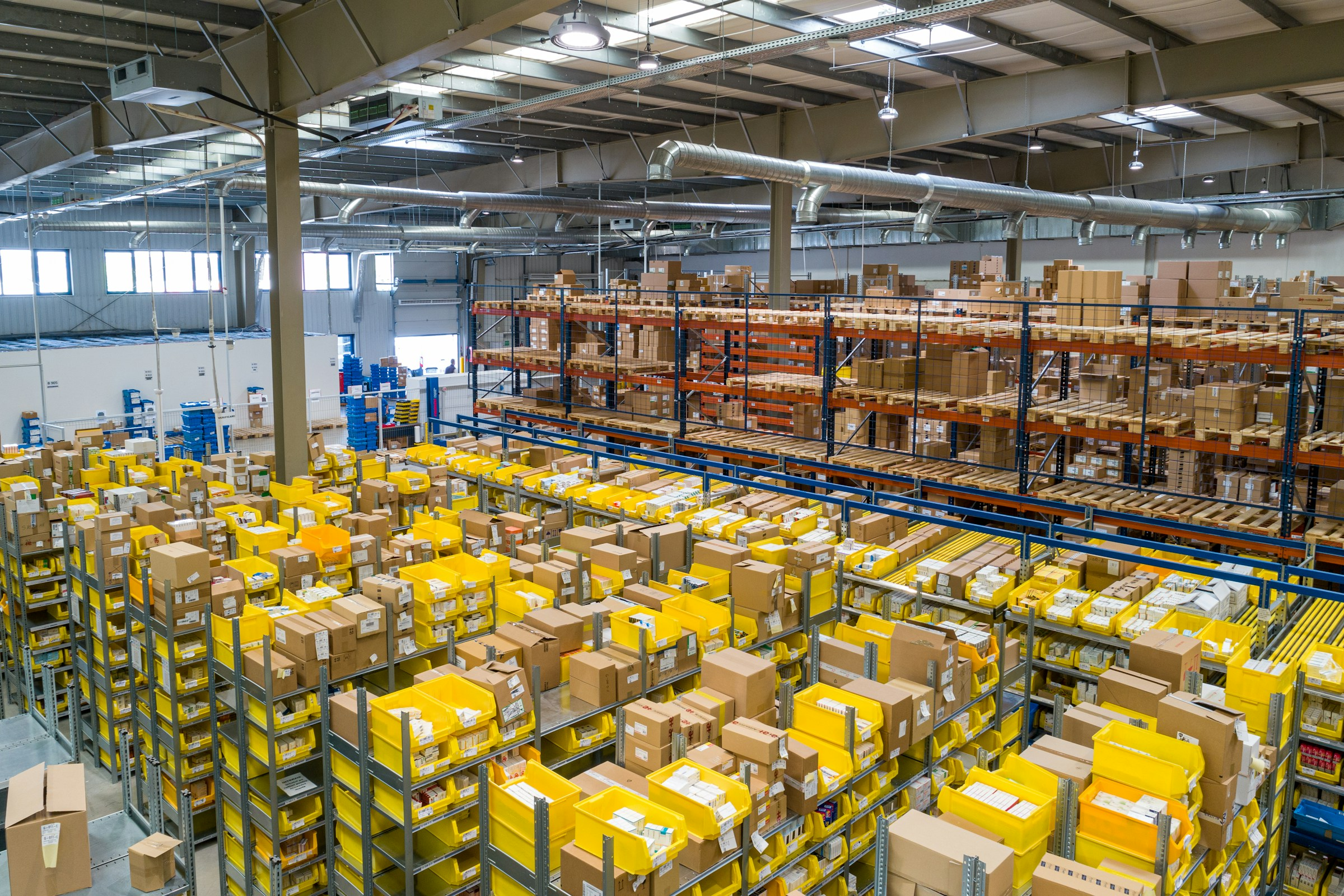
Leased warehouse space reached approximately 37,000 square metres, up 19% year-on-year. That increase indicates that growth is extending beyond marine throughput into storage and industrial logistics on the landside.
The combination of port and freezone capacity gives occupiers scope to receive cargo, store materials, process or assemble products, and redistribute them from the same wider industrial location. The usefulness of that model depends on roads, utilities, warehousing, yard space, and port capacity developing together rather than allowing one element to become the constraint.
Recent carrier activity is adding to the port’s regional role. A restored India-Gulf container service includes Sohar on a rotation connecting western India, Pakistan, and Gulf ports, widening feeder and regional options for cargo moving through Oman.
Higher transhipment volumes can make those connections more valuable by increasing the number of services available through the hub. They can equally make the network less forgiving when one vessel is late, because a delayed inbound call may leave cargo waiting for the next available onward sailing.
Warehouse demand introduces its own planning pressures. Port-adjacent storage can reduce inland mileage and position inventory close to marine services, but logistics land is finite and competes with manufacturing plants, roads, utilities, container yards, and future terminal expansion.
The 19% increase in leased warehouse space therefore has implications for the long-term layout of the freezone. Decisions made during periods of rapid take-up can determine whether sufficient land remains available for larger industrial and logistics projects later.
SOHAR’s integrated model also creates the possibility of more cargo being processed within the port-industrial ecosystem instead of leaving immediately after discharge. That can add value locally while reducing some transport movements, although it increases requirements for power, water, workforce access, and industrial infrastructure around the port.
The scale of current investment suggests that SOHAR is planning for higher activity across both maritime and industrial operations. New capacity has to absorb not only average growth but the peaks created when several large vessels, project cargoes, or industrial supply requirements arrive together.
For shippers, the attraction of a multi-purpose gateway lies partly in flexibility. Container, breakbulk, bulk, and ship-to-ship capability create several possible logistics flows, while adjacent industrial and warehouse space can reduce the number of handovers required between port, storage, and processing operations.
The first-half figures place that model under a more demanding operating load. A 52% increase in total cargo, 40% growth in containers, and higher warehouse occupancy will expose weaknesses quickly if marine and landside capacity fail to expand at comparable rates.
With OMR2.62 billion of projects under execution, the next measure will be whether infrastructure investment can maintain berth, yard, warehouse, and inland performance as SOHAR handles greater transhipment volumes and attracts more industrial occupiers into the freezone.