IN Brief:
- DP World says 500,000 TEUs have moved through its GCC road and rail network since March.
- The inland network supports around 3,000 truck movements daily following the addition of 700 trucks.
- Bonded corridors and a 100,000 sqm Dubai empty-container depot are widening regional routing options.
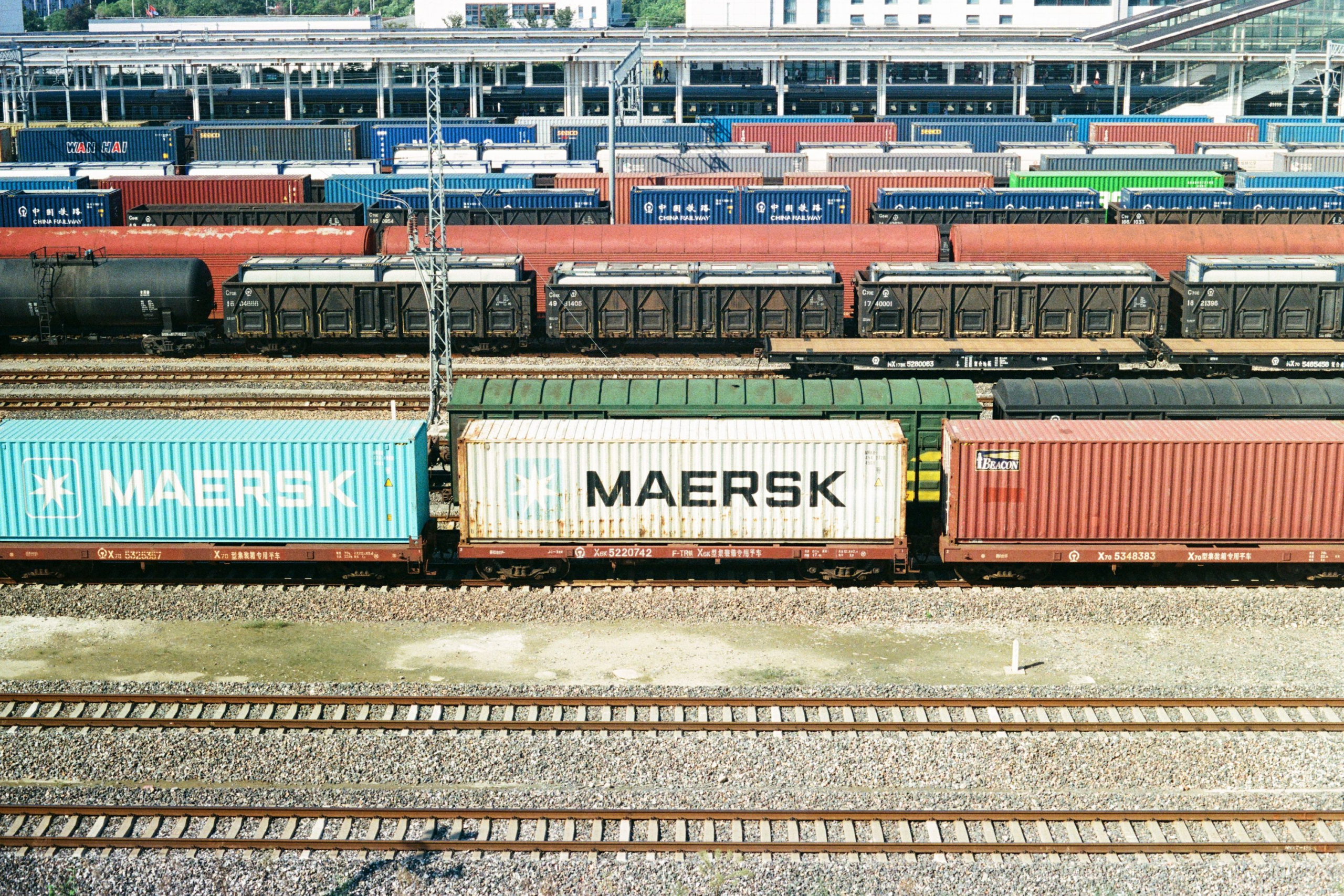
DP World says it has moved 500,000 TEUs across its Gulf Cooperation Council road and rail network since March, as maritime disruption increases the value of inland routes connecting ports, industrial areas, container depots, and neighbouring markets.
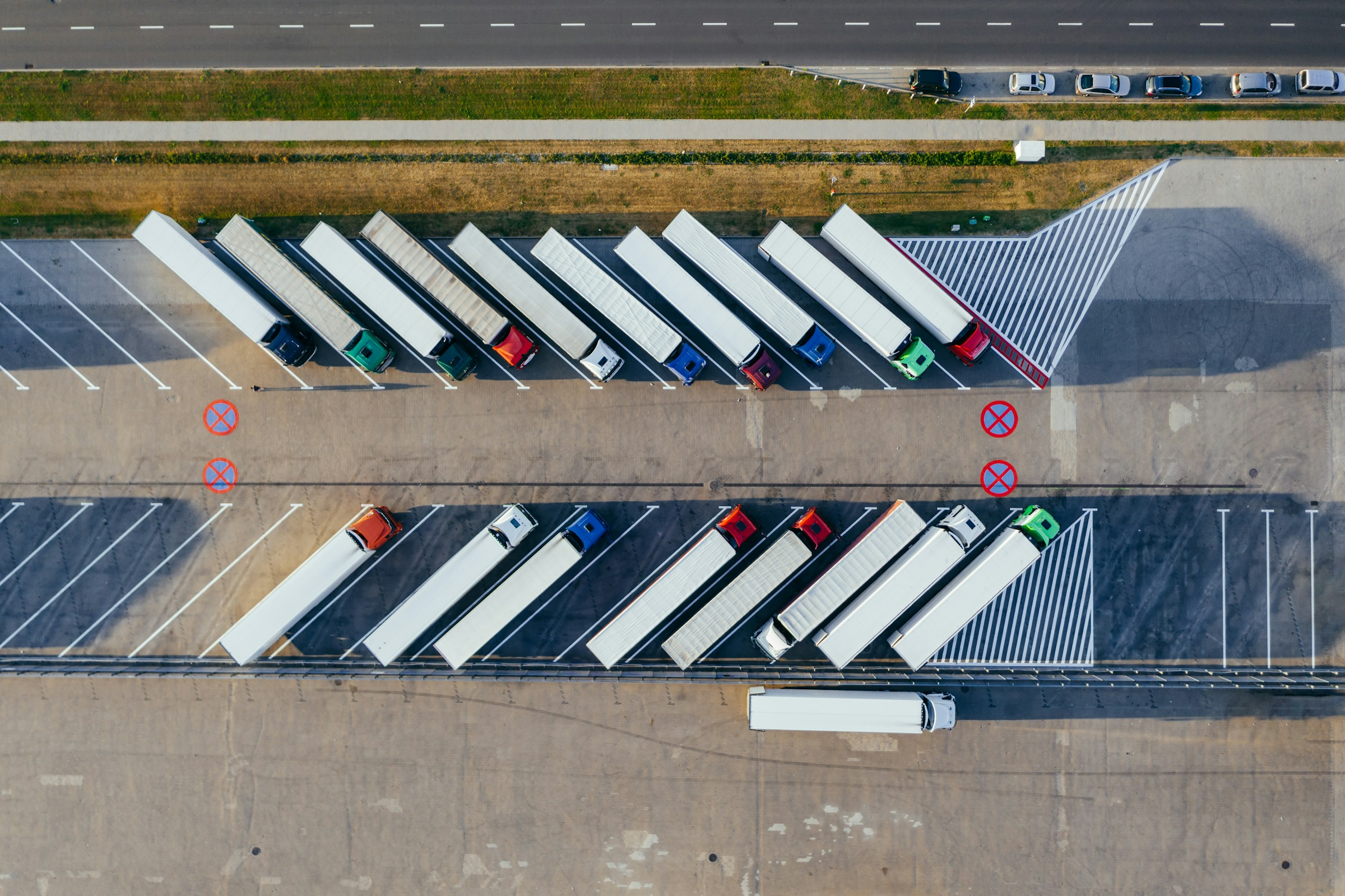
DP World says the regional network now supports around 3,000 truck movements a day, while a recently added fleet of 700 trucks is increasing domestic and cross-border freight capacity.
The half-million-TEU figure reflects cargo moved through a network extending beyond the company’s marine terminals. Recent additions include fast-track bonded corridors linking east-coast gateways with Jebel Ali, a bonded connection from Sohar in Oman, and routing through the South Container Terminal at Jeddah Islamic Port.
The operator has also opened a 100,000 sqm inland empty-container depot at Al Awir in Dubai. The facility adds storage, inspection, condition reporting, release, and inventory-management capability away from the main Jebel Ali port estate.
Located close to Emirates Road, the depot can handle 20-, 40-, and 45-foot empty equipment and is positioned for possible future connection with Etihad Rail.
Inland capacity changes the gateway model
Container transport does not end when a box leaves the terminal gate. Laden cargo still has to reach a warehouse, factory, or customer, while the empty equipment subsequently needs to be returned, inspected, stored, repaired where necessary, and repositioned for its next use.
Moving part of that activity inland reduces the number of journeys that must return directly to a major marine terminal. Shipping lines can position empties closer to customers, while hauliers avoid some unnecessary port approaches where the container itself does not need to be inside the terminal.
That matters when road networks are already carrying high volumes of import and export traffic. Three thousand truck movements a day represent a sizeable landside operation before the newly acquired vehicles are fully reflected across the network.
The bonded corridors address another barrier. An alternative port is useful only if cargo can move from it through customs-controlled routes without creating a new administrative delay that wipes out the advantage of changing gateway.
Fast-track bonded movements between approved ports and inland locations allow DP World to offer routing choices while retaining customs control. This gives cargo owners an alternative when disruption affects a normal maritime leg or changes which port a vessel can use reliably.
The ability to move cargo by road or rail cannot replace the scale of a major container shipping route, but it can redistribute freight once a vessel reaches the region. That distinction has become more important where shipping disruption changes port rotations or extends sailing times.
Resilience depends on usable alternatives
DP World’s latest expansion also illustrates the commercial shift from terminal operator towards integrated logistics provider. The company is combining port handling with inland transport, container storage, customs-controlled corridors, and other logistics services rather than handing responsibility to another operator at the quay.
For customers, a wider network can reduce the number of contractual and operational handovers in a journey. It also gives DP World greater control over cargo after discharge, increasing the amount of the supply chain from which the company can earn revenue.
That integration is valuable only if the individual elements work under pressure. A bonded corridor with insufficient trucking capacity offers little resilience, while additional trucks cannot help if container equipment is unavailable or customs clearance becomes the new bottleneck.
The Al Awir depot addresses the equipment side of that equation. Empty containers are often treated as background assets, yet shortages in the correct size or type can delay exporters even where vessel capacity remains available.
Moving equipment closer to industrial and logistics districts across Dubai, Sharjah, and the Northern Emirates can reduce repositioning distances and give shipping lines another location from which to manage their inventories.
Rail could extend that model further if future Etihad Rail integration proceeds. Larger container blocks could then move between inland hubs and port infrastructure without adding the equivalent number of long-distance truck journeys, while road transport remains necessary for collection and final delivery.
The 500,000-TEU figure shows that these inland routes are already carrying meaningful volumes. It does not establish how much traffic represents genuine diversion from disrupted maritime services rather than routine regional logistics, and DP World has not published a route-by-route breakdown.
The more useful measure will be how the network performs during the next disruption. Resilience is easy to advertise when cargo is flowing normally; the costly part is maintaining a workable alternative after the preferred route has stopped behaving as planned.