IN Brief:
- ParkerSteel has begun importing steel through Sheerness and has discharged its first three vessels.
- Peel Ports combines vessel handling with on-port stockholding and direct onward distribution.
- The route gives the steel processor additional capacity close to customers in southeast England.
ParkerSteel has established a steel import, storage, and distribution operation at the Port of Sheerness, creating a port-centric route intended to support larger vessel imports while keeping stock close to the company’s southeast England operations and customers.
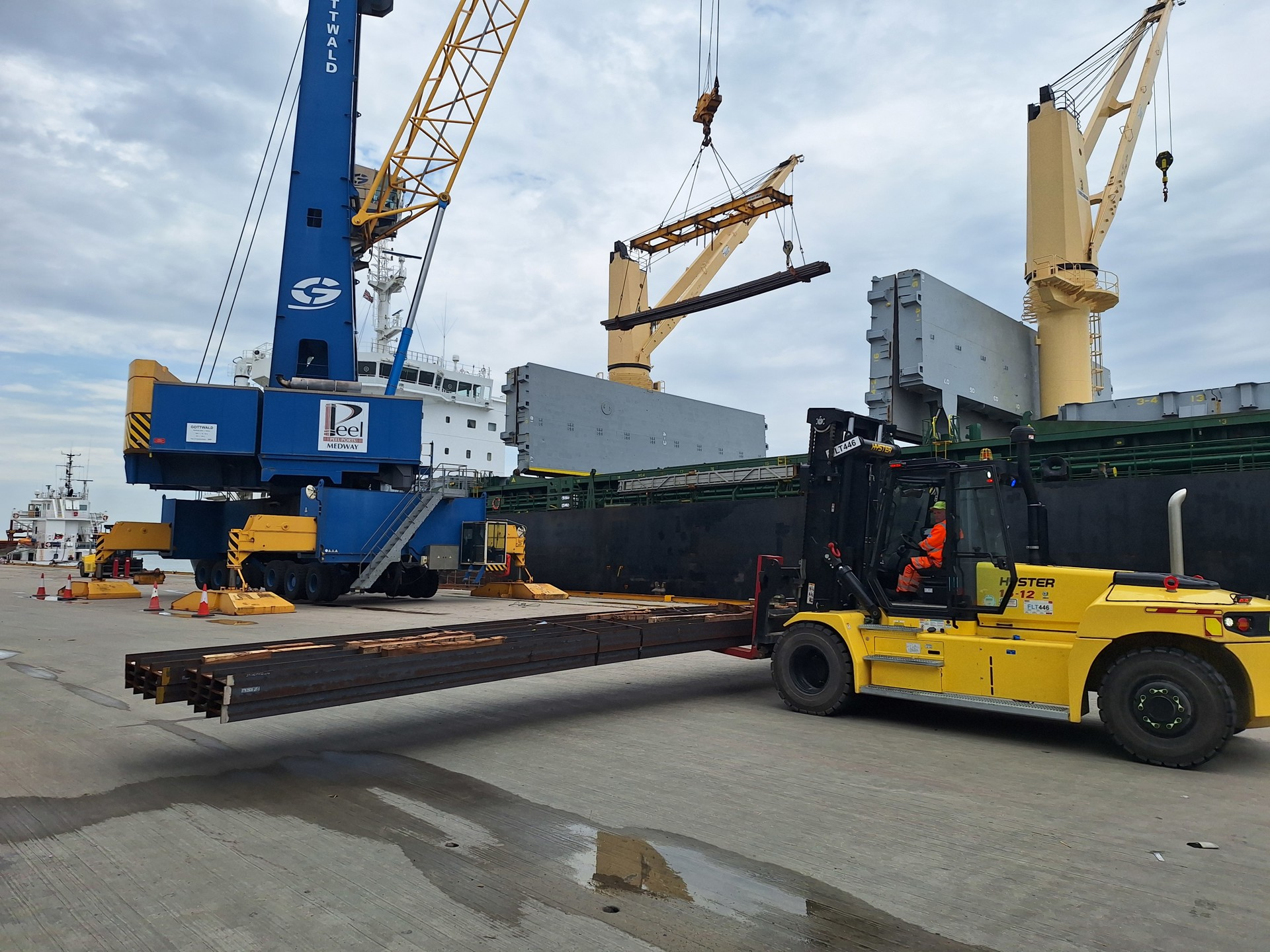
ParkerSteel, based in Canterbury, has already discharged its first three vessels through the Kent port. Peel Ports developed the operation after the steel stockholder and processor sought a gateway able to accept larger ships, provide storage inside the port estate, and support direct deliveries to customers.
ParkerSteel supplies steel products and processing services into construction, manufacturing, engineering, and other industrial markets. Its logistics requirement therefore extends beyond unloading vessels: imported material has to be stored, managed by specification, and released according to customer production or project schedules.
Sheerness allows part of that inventory to remain at the gateway rather than automatically moving to another inland warehouse immediately after discharge.
Port storage separates vessel and customer schedules
Steel imports arrive according to vessel economics. Customers rarely consume material on the same schedule, particularly where different grades, sections, dimensions, and processing requirements are involved.
Port-side stockholding provides a buffer between those two operating cycles. Larger cargo parcels can be discharged when the ship arrives, while individual deliveries move onwards as customer demand requires them.
That reduces the need to transfer every tonne immediately to a separate storage site before it can be allocated to an order. It also allows material suitable for direct delivery to leave the port without an unnecessary intermediate leg.
The approach is particularly relevant for heavy steel products because handling costs are influenced by each additional lift and road movement. Material may require cranes, forklifts, specialist attachments, suitable yard areas, and vehicles capable of carrying heavy or long loads.
A port already configured for steel handling can therefore perform a larger share of the logistics process than a gateway designed solely to move cargo rapidly off the quay.
ParkerSteel specifically wanted proximity to Canterbury as well as the ability to accept larger vessels. That combination makes the geography more useful than simply selecting the port with the shortest sailing distance or lowest headline handling rate.
A more distant gateway can create additional inland mileage that is then repeated across every delivery. Using Sheerness places imported stock within the same broad region as ParkerSteel’s established operations and many of the customers it serves.
Port-centric inventory has to earn its keep
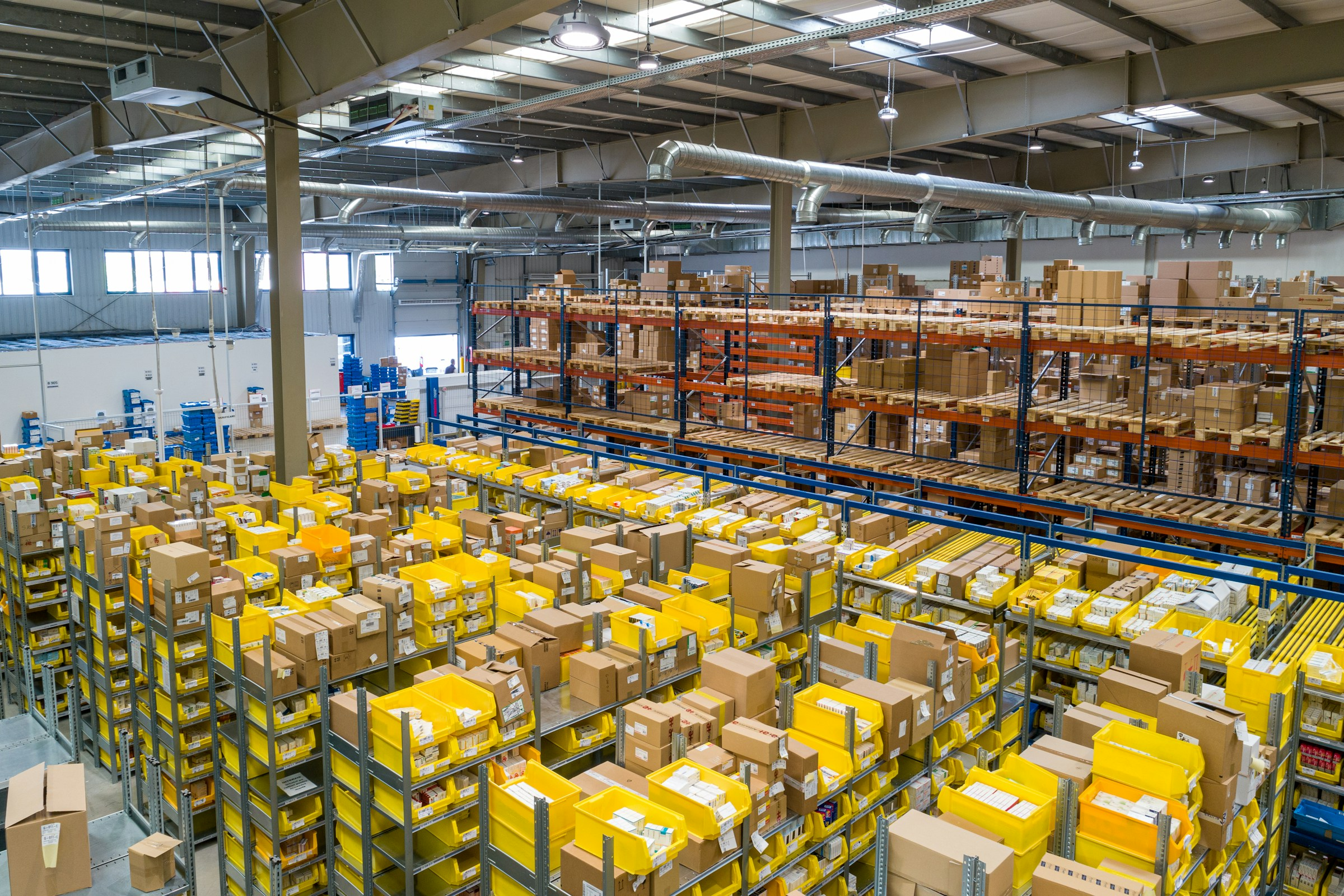
Storing cargo at a port is not automatically cheaper than using an inland warehouse. Port land, specialist handling, stock-management processes, and vehicle access all carry costs, while inventory still needs accurate control if customers are to receive the correct steel product at the required time.
The commercial case therefore depends on avoiding enough additional transport and handling to offset those costs. Direct deliveries from the port are particularly useful where material can move from vessel-side inventory to the customer without visiting another ParkerSteel facility first.
The model can also provide additional stockholding capacity when the company’s existing sites are constrained. Imported parcels do not have to be forced through an inland warehouse simply because that has historically been the next stage in the chain.
For manufacturing and engineering customers, predictable availability matters because steel is often an upstream input to a wider production sequence. A late load can delay cutting, fabrication, machining, assembly, or site installation further downstream.
The first three vessel calls demonstrate that the route is operational, although ParkerSteel has acknowledged that the launch involved a learning curve. No annual tonnage, call frequency, contract value, or quantified logistics saving has been disclosed.
Those missing figures make it premature to claim a major cost or emissions reduction. The physical change is nevertheless clear: vessel handling, storage, and customer distribution are now being combined at Sheerness rather than treated as three automatically separate stages.
The arrangement also gives Peel Ports a stronger role in ParkerSteel’s supply chain. Its value will depend on stock accuracy, discharge performance, storage availability, vehicle turnaround, and the ability to release material when customer schedules change.
Port-centric logistics is frequently presented as an obvious efficiency, but steel is a useful test because the cargo is heavy, awkward, and expensive to move unnecessarily. If Sheerness consistently allows ParkerSteel to remove an intermediate transport leg, the benefit will be found in fewer touches and shorter inland journeys rather than in another fashionable label for a warehouse beside the water.