IN Brief:
- JNPA dispatched its first long-haul double-stack DFC rake on 21 August carrying 360 TEU of imported cargo.
- Western DFC infrastructure allows higher-capacity container trains to move away from the port in fewer rail workings.
- Repeated services could reduce import dwell and improve inland transit reliability if terminal and receiving capacity keeps pace.
India’s largest container port has started long-haul double-stack operations on the Dedicated Freight Corridor, dispatching 360 TEU of imported cargo in a single rail working as it increases inland evacuation capacity.
Jawaharlal Nehru Port Authority said the inaugural rake departed at 19:00 on 21 August, bound for CGMV with containers discharged through Bharat Mumbai Container Terminals, operated by PSA. The movement is JNPA’s first long-haul double-stack working on DFC infrastructure.
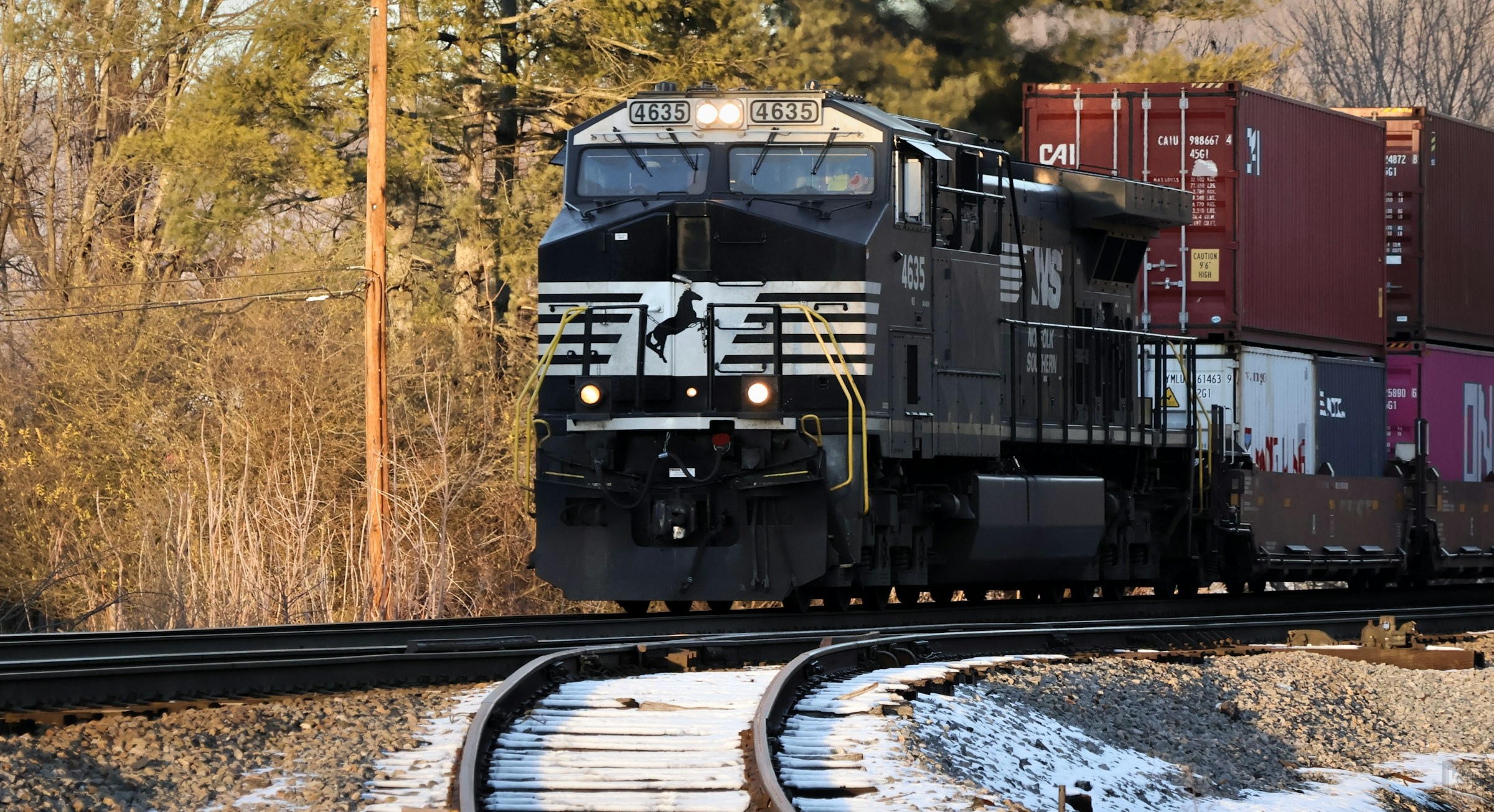
The operating principle is straightforward. Double-stack trains use the additional vertical clearance available on the Western Dedicated Freight Corridor to carry two containers on suitable wagons, increasing the number of boxes moved without requiring a corresponding increase in train paths.
Long-haul formations add further capacity by running larger freight consists on infrastructure designed around heavy cargo rather than fitting container services between passenger trains on conventional lines. JNPA’s first movement carried 360 TEU, giving the port a sizeable single departure for clearing import cargo from terminal yards.
That landside capacity is increasingly important at a gateway handling around half of the containerised cargo passing through India’s major ports. Berth productivity can discharge a vessel quickly, but the benefit is eroded if containers remain in the terminal waiting for rail or road evacuation.
Higher-capacity departures create larger releases of yard space and reduce the number of individual train workings required to move a given volume inland. JNPA expects the service to reduce import dwell time and shorten transit to inland destinations as the operating pattern becomes established.
The development follows an earlier double-stack movement between Nhava Sheva and Dadri. A July operation through the Dedicated Freight Corridor handled 270 TEU, demonstrating the capacity available when port terminals and inland facilities are configured for double-stack container trains.
The 360-TEU JNPA working takes that model further, but train size is only one part of the logistics equation. Locomotives, wagons, rail paths, terminal cranes, customs clearance, inland depots, and final-mile road capacity all have to absorb the same traffic if additional rail throughput is to reduce total transit time.
A large train arriving at a constrained inland terminal simply relocates the queue. Reliable performance therefore depends on synchronising port dispatch with receiving-terminal capacity and ensuring importers collect containers quickly after they reach their inland destination.
The Western DFC provides a stronger infrastructure base for doing that. The approximately 1,500km corridor links Dadri with the Jawaharlal Nehru Port area and has been built to support heavier freight, higher average speeds, and double-stack container operations.
Both the Eastern and Western Dedicated Freight Corridors are now commissioned, and Indian Railways says more than 443 trains operate on the DFC system on an average day. Diverting those services onto dedicated infrastructure also releases paths on the conventional network for other freight and passenger traffic.
For importers, consistency is often more valuable than headline transit speed. Production and inventory planners need to know when a container will arrive at an inland depot so that factory intake, warehouse labour, storage capacity, and onward transport can be scheduled around it.
A repeatable 360-TEU rail service can give shippers a larger block of predictable capacity between port and hinterland. That reduces dependence on truck availability for the trunk movement and can limit exposure to road congestion and fuel-price fluctuations, although trucks remain essential for local collection and delivery.
The economics improve as utilisation rises. High-capacity rail performs best where cargo volumes are dense enough to fill regular departures and where inland terminals can consolidate demand from several importers rather than relying on isolated shipments.
JNPA’s wider expansion plans make that requirement more pressing. India’s west-coast port system is adding maritime capacity, including development around Vadhvan, and larger quayside facilities will need corresponding rail and road investment if increased vessel capacity is not to create congestion on land.
The first 360-TEU departure establishes that the port and corridor can handle the operating format. The more useful measure will emerge over subsequent months — whether trains of this scale run frequently enough to change dwell times and whether inland terminals can clear the additional cargo as quickly as JNPA sends it out.