IN Brief:
- Lufthansa Cargo has agreed to acquire 100% of LUG aircargo handling from Dettmer Group.
- LUG contributes around 50,000 sq m of covered warehouse space and approximately 400 employees in Germany.
- The acquisition would supplement Lufthansa Cargo's €600m LCCevo infrastructure modernisation programme.
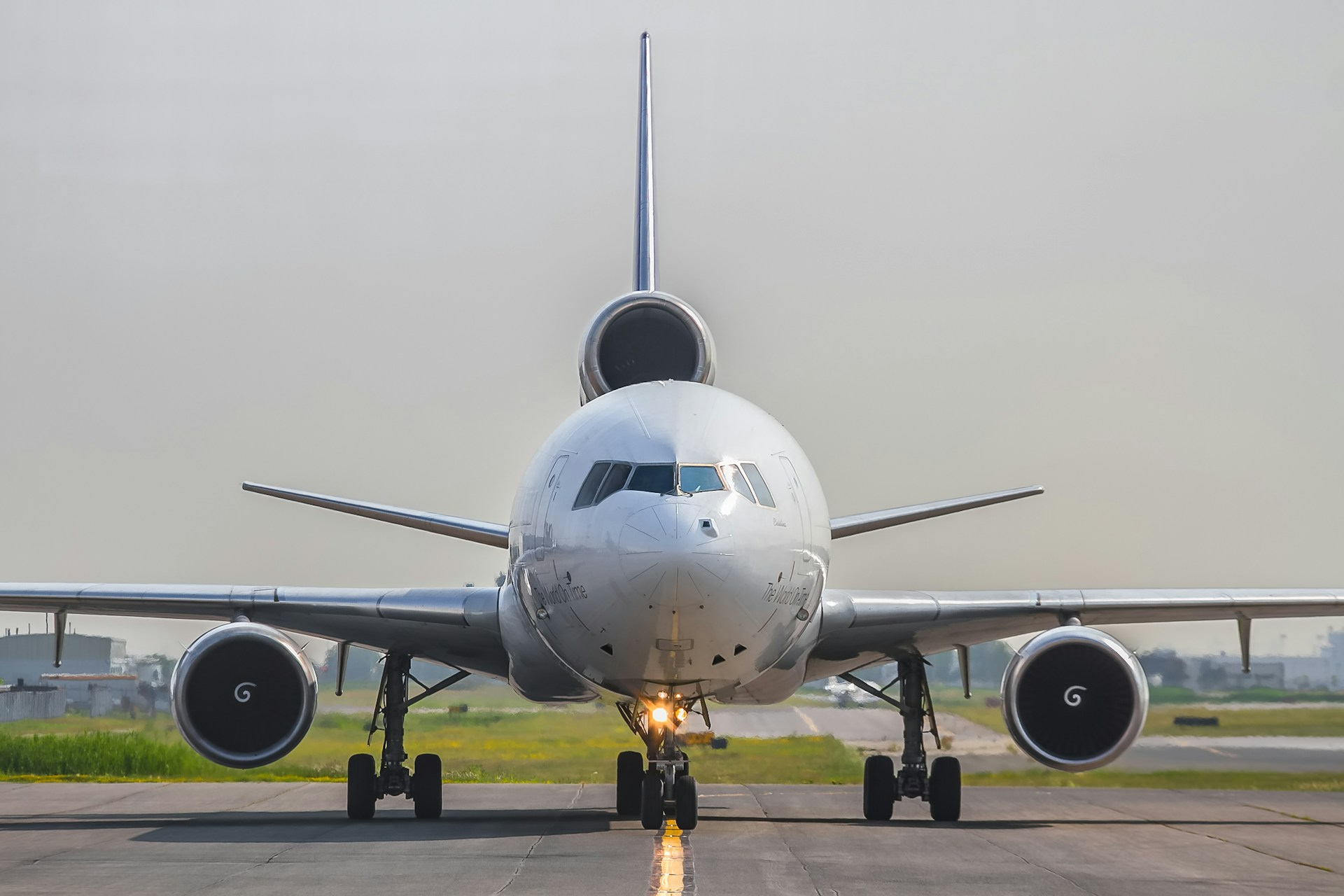
Lufthansa Cargo has agreed to acquire 100% of LUG aircargo handling GmbH from Dettmer Group, adding established German freight-handling capacity as the carrier continues a wider modernisation of its home-market cargo infrastructure.
The agreement was signed on 7 September and remains subject to antitrust and other regulatory approvals. LUG is expected to continue operating independently after completion, retaining its existing structures, customer relationships, and role as a third-party handler rather than being absorbed directly into Lufthansa Cargo’s own ground operation.
LUG employs approximately 400 people and operates around 50,000 sq m of covered warehouse space in Germany, together with a further 18,000 sq m of office and supporting infrastructure. The company has more than six decades of air cargo handling experience and provides services to a range of international airlines.
The acquisition therefore gives Lufthansa Cargo access to working infrastructure, trained labour, established handling processes, and existing customer relationships without waiting for a new facility to pass through design, permitting, construction, commissioning, and recruitment.
Capacity acquisition complements terminal modernisation
Lufthansa Cargo is already investing around €600m in LCCevo, the long-term redevelopment of its cargo handling infrastructure at Frankfurt. That programme is intended to modernise core systems and increase efficiency at the carrier’s principal German hub while existing facilities continue processing live freight volumes.
Large terminal upgrades create an unavoidable operating constraint: current cargo still has to move while buildings, equipment, and processes are being replaced or reconfigured. Buying an established handler adds capacity through a different route and could provide more flexibility while the Frankfurt programme progresses.
Lufthansa Cargo currently operates through five European cargo hubs — Frankfurt, Munich, Brussels, Vienna, and Rome — and sells capacity across its dedicated freighter operation and the passenger networks of Lufthansa Group airlines. The wider network reaches more than 350 destinations in around 100 countries.
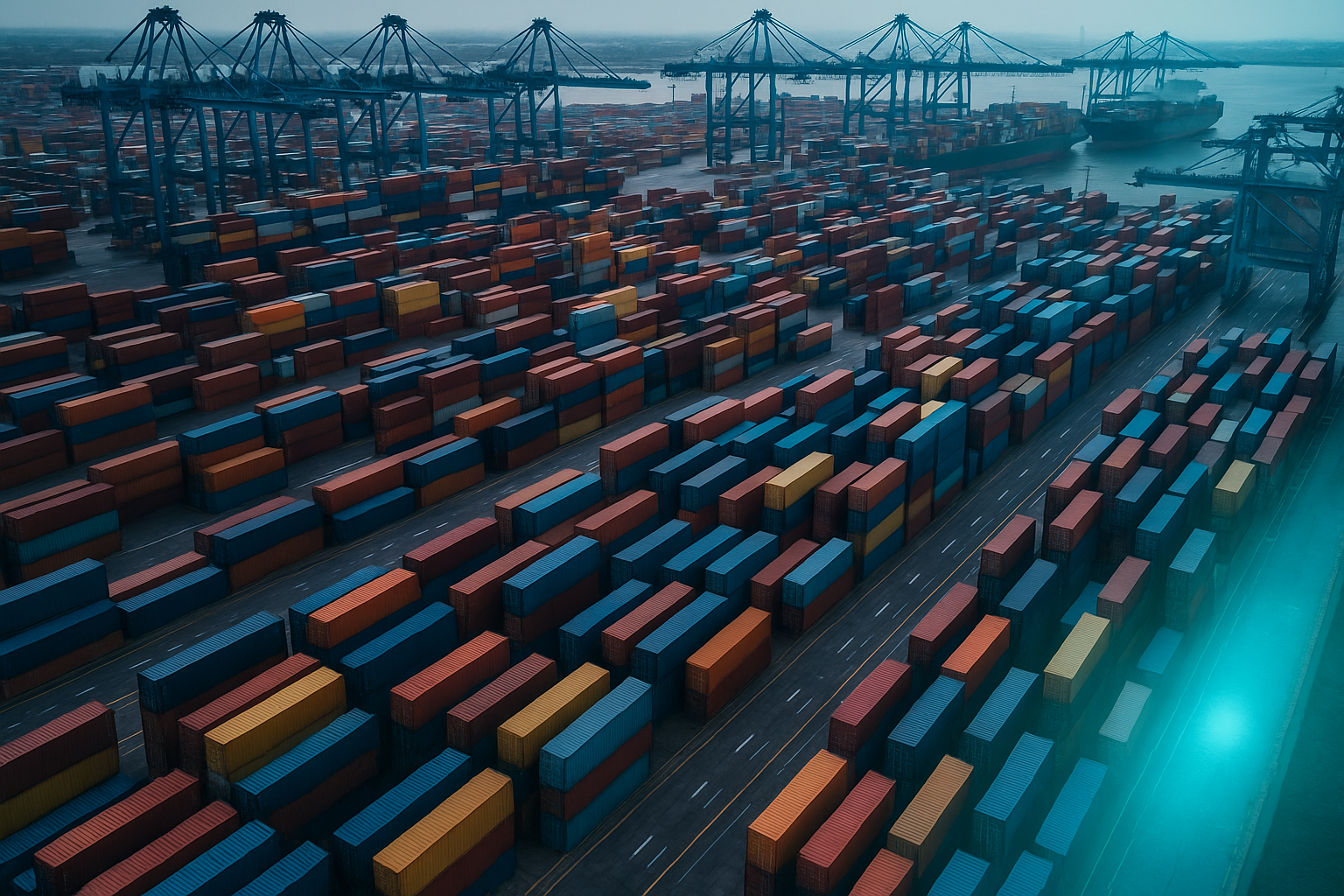
Aircraft schedules are only one part of that system. Freight also has to pass through secure warehouses, customs processes, screening, ramps, road feeder connections, and specialised handling areas before it can join or leave a flight. Additional air capacity produces little benefit when the ground operation becomes the limiting stage.
LUG’s existing footprint gives Lufthansa Cargo another pool of handling capability without relying solely on its own terminals. That could be particularly useful during seasonal peaks, disruption, or periods when redevelopment temporarily constrains parts of the Frankfurt operation.
Keeping LUG commercially independent will also be important because the company handles cargo for airlines beyond Lufthansa Group. Those customers will need confidence that their freight, operational data, service priorities, and commercially sensitive information continue to be managed on neutral terms after the ownership change.
Ground infrastructure becomes part of resilience planning
Airlines can alter schedules, lease additional aircraft, purchase charter capacity, or increase road feeder services relatively quickly when conditions change. Cargo handling infrastructure is less flexible because suitable facilities require secure access, customs capability, specialist equipment, trained labour, screening processes, and sufficient space to absorb irregular traffic.
Owning additional handling capacity therefore provides a different form of resilience from adding aircraft. It creates more room to absorb diverted freight, operational peaks, or network changes when existing terminals are constrained, while LUG’s third-party activity can continue supporting utilisation outside Lufthansa Cargo’s own flows.
The economics will depend on how consistently that capacity is used. Warehouse and staffing costs continue regardless of freight volume, and air cargo demand remains exposed to manufacturing cycles, inventory changes, e-commerce flows, geopolitical disruption, and shifts between air and ocean transport.
Lufthansa Cargo reported revenue of €3.40bn in 2025 and freight performance of 9.10bn freight tonne-kilometres, giving the business substantial scale. The LUG acquisition still has to demonstrate that additional ground capacity improves throughput and operational flexibility without creating unnecessary duplication across the German network.
The independent operating structure provides one way to balance those requirements. LUG can continue generating third-party revenue while its parent gains a larger infrastructure base and another route for managing cargo when demand or redevelopment work places pressure on existing Lufthansa facilities.
Integration will also determine whether the acquisition delivers more than additional floor space. Warehouse systems, security processes, ground equipment, labour planning, customer interfaces, and road feeder operations will need to work alongside Lufthansa Cargo’s wider network without disrupting LUG’s existing airline customers.
Regulatory approval is now the immediate milestone. If the transaction completes, the more useful measure will be how the acquired capacity supports the €600m Frankfurt redevelopment and whether LUG can retain its neutral third-party role while operating within a carrier-owned group. In air cargo, additional aircraft are visible; the warehouse capacity required to process them is usually noticed only when it runs short.