IN Brief:
- The first Delhi–Nhava Sheva train carried 90 TEU of rice for Emirates Line.
- The service links J M Baxi's Sonepat inland terminal with India's principal west-coast container gateway.
- Regular operation would turn Dedicated Freight Corridor capacity into a scheduled export logistics service.
J M Baxi has launched a rail service between its Delhi Inland Container Terminal at Sonepat and Nhava Sheva, using India’s Dedicated Freight Corridor to connect the National Capital Region with the country’s principal west-coast container gateway.
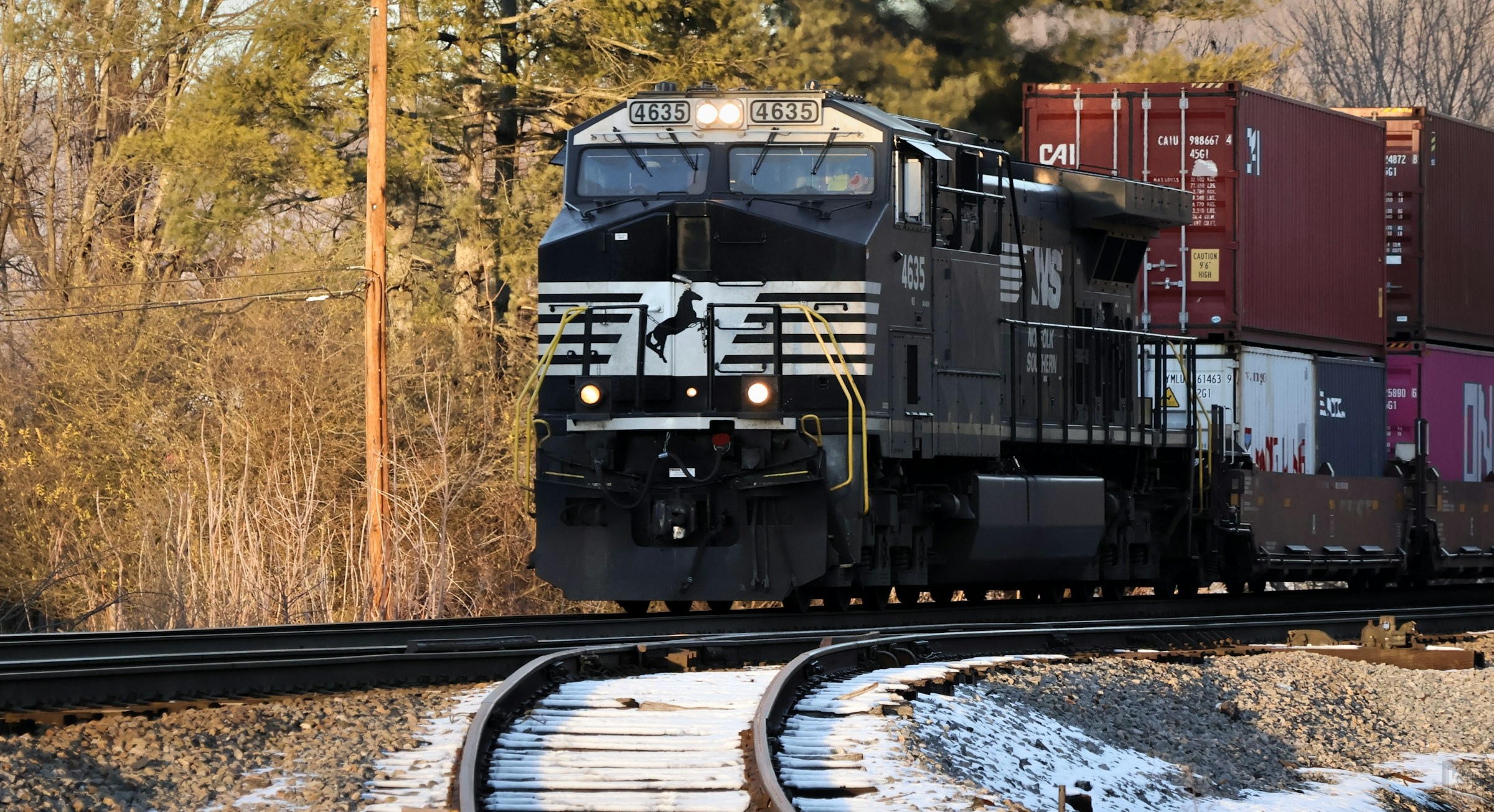
The inaugural movement carried 90 TEU of rice for Emirates Line, with cargo moved for CAG Shipping. J M Baxi intends to develop the service into a regular connection for northern Indian exporters, combining inland terminal handling with a block-train movement to the coast.
The first train is small beside the volumes handled through India’s container ports, but the operating model is more significant than the inaugural load. The service links an inland customs and logistics terminal directly with dedicated freight infrastructure and an ocean gateway around a defined export flow rather than using the corridor simply as line-haul capacity between disconnected facilities.
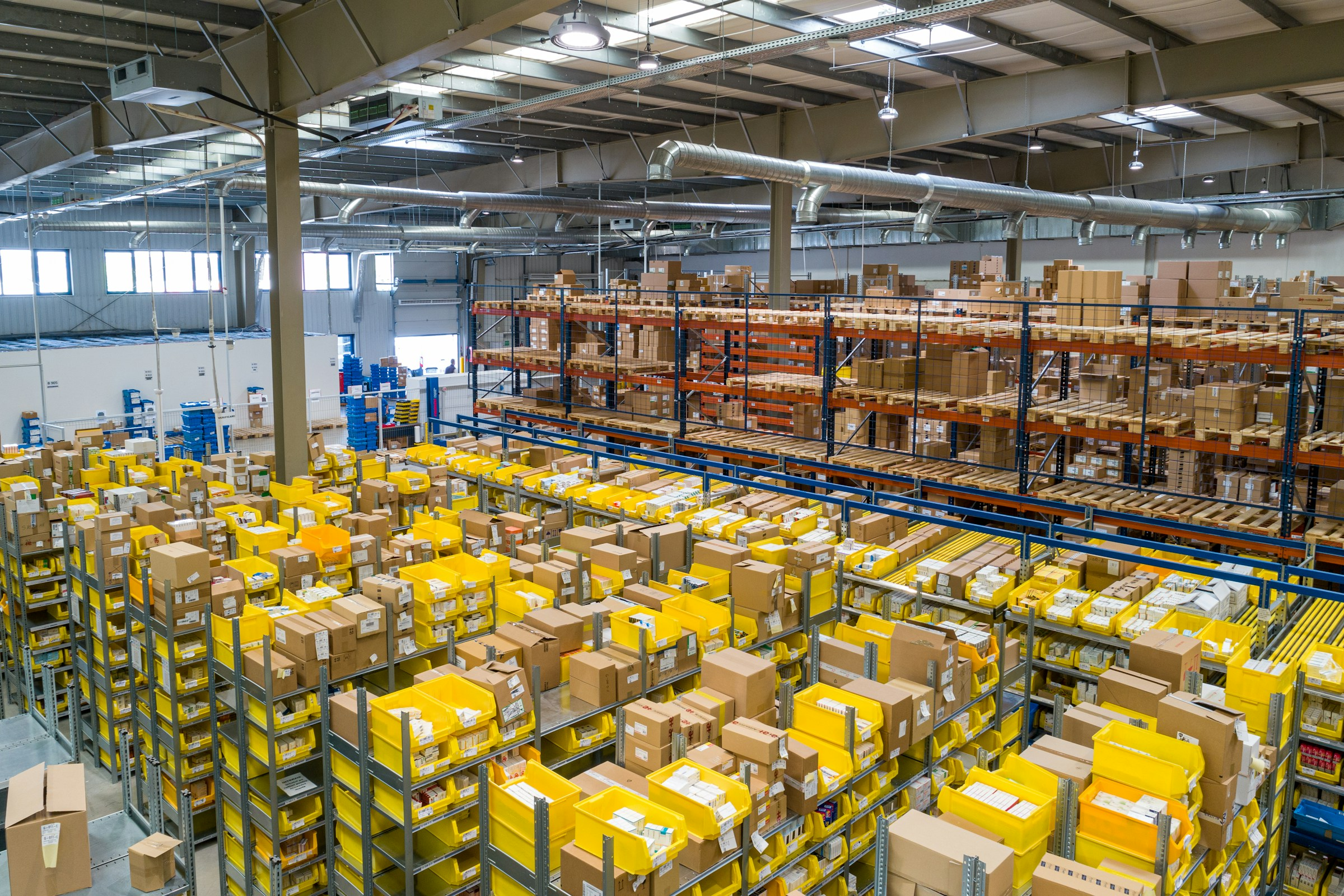
Delhi Inland Container Terminal sits at Sonepat, off NH-1, and combines customs processing with rail, yard, warehousing, and cold chain infrastructure. J M Baxi lists two railway lines, a 28,895 sq m rail yard, 96 reefer plug points, bonded warehousing, and a large EXIM yard at the site, allowing export cargo to be assembled and cleared before departure.
Dedicated freight capacity reaches the port
The route uses the Western Dedicated Freight Corridor, which links the Delhi region with Jawaharlal Nehru Port and Nhava Sheva. The corridor separates long-distance freight from mixed passenger traffic, creating dedicated paths for heavier and more predictable rail services between inland industrial areas and western ports.
The launch coincides with completion of the remaining sections of the Western Dedicated Freight Corridor. The final 326 route kilometres were inaugurated on 8 September, extending direct dedicated-freight connectivity to JNPT and completing the wider network between the northern freight centres and the west coast.
Current operating figures around the completed corridor indicate that average Dadri-JNPT transit time has fallen from roughly 66 hours to about 58 hours. Journey time alone will not determine whether the new service becomes commercially useful, however, because terminal handover, train formation, port arrival, and vessel cut-off performance all affect the reliability exporters actually experience.
Regular rail also changes the planning equation for inland shippers. A scheduled departure can reduce dependence on long-haul trucking for the main port leg and give freight forwarders a clearer consolidation point, but only if the train runs often enough to match vessel schedules and cargo is available in sufficient volume to support the service.
J M Baxi already operates private rail services linking hinterland locations with gateway ports and says its rail division owns and runs 30 rakes. Its wider network includes JNPT, Pipavav, Mundra, Chennai, Vizag, and Kochi, providing an established operating base for a Delhi-Nhava Sheva product rather than a stand-alone demonstration movement.
Regularity will determine the commercial value
The inaugural rice cargo offers a useful test because agricultural exports are often assembled from inland production and trading areas before being moved to port in concentrated batches. A block train can consolidate those movements, reduce the number of separate long-distance truck legs, and give shipping lines a more predictable arrival pattern at the gateway.
Rail still has to compete with road on flexibility. Trucks can leave with smaller consignments and adjust departure times more easily, while trains require aggregation, terminal slots, locomotive and rake availability, and coordination with port operations. The rail service becomes more attractive when the timetable is reliable enough that shippers can plan around it rather than treating it as an occasional project movement.
Train utilisation will also shape the economics. Dedicated freight capacity is most efficient when operators can assemble predictable export blocks and develop return flows, avoiding long-distance movement of under-used equipment. That makes shipper aggregation, equipment positioning, and coordination with liner schedules central to sustaining regular frequency.
Nhava Sheva provides access to India’s largest container port complex and extensive international liner networks. Connecting the northern hinterland more directly to that gateway can reduce the number of separate interfaces in an export move, particularly where the inland terminal can combine customs work, container handling, warehousing, and rail dispatch under one operating structure.
The infrastructure investment is now largely in place; utilisation becomes the next measure. If the Delhi-Nhava Sheva service develops from an inaugural 90-TEU train into a dependable schedule, the corridor will be doing what dedicated freight infrastructure was built to do — convert faster mainline paths into repeatable logistics products that exporters can plan around.