IN Brief:
- Universities Superannuation Scheme has agreed to acquire all shares in VTG Rail UK from VTG GmbH.
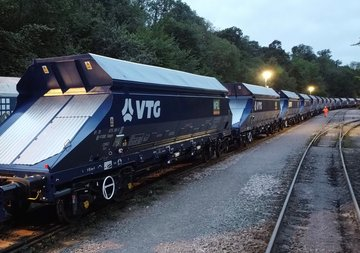
- VTG Rail UK operates approximately 4,500 freight wagons supporting supply chains across several British industrial sectors.
- Completion is expected during Q4 2026, with Marc Hurn remaining chief executive and further fleet investment planned.
VTG Rail UK is set to move into the ownership of Universities Superannuation Scheme after parent VTG GmbH signed a definitive agreement to sell all shares in the British freight-wagon leasing business. The transaction is expected to complete during the fourth quarter of 2026 and does not require regulatory approval.
The company operates a fleet of approximately 4,500 rail freight wagons serving customers across several sectors of the British economy. Marc Hurn is expected to remain chief executive after completion, while VTG Rail UK will continue operating as part of the wider VTG Group until the sale closes.
USS, one of the UK’s largest pension schemes, reported assets of around £84 billion at 31 March 2026. VTG says the new owner intends to continue investment in the UK fleet while maintaining the company’s existing operating structure and customer base.
The transaction separates a substantial British rolling-stock platform from VTG’s wider European activities without combining it with another disclosed freight-wagon lessor. VTG began assessing strategic options for the UK business earlier this year before agreeing the sale following a competitive process. The purchase price has not been disclosed.
For rail freight operators and cargo owners, wagon availability sits underneath a significant share of industrial rail movements. Traction may be provided by a freight operating company, while the wagons carrying aggregates, cement, chemicals, petroleum products, steel, construction materials, and other cargoes can be leased from specialist asset owners under contracts running over several years.
That makes fleet condition and renewal part of supply-chain capacity. A wagon unavailable for maintenance cannot earn a return for its owner or move a customer’s freight, while ageing equipment can require more intensive repair programmes even when the underlying vehicle remains capable of decades of further service. Lessors therefore have to balance new-build investment with refurbishment, component replacement, and technology upgrades across existing fleets.
VTG Rail UK has expanded significantly since its formation following VTG’s acquisition of the former Brambles European Rail Division in 2002. More recently, it has been investing in new wagons and digital equipment, including condition-monitoring technology intended to provide more information on wheel, brake, and asset performance.
Digital monitoring changes the maintenance proposition gradually rather than replacing conventional inspection. Data from wagons can help identify developing faults or unusual operating conditions, but workshops, spare parts, engineering staff, and planned maintenance windows remain necessary. The commercial value comes from using information to intervene at a more useful point in the asset cycle and reduce avoidable downtime.
The ownership change comes as UK rail freight operators continue to work within a network where rolling stock is only one part of available capacity. Train paths, terminals, loading equipment, locomotive availability, driver resources, and customer volumes determine whether additional wagons translate into additional traffic. A larger fleet cannot solve a constrained terminal or unavailable path, although insufficient wagon capacity can become a constraint when the rest of the network is ready to move freight.
Fleet specification is also becoming more important as customers and operators demand higher payloads, better asset information, and equipment suited to changing cargo flows. Some wagon types can be redeployed relatively easily between customers, while specialist tanks, hoppers, or powder wagons are tied more closely to particular commodities and loading systems. That leaves lessors managing both the physical age of an asset and the risk that its specification becomes less useful before the vehicle itself reaches the end of its engineering life.
USS is approaching the acquisition as a long-term infrastructure investment rather than an industrial combination. That ownership model can suit assets with long service lives and recurring lease income, although the eventual level of capital expenditure will determine how much the change affects the fleet itself.
VTG has indicated that investment will continue, while the existing management team remains in place. Those two points reduce the likelihood of an immediate operational break for customers, but the more meaningful evidence will come after completion through new-build orders, refurbishment programmes, digital upgrades, and contract renewals.
The sale is due to complete in the fourth quarter. Until then, VTG Rail UK remains within the VTG Group and its day-to-day operating structure is unchanged. Once USS takes ownership, the scale and direction of fleet investment will show whether the transaction alters the rate at which the approximately 4,500-wagon portfolio is renewed and upgraded for the next phase of British rail freight demand.