IN Brief:
- Ningbo-Zhoushan Port is targeted to exceed 50 million TEU annually by 2030 while provincial logistics costs fall to 12.5% of GDP.
- Zhejiang plans more than 5,000 kilometres of railway and 1,200 kilometres of waterways capable of handling 1,000-tonne vessels.
- New-energy heavy-truck penetration exceeded 40% in the first half of 2026 as the province expands multimodal freight capacity.
Zhejiang provincial authorities have set a 2030 transport plan combining port growth, rail and inland waterway expansion, lower logistics costs, and greater use of new-energy heavy trucks across the province’s freight network.
The 2026–30 integrated transport plan targets more than 50 million TEU of annual container throughput at Ningbo-Zhoushan Port by the end of the period. It also aims to reduce total logistics costs as a share of provincial GDP from 13.32% to 12.5%, shifting the emphasis from adding infrastructure alone towards measuring whether the wider freight system becomes cheaper to use.
Rail and inland waterways form a substantial part of the programme. Zhejiang expects its railway network to exceed 5,000 kilometres and serve more than 95% of permanent residents, while inland waterways capable of accommodating 1,000-tonne vessels are due to double to 1,200 kilometres. The Ningbo-Zhoushan Railway is expected to open during the plan period, giving Zhoushan its first high-speed rail connection, while preparatory work on the Shanghai-Ningbo cross-sea corridor will accelerate.
Not every element is freight specific, but the network is being planned as a connected system rather than a series of isolated modes. Faster rail links, larger inland waterway capacity, port expansion, and highway access all affect how factories reach export gateways and how imported materials move inland. Logistics operators gain more routing options when those links reduce transfer time and provide alternatives during disruption.
The plan also puts road freight electrification alongside physical network expansion. New-energy heavy-truck penetration in Zhejiang exceeded 40% during the first half of 2026. At that level, charging, swapping, fleet scheduling, and power availability become practical network issues, especially around ports, industrial zones, and high-volume trunk routes.
International links are developing at the same time. The China-Europe Arctic Express has entered regular operation, with Zhejiang reporting one-way journeys of about 20 days and a sailing distance cut by nearly half compared with longer conventional routings. The province has also opened its first off-airport cargo terminal in Hangzhou, allowing cross-border cargo to undergo a single inspection recognised at the airport before transfer.
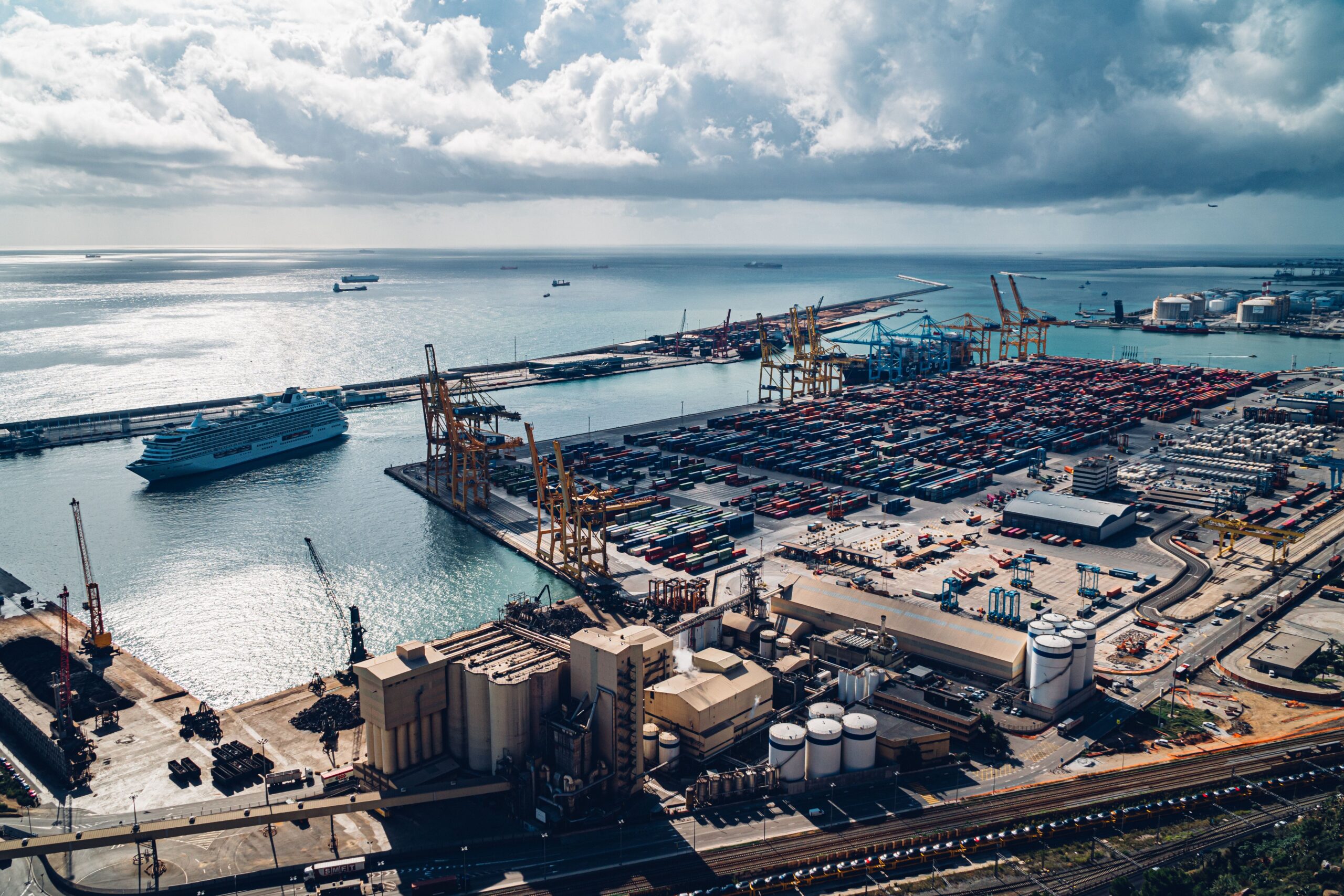
Ningbo-Zhoushan already has substantial volume against which the 2030 target can be measured. The port handled 22.90 million TEU in the first half of 2026 and has recently been setting new daily sea-rail container records, including more than 8,000 TEU on consecutive days in August. Moving beyond 50 million TEU annually will depend as much on hinterland evacuation as on berth and yard capacity.
The logistics-cost target provides a broader measure than throughput alone. Cargo volume can rise while supply-chain performance deteriorates if trucks wait longer, containers spend more time in yards, or shippers have to hold additional buffer inventory. Reducing logistics costs from 13.32% to 12.5% of GDP creates an outcome measure, although the provincial summary does not specify how much of the reduction is expected from transport productivity, warehousing, inventory, digital processes, or other supply-chain changes.
Zhejiang combines large production centres with a high-volume port system, so relatively small changes in transfer time, modal share, or inventory dwell can affect substantial cargo flows. Bottlenecks can also propagate quickly because factories, inland depots, rail services, and deep-sea terminals are tied to the same production and export cycles.
The multimodal approach provides alternatives. Inland waterways can absorb suitable bulk and container flows where geography allows, rail can move consolidated cargo over longer distances, and road retains flexibility for first- and last-mile movements. Increasing capacity in several modes does not guarantee modal balance, but it gives shippers and operators more options when weather, congestion, equipment shortages, or international disruption affects one part of the network.
The provincial summary does not attach individual budgets or delivery dates to every freight component, and the five-year targets still have to be translated into specific projects before their capacity effect can be judged. The 50 million TEU port objective also requires supporting rail, road, waterway, and inland-terminal systems to scale at compatible rates.
By 2030, Zhejiang wants more containers through Ningbo-Zhoushan, more usable rail and waterway capacity, lower economy-wide logistics costs, and a larger share of new-energy road freight. The useful test will be whether those measures move together; additional port volume is considerably less valuable if the cost and time of moving cargo beyond the gate rise with it.