IN Brief:
- DHL's battery logistics network connects more than 20 specialist sites worldwide and is continuing to expand.
- Halle provides 13,000 square metres of battery-ready warehousing, while another specialist Hungarian facility is planned for 2027.
- DHL moved more than 1,100 BESS units during the first half of 2026 and targets €3 billion of New Energy business by 2030.
DHL is expanding a global network of specialist battery logistics centres as electric vehicle manufacturing, energy storage deployment, and industrial electrification create more demanding transport, warehousing, compliance, and lifecycle requirements.
The network already connects more than 20 sites worldwide and combines capabilities from DHL Supply Chain, DHL Global Forwarding, and DHL Express. The centres support battery manufacturers, automotive companies, energy businesses, and industrial customers across manufacturing logistics, international transport, specialist storage, aftermarket activity, returns, and recycling preparation.
Battery logistics place unusual demands on the supply chain because the product can be high value, heavy, regulated as dangerous goods, and sensitive to condition. DHL says some battery systems now weigh more than 50 tonnes, pushing parts of the market beyond conventional parcel or pallet handling into project logistics, heavy lift, specialist warehousing, and tightly controlled documentation.
The network also extends beyond transport and storage. Dedicated facilities can provide battery diagnostics, testing, charging, conditioning, repair, reverse logistics, and preparation for recycling. Those services keep logistics operations involved after the initial inbound and distribution movements as customers recover value from returned units and meet increasingly detailed lifecycle requirements.
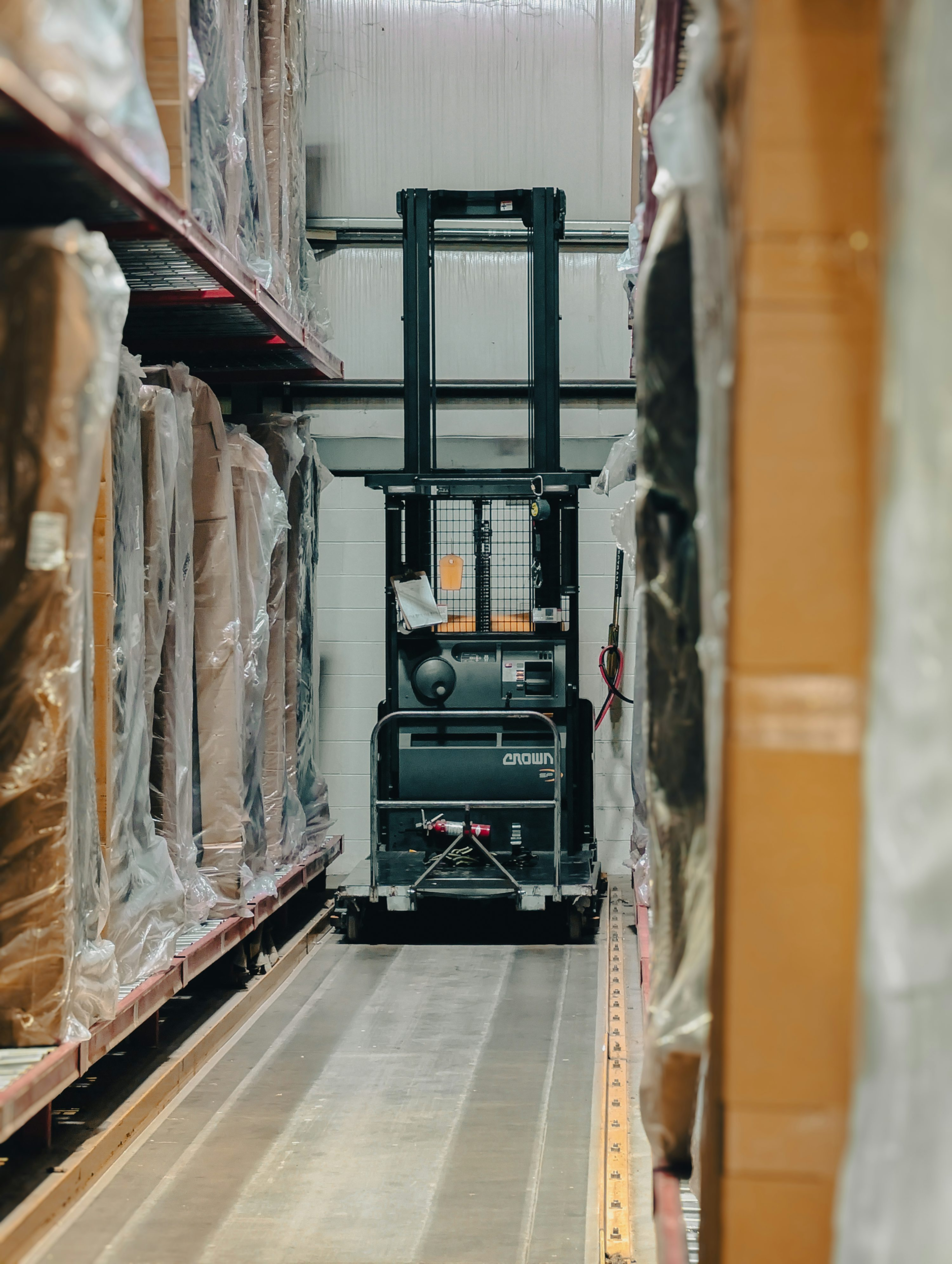
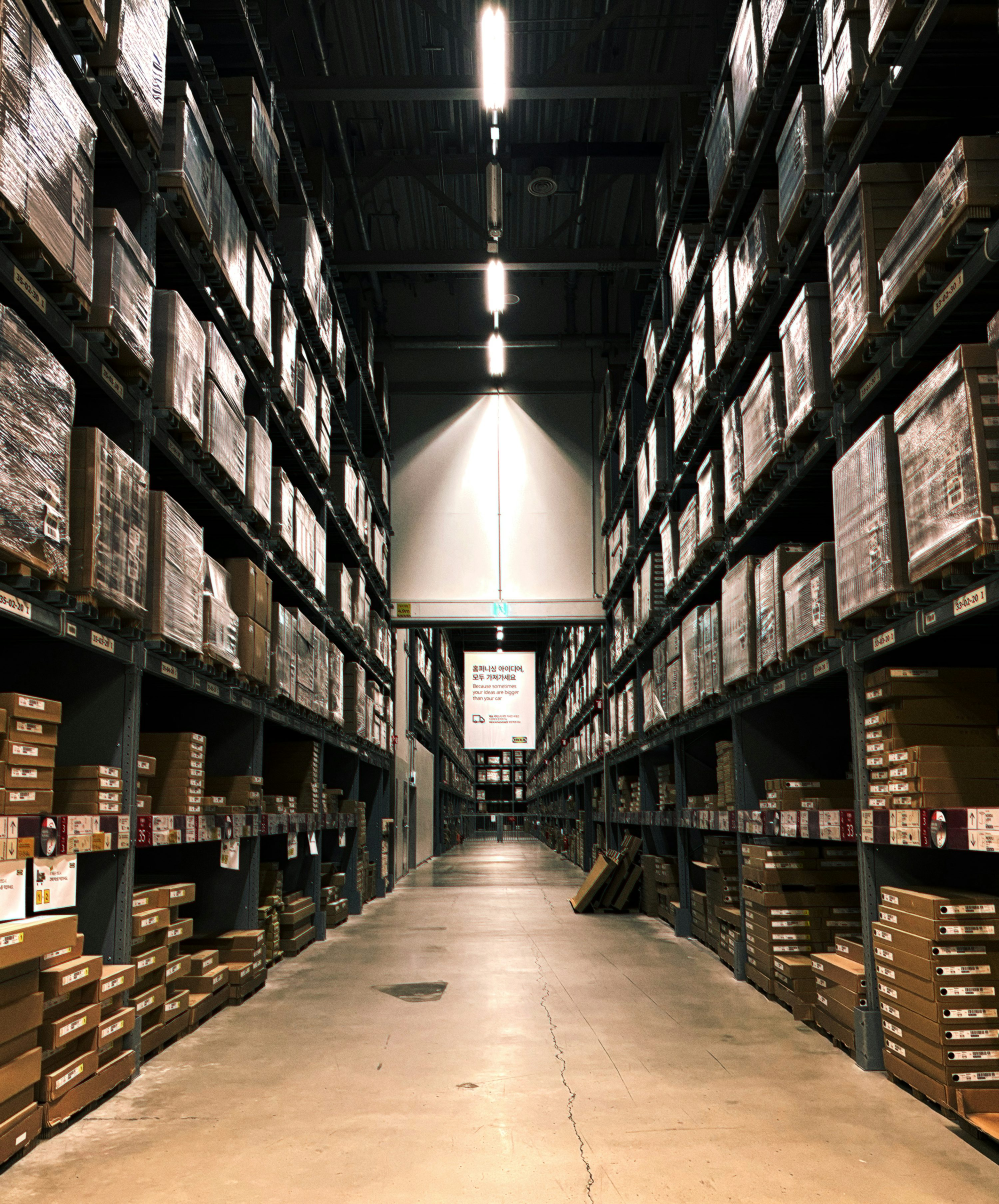
In Halle, Germany, DHL has made 13,000 square metres of battery-ready warehouse space available. A further specialist site is being prepared in Hungary and is expected to become operational in 2027. The additions place more capacity close to European automotive and battery production clusters while creating another node for cross-border movements.
The same infrastructure is being applied to stationary energy storage. During the first half of 2026, DHL delivered more than 1,100 battery energy storage system units worldwide, bringing project logistics into the same network as automotive and manufacturing flows. Utility-scale storage can involve oversized modules, site-specific delivery sequences, lifting requirements, and restricted handling conditions, placing many movements closer to industrial project cargo than standard finished-goods distribution.
Dangerous-goods classification, packaging, customs documentation, transport restrictions, state-of-charge requirements, and local storage rules can vary by product and market. A battery that is straightforward to move in one condition may require different handling when damaged, returned, or sent for repair. Compliance data therefore becomes part of the physical logistics process rather than a separate administrative layer.
DHL’s network combines those requirements across regions. Battery manufacturing remains concentrated heavily in Asia, while demand is growing across Europe, the Americas, and other markets. New gigafactories and energy projects are also changing flows of raw materials, production equipment, battery chemicals, cells, packs, and finished storage systems.
A single customer may consequently need inbound manufacturing logistics, intercontinental freight, local warehousing, final delivery, and reverse movements under one programme. Fewer handovers can simplify operating procedures and shipment data across those stages, particularly where each transfer would otherwise introduce a new set of compliance checks and liability boundaries.
DHL has designated New Energy as one of its Strategy 2030 growth sectors and is developing logistics services across wind, solar, EVs and batteries, battery energy storage systems, EV charging, grid infrastructure, hydrogen, and alternative fuels. The company is targeting €3 billion of revenue from its New Energy business by 2030, placing the battery network within a wider commercial programme.
Electrification is changing the shape of logistics demand as well as the products being moved. Battery supply chains need capacity near production, but they also require repair loops, returns, recycling preparation, and safe handling of units that retain value after their first deployment. More batteries moving into vehicles, industrial equipment, mines, and grid infrastructure will increase the volume travelling in both directions through logistics networks.
The immediate operating challenge is consistency across more than 20 specialist locations. Halle adds warehouse capacity, Hungary will extend the European footprint from 2027, and the BESS volumes show that the network is already being used beyond automotive logistics. Growth will depend on maintaining common handling, compliance, and visibility standards as battery rules and infrastructure continue to evolve by market.
A connected specialist network also gives DHL a platform for customers whose battery requirements change over time. A unit may begin as an inbound production component, later return for diagnosis or repair, and eventually move into a recycling stream. Managing those transitions without losing condition, compliance, or ownership data will become increasingly important as battery assets remain in circulation for longer.