IN Brief:
- Two Super Post-Panamax ship-to-shore cranes and two electric RTGs have arrived at the new Guaymas terminal.
- The STS cranes provide approximately 62 metres of outreach and 65 tonnes of lifting capacity under spreader.
- SSA Marine expects the multipurpose terminal to begin operations within weeks, handling containers, automobiles, and general cargo.
SSA Marine has received four container handling cranes at its new terminal in Guaymas, Mexico, moving the project towards an operating start expected within the coming weeks.
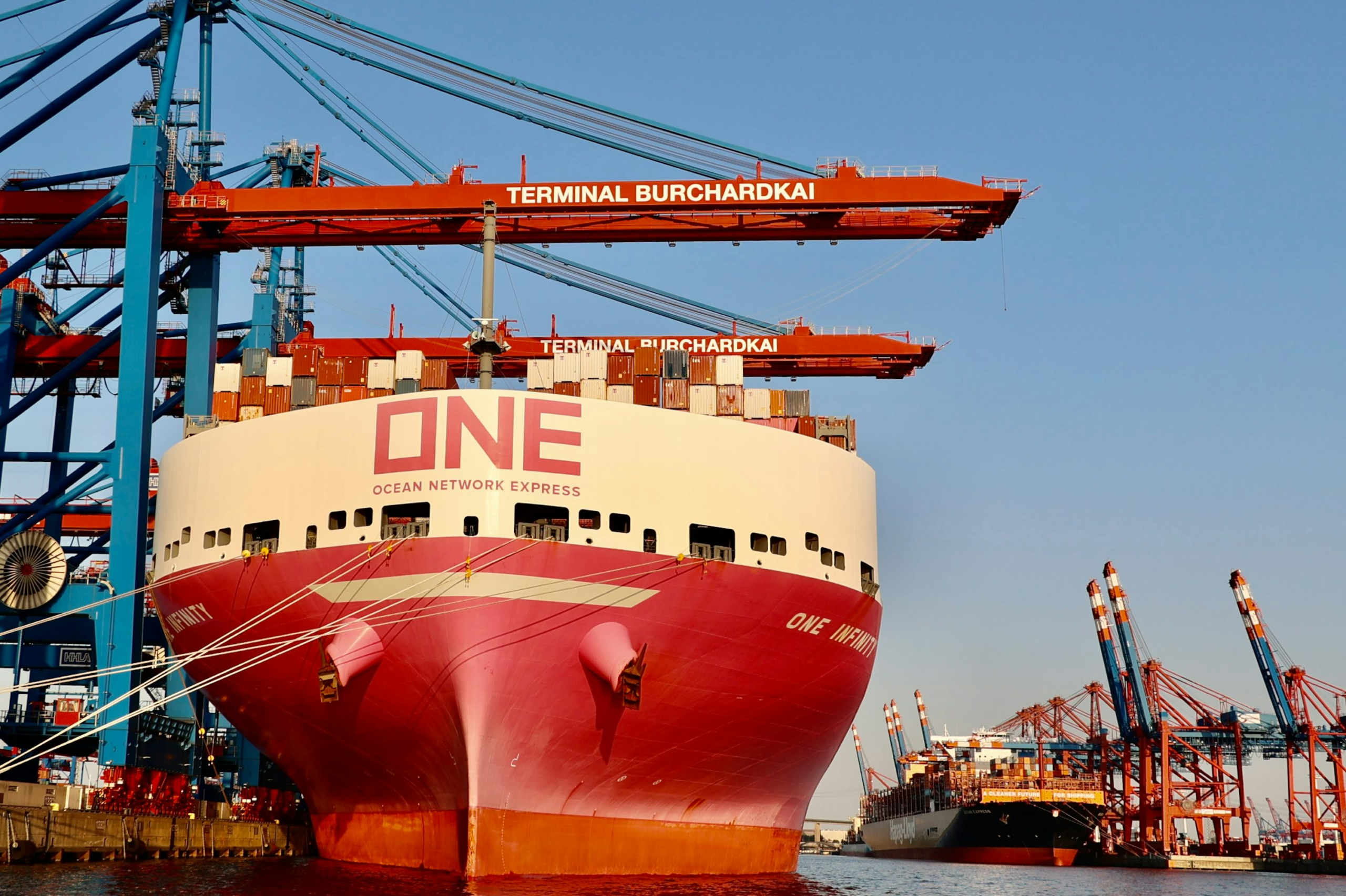
The equipment comprises two Super Post-Panamax ship-to-shore cranes and two electric rubber-tyred gantry cranes. The STS units have an outreach of about 62 metres and can lift 65 tonnes under spreader, while the electric RTGs will handle container movements and stacking in the terminal yard.
Guaymas is being developed as a multipurpose operation rather than a container-only facility. SSA Marine plans to handle containers, general cargo, and automobiles, giving the terminal several potential cargo streams as commercial operations build.
Crane arrival is one of the final major physical milestones in a terminal project. Berths, yards, and access infrastructure create the basic footprint, but ship-to-shore equipment determines the size of vessels that can be worked efficiently and how quickly boxes can move between ship and quay. Yard cranes then influence stacking density and the speed at which containers reach road or rail connections.
The Super Post-Panamax specification gives Guaymas the reach required to serve wider container vessels than older equipment could handle efficiently. Around 62 metres of outreach provides access across a substantial vessel beam, while 65 tonnes of capacity under spreader gives the cranes sufficient headroom for standard container operations and heavier lifts within the terminal’s planned cargo mix.
Electric RTGs introduce electrified yard handling from the beginning of operations. The units can reduce local diesel consumption and emissions compared with conventional diesel gantries, although their performance also depends on reliable electrical infrastructure, maintenance, and effective yard planning.
Local reporting has estimated that the first phase could lift annual container capacity from roughly 15,000 TEU to as much as 175,000 TEU once the new facilities and equipment are fully operating. The figure describes potential capacity rather than guaranteed throughput; carrier calls and customer demand will determine how much of it is used.
Guaymas sits on the Gulf of California and serves Sonora and the wider industrial economy of north-west Mexico. Manufacturing, mining, agriculture, and automotive supply chains generate a mixture of containerised and general cargo, while proximity to the US border creates opportunities for trade flows linking Mexican production with North American distribution networks.
New handling capacity alone will not establish the terminal as a regular gateway. Shipping lines need sufficient cargo to justify calls, while exporters and importers require schedules predictable enough to incorporate into inventory and production planning. The terminal will have to develop service frequency while demonstrating reliable crane productivity, yard performance, and inland connections.
A multipurpose operating model can spread that risk while container volumes develop. Automobiles and general cargo provide other revenue streams and reflect the regional cargo mix, where industrial and project movements do not always fit standard container flows.
The arrival of the cranes shifts the project into installation, testing, commissioning, and workforce preparation. Equipment controls have to interface with terminal operating systems, safety procedures need to be proven, and operators and maintenance teams must be ready before regular commercial vessel calls begin.
The electric yard equipment also makes power availability part of terminal resilience. Electrification reduces reliance on diesel but creates another critical infrastructure dependency, particularly when cranes operate at high utilisation. Backup procedures, maintenance planning, and electrical-system reliability will affect whether the environmental advantage is delivered without compromising throughput.
Guaymas will still compete with established Mexican Pacific gateways for carrier attention and inland freight. Its strongest proposition is likely to come from regional shippers that can shorten inland transport by using a closer port, provided maritime connections become frequent and dependable enough to offset the larger service networks available elsewhere.
The four cranes establish the physical capability to support that proposition. Commercial performance will be measured through vessel frequency, crane productivity, yard dwell, and the conversion of regional cargo into sustained throughput after commissioning. An opening within weeks will provide the first operational evidence of whether the terminal can turn its planned capacity into regular cargo flows.
The commissioning phase will therefore matter as much as the equipment specification. New cranes have to work as part of one terminal system, with vessel planning, yard allocation, gate operations, and inland transport aligned around the same cargo plan. Guaymas now has the hardware required for a substantial step up in handling capability; the next task is to make that capacity repeatable under commercial operating conditions.