IN Brief:
- KNAPP will provide pallet handling, high-bay storage, shuttle automation, and goods-to-person picking for the first phase.
- Automation installation is planned from 2028, with the logistics centre entering operation progressively during 2029 and 2030.
- Kesko is developing the Nurmijärvi site in phases, beginning with a foodservice warehouse already under construction.
KNAPP has been selected to automate the first phase of Kesko’s new logistics centre at Nurmijärvi, around 30 kilometres north of Helsinki, with installation due to begin in 2028 before operations start progressively during 2029 and 2030.
The system will combine automatic pallet handling, high-bay storage, shuttle-based automated storage for smaller items, and goods-to-person picking. Kesko also intends to retain manual processes where they remain appropriate, creating a mixed operating model rather than automating every movement in the facility.
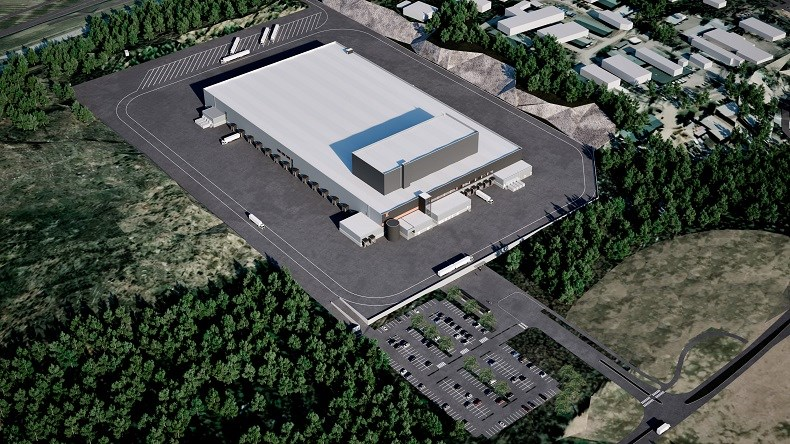
The contract forms part of a larger grocery logistics development in the Ilvesvuori business area. Construction on the first warehouse phase began in early 2026, with the initial building intended to support Kesko’s foodservice business. Other grocery logistics buildings remain subject to separate investment decisions as the wider site develops.
Kesko has put the first foodservice warehouse at about 37,000 square metres. The total development area is considerably larger, with planning permission covering a plot of more than 800,000 square metres on which up to 360,000 square metres of logistics and associated premises could eventually be built. Those figures define the long-term site envelope rather than the scope of the initial automation package.
The KNAPP installation is designed around several order and handling types sharing the same technology platform. Foodservice distribution combines broad product ranges with varying order profiles and demanding service schedules, placing different pressures on storage, replenishment, picking, and dispatch. Pallet automation can handle bulk movements while shuttle storage and goods-to-person systems manage smaller items at higher picking frequencies.
A mixed operating model also gives Kesko room to retain manual handling where automation would add complexity without a corresponding productivity gain. Assortments, order sizes, and customer requirements can change over the lifetime of a distribution centre, making adaptability as important as the initial throughput specification.
Software will determine how effectively the separate handling systems operate together. Storage, replenishment, picking, order release, and equipment availability have to be coordinated around a shared operating plan rather than individual machines simply running at their maximum rates. A high-bay store can create little benefit if downstream picking or dispatch cannot absorb the stock it releases.
The project timetable provides a long preparation period before installation begins. Building work, utilities, interfaces, and material-flow design can be aligned ahead of the 2028 automation programme, while the phased start during 2029 and 2030 reduces the risk associated with moving a large distribution operation into a new facility in a single cutover.
Phased commissioning creates different demands of its own. New and existing capacity may need to operate in parallel while inventory and customer flows transfer between sites, making system interfaces, labour planning, and stock accuracy critical during transition. Problems at that stage tend to arise between processes rather than inside one piece of equipment.
The Nurmijärvi development is being prepared as a long-term logistics campus. Kesko began earthworks and excavation during 2026 and has set a BREEAM Very Good target for the project. Changes to the site design have reduced the amount of excavation required, illustrating how building layout, material flow, and environmental requirements increasingly have to be considered together before automation is installed.
The technology selected now will also have to remain supportable well into the next decade. Control software, components, interfaces, and warehouse management platforms will evolve before later phases of the site are complete. Lifecycle support and upgrade paths will therefore carry as much weight as the performance of the equipment at launch.
Kesko’s phased approach avoids locking the full Nurmijärvi development into one fixed configuration before later investment decisions have been made. The first automation package establishes pallet, shuttle, and goods-to-person capabilities while leaving room for the site and its operating model to expand as volumes and customer requirements develop.
Installation beginning in 2028 gives the project a clear next milestone. The more demanding stage will follow when automation, manual processes, inventory, and labour have to operate together during the progressive 2029 and 2030 start-up, turning the planned technology stack into a stable foodservice distribution operation.