IN Brief:
- The 565,000-square-foot Chino facility has completed SQF certification following the earlier Phoenix certification.
- Chino includes 140 trailer spaces, 107 dock-high positions, heavy-lift capability, and food-grade fulfilment operations.
- Logistics Plus now has SQF-certified major warehouse nodes in Southern California and Arizona across a West Coast network exceeding three million square feet.
Logistics Plus has gained Safe Quality Food certification for its 565,000-square-foot warehouse in Chino, California, completing a planned second certified West Coast node for food and beverage storage and fulfilment.
The certification follows the company’s Phoenix PHX 3 warehouse, which achieved the same standard in August. At that point, Logistics Plus said Chino was still completing its certification process, so the latest award marks the completion of a separate site audit rather than a repeat of the earlier Phoenix announcement.
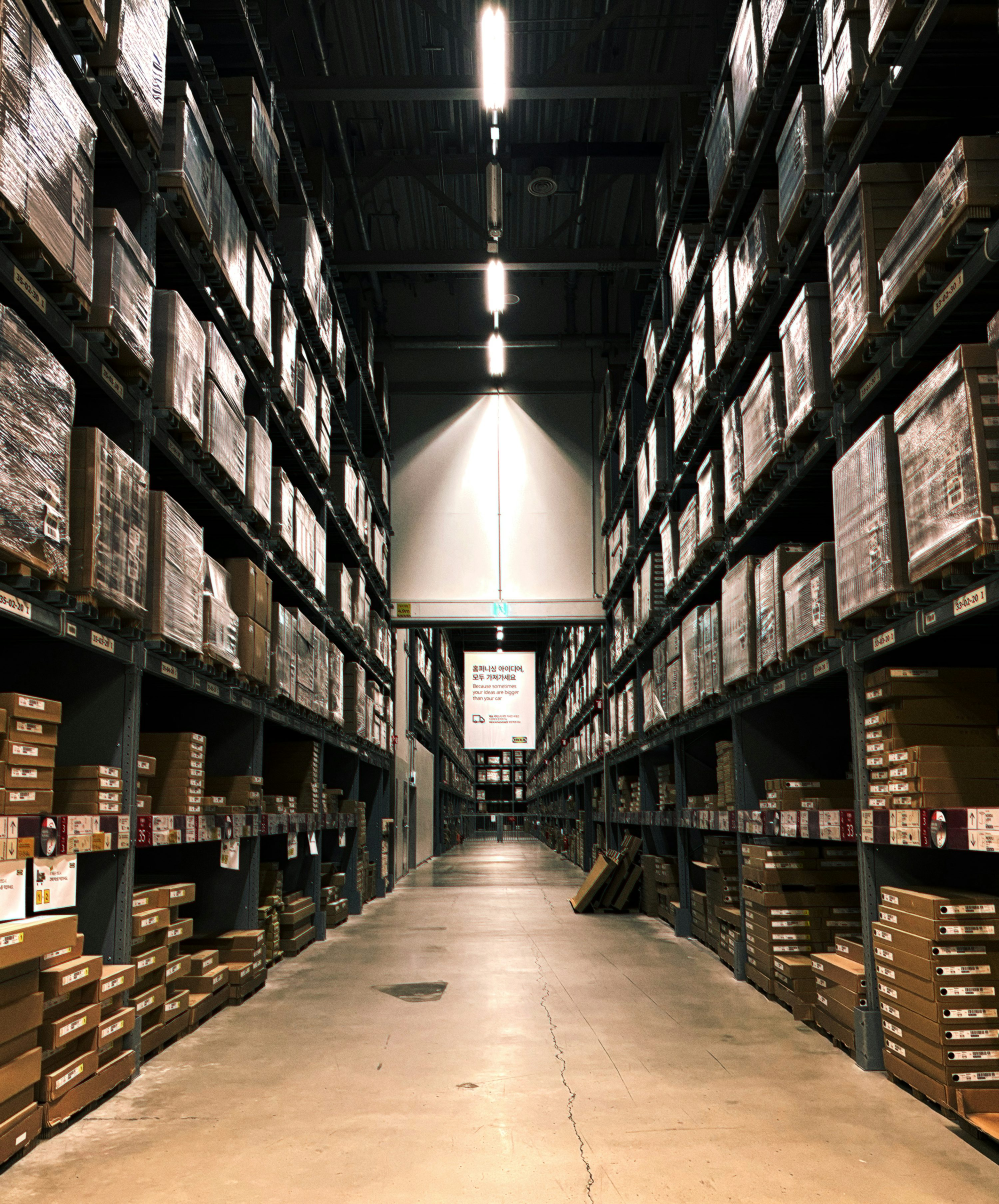
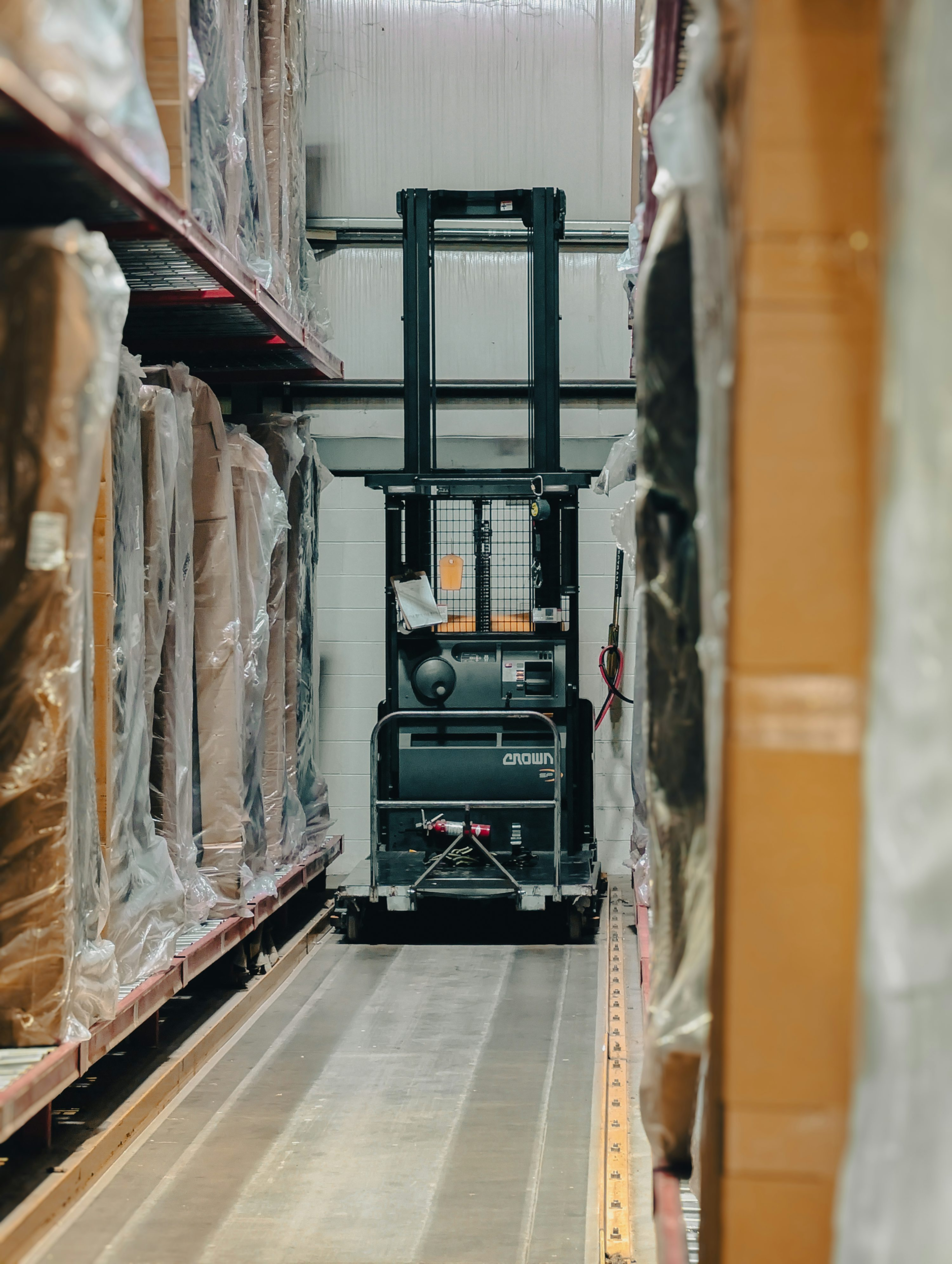
The Chino facility provides more than 565,000 square feet of food-grade storage and fulfilment space in California’s Inland Empire. It includes 140 trailer storage spaces, 107 dock-high positions, heavy-lift forklift capability, and pick, pack, and ship services. The site is also licensed to handle the warehousing and distribution of alcohol products.
Combined with its Phoenix warehouses, Logistics Plus says it now operates more than three million square feet of West Coast warehousing across California and Arizona. SQF certification at two major facilities gives food and beverage customers independently audited capacity in both Southern California and the Phoenix market while leaving the underlying operations site specific.
The SQF programme is recognised by the Global Food Safety Initiative and requires a documented food safety management system covering areas such as sanitation, storage conditions, traceability, employee training, and recall readiness. Certification applies to the controls used while products are in the facility rather than simply to the condition or specification of the building.
That distinction becomes important in a shared logistics operation handling packaged food for several customers. Product status, lot information, handling instructions, and recall records have to remain accurate as goods are received, stored, picked, and dispatched. A large warehouse can process thousands of pallet and case movements, giving small record or process errors the potential to affect several outbound orders before they are discovered.
Chino’s location adds another operating dimension. The Inland Empire is one of North America’s largest concentrations of warehousing and distribution capacity and sits close to the ports of Los Angeles and Long Beach. Food-grade storage in the region can support imported finished products, ingredients, packaging, and domestic inventory before goods move into western US distribution networks.
The earlier Phoenix certification created the first certified western node and identified Chino as the next facility expected to complete the process. With both locations now certified, customers can divide inventory between Arizona and Southern California while operating within the same broad food safety framework.
Certification does not make the two warehouses interchangeable. Layouts, labour availability, customer mixes, transport links, and local operating risks remain different, while each site’s audit and procedures have to stand on their own. Network flexibility therefore depends on consistent company controls being applied without overlooking the requirements unique to each building.
Traceability is one of the most demanding links between the sites. A customer moving inventory between Chino and Phoenix needs lot records, hold status, release procedures, and recall information to remain intact through the transfer. The ability to reposition stock has limited value if the movement weakens product control or makes records harder to reconcile during an incident.
Sanitation and employee training carry the same requirement for consistency. An audit establishes that documented systems meet the standard at a particular point, but daily performance depends on receiving checks, cleaning records, pest control, damaged-goods handling, stock rotation, and corrective actions remaining routine after certification has been awarded.
Logistics Plus says the work required about a year of focused effort by its warehouse teams. That investment now places two major western facilities under the SQF standard, with Chino adding more than half a million square feet close to West Coast ports and the Los Angeles consumer and manufacturing base.
Food manufacturers and brand owners using an SQF-certified third-party warehouse can use the recognised audit framework as part of their own supplier assurance, reducing the amount of duplicated assessment required before outsourcing storage. The customer still remains responsible for oversight, product requirements, and recall planning, but the common certification provides a defined baseline against which warehouse controls can be reviewed.
The Chino award closes the outstanding step identified when Phoenix was certified in August. Logistics Plus now has SQF certification at two major West Coast warehouses; maintaining that position will depend on the less visible work that follows the audit, including accurate traceability, disciplined sanitation, employee training, and controlled product movement as volumes and customer requirements change.