IN Brief:
- Agricultural and fishery warehouses and cold storage facilities must register through RSAS by 31 December 2026.
- Operators must maintain detailed records, report inventory data, and retain auditable information for at least five years.
- The Department of Agriculture is preparing nationwide inspections for 2027 after the registration phase.
The Philippine Department of Agriculture (DA) has given operators of agricultural warehouses, cold storage facilities, and other covered storage sites until 31 December 2026 to register under the Registry System for Agri Storage, or RSAS.
The digital registry is intended to record where agricultural and fishery commodities are stored, how much capacity exists, and what inventories are being held. Agriculture Secretary Francisco P. Tiu Laurel Jr. has directed officials to widen the registration drive and produce an updated count of facilities and compliance rates before nationwide inspections begin in 2027.
The requirement stems from Republic Act No. 12022, the Anti-Agricultural Economic Sabotage Act, which took effect in October 2024. The law requires operators of warehouses, cold storage facilities, and other properties used for agricultural and fishery products to register and to maintain complete and accurate records for at least five years.
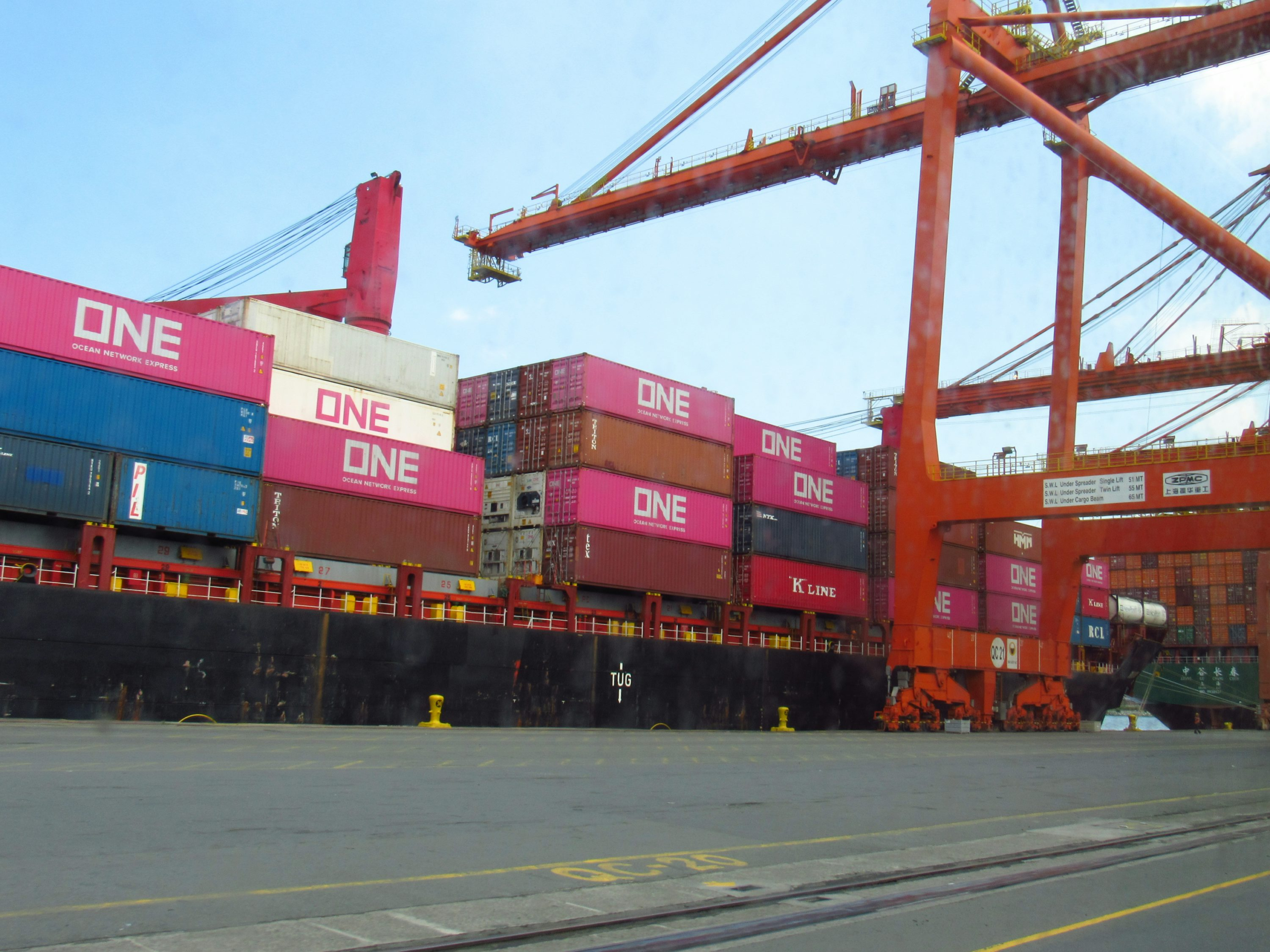
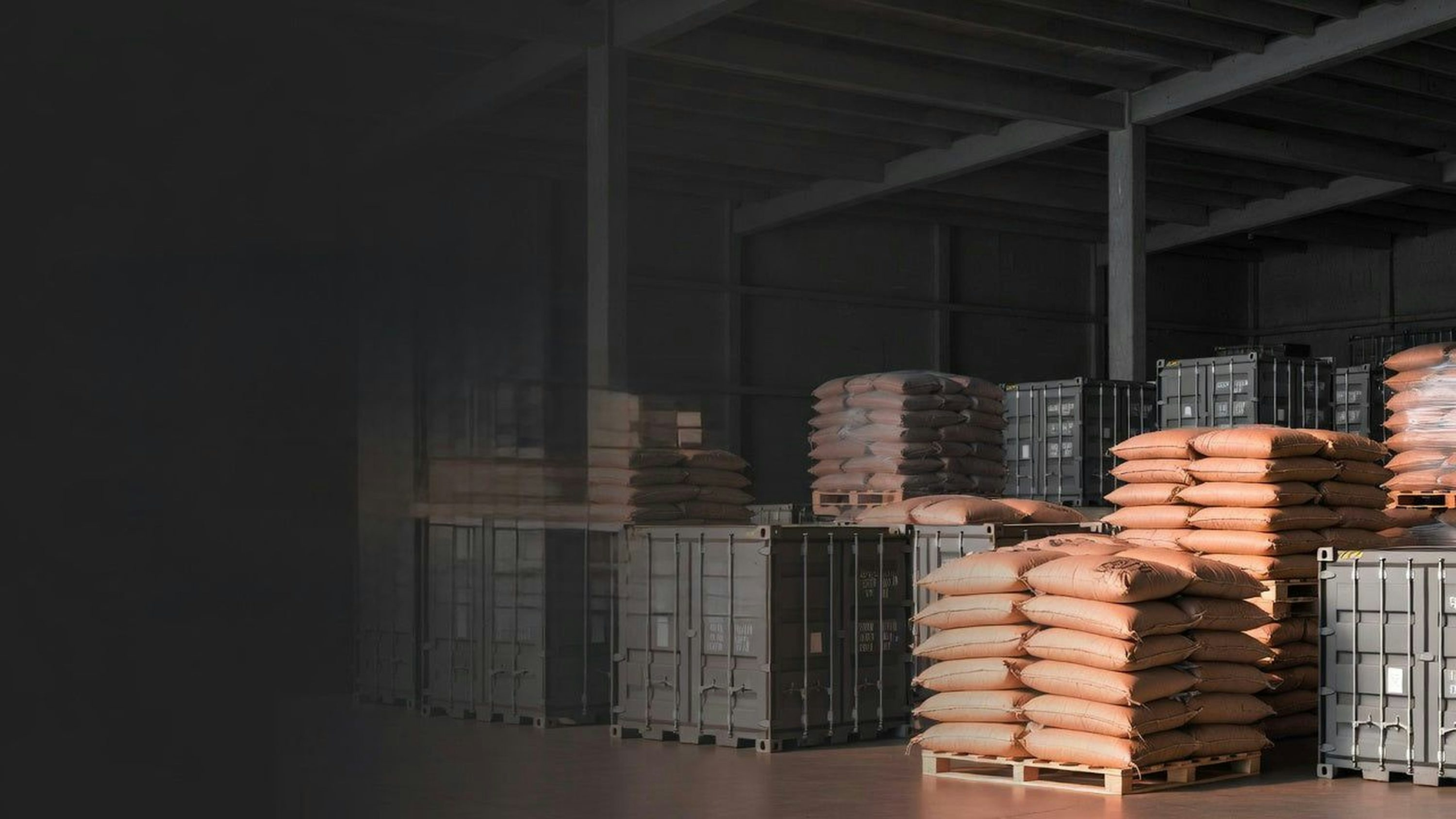
Department Memorandum Circular No. 3, issued in February 2026, sets out the operating rules. Its scope includes rice warehouses, onion cold stores, meat freezers, grain silos, refrigerated container vans, and agricultural storage tanks handling local or imported products. Operators must disclose storage capacity, commodities handled, and inventory levels, while maintaining monthly operating records and submitting quarterly electronic reports through the relevant trade regulatory agencies.
Tiu Laurel said: “We have to strictly follow the law.” The immediate deadline is simple, but the wider change is the creation of a national dataset connecting individual facilities with capacity and commodity information rather than leaving records fragmented across separate regulators and local operations.
RSAS is already operational. Owners, lessees, and sublessees can register through the online system, although lessees and sublessees require a warehouse code from the facility owner before filing. Applications are routed to the relevant trade regulatory agency for evaluation, while access uses email verification and a one-time password.
The system places responsibility on operators to get the data right at submission. Applications cannot be saved as drafts and, once submitted, cannot be edited, although an applicant can cancel a filing while it remains under review and before an evaluator has acted. Businesses running multiple sites or complicated tenancy structures will therefore need consistent facility, ownership, and commodity records before submitting.
Registration does not replace certification, accreditation, or inspection. Licences and specialist approvals remain with agencies including the Bureau of Plant Industry, Bureau of Animal Industry, Bureau of Fisheries and Aquatic Resources, National Meat Inspection Service, Sugar Regulatory Administration, and National Tobacco Administration.
The DA plans to use 2027 for nationwide inspections, with regional activity staggered to spread the workload. That will turn the digital registry into an auditable operating record rather than a one-off list of buildings, particularly where inspectors compare declared capacity and inventory data with conditions on site.
The requirement arrives while the Philippines is adding physical cold storage capacity. New facilities are being developed across agricultural regions, increasing the number of assets that will need to operate within a common reporting and inspection framework as capacity expands.
That combination of infrastructure and inventory data gives regulators a more detailed view of agricultural logistics. A cold store can be technically capable of holding thousands of pallets, but supply oversight also depends on knowing what is actually inside, how stock levels change, and whether declared imports and domestic inventories align with movements through ports, warehouses, and markets.
The DA has also asked officials for better visibility of imported agricultural and fishery inventories, particularly rice. That makes RSAS relevant to anti-hoarding and anti-smuggling enforcement as well as routine licensing, because unusual stock accumulation or discrepancies between declared flows and stored volumes can be identified more quickly when facility and inventory records are connected.
For warehouse operators, the practical burden will sit largely in master data and record discipline. Facility ownership, tenancy, commodity categories, capacity figures, and recurring inventory records will need to remain consistent across local systems and the central platform. The more sites an operator manages, the more important that consistency becomes.
The law also carries enforcement consequences. Failure or refusal to produce required records can constitute a violation, while regulators can suspend, revoke, or cancel licences, registrations, or accreditations subject to due process. Registration is therefore the first step in a broader compliance regime rather than the end of the exercise.
Micro scale businesses receive exemptions under the wider framework, including certain sari-sari stores, wet market vendors, home based family enterprises, itinerant peddlers, and certified barangay micro businesses below the statutory asset threshold. Larger operators do not have the same latitude.
The immediate task is to complete registration by 31 December. The more consequential phase begins in 2027, when the DA starts comparing digital declarations with operating sites and uses the resulting data to monitor agricultural storage capacity, inventory, and movement across the country.