IN Brief:
- Arctic Gateway Group and the Port of Rotterdam will develop trade links connecting Western Canadian resources with European markets.
- Critical minerals, energy products, industrial partners, buyers, and logistics providers sit within the cooperation agreement.
- Commercial development will depend on converting the partnership into repeat cargo, infrastructure commitments, and reliable transport services.
Arctic Gateway Group and the Port of Rotterdam have agreed to develop new trade links between Western Canada and Europe, with critical minerals, energy products, and other strategic cargo at the centre of a proposed northern supply corridor.
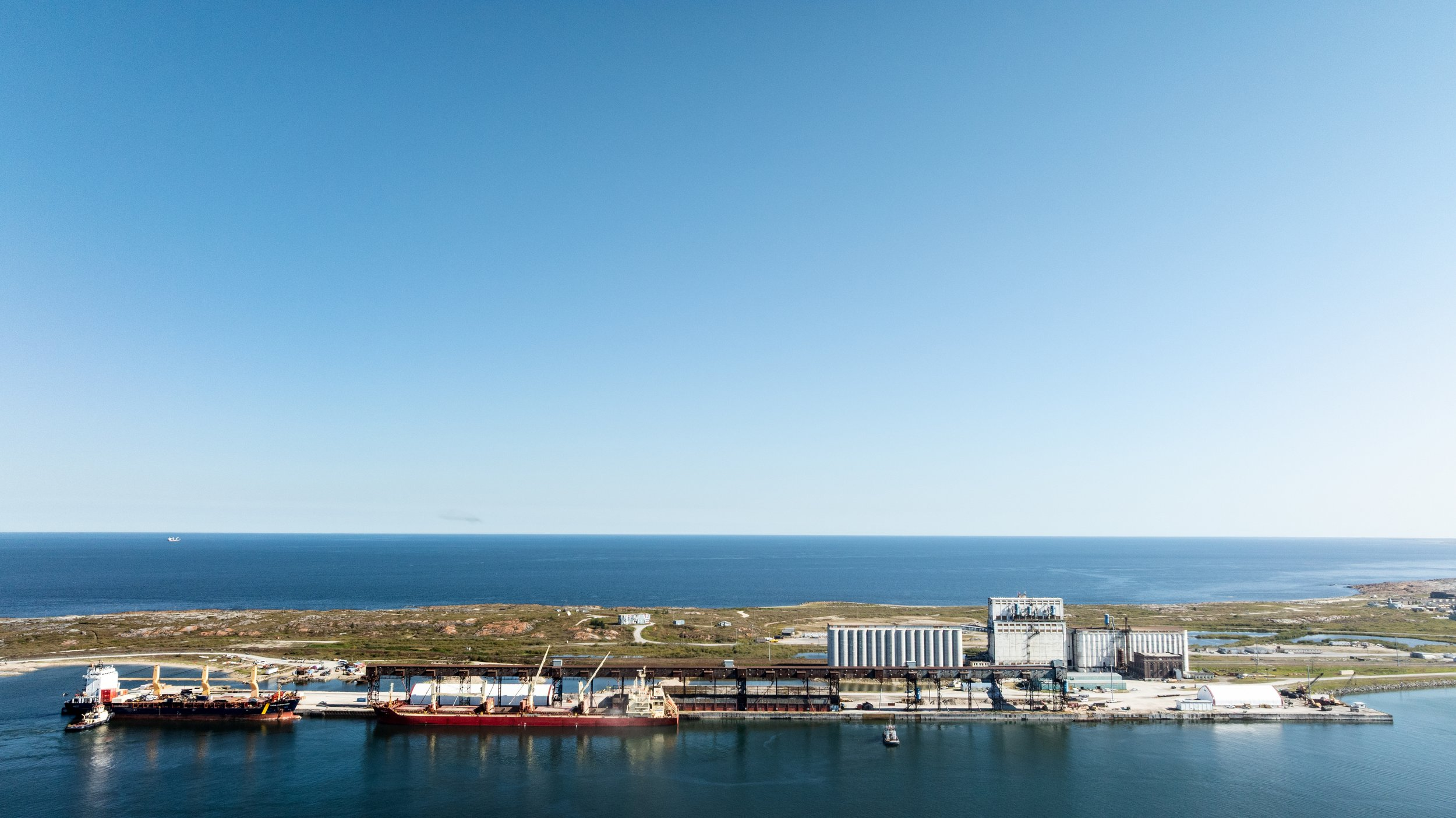
Arctic Gateway operates the Port of Churchill and the Hudson Bay Railway, giving the partnership both an Arctic seaport and the inland rail connection needed to move Western Canadian exports towards tidewater. Rotterdam brings access to one of Europe’s largest port and industrial complexes and a concentration of buyers, processors, terminals, and onward transport networks.
The agreement is intended to connect Canadian producers with European customers, identify cargo that could move through Churchill, and bring industrial and logistics partners into corridor development. The two organisations will also share expertise on port development and consider supply chains for energy and other strategically important products.
The arrangement does not create a scheduled shipping route or guarantee cargo volumes. Its immediate value lies in bringing both ends of a prospective trade lane into the same commercial discussion, allowing producers, buyers, investors, and logistics providers to test whether specific commodities can move through Churchill competitively.
Critical minerals are a natural focus. Canada has substantial resources used in manufacturing, electrification, energy systems, and strategic technologies, while European industry is seeking to diversify supply away from concentrated sources. A second viable export path can improve resilience, but only where mine output, inland transport, storage, vessel economics, and downstream demand align.
Churchill offers a distinctive geography. It is Canada’s only Arctic seaport connected directly by rail, with the Hudson Bay Railway providing the route south towards Manitoba and Western Canadian production areas. That can shorten the path to tidewater for some origins compared with more established coastal gateways, although the advantage varies by commodity and location.
The railway is therefore fundamental to the proposition. Almost every additional export tonne using Churchill has to reach the coast through the same northern transport spine, making track condition, operating reliability, wagon availability, and terminal capacity as important as marine distance.
Arctic Gateway has been investing in both the railway and port after years of disruption and changes in ownership. The 2026 shipping season has also broadened the cargo mix, with grain exports moving alongside zinc concentrate, Manitoba potash, and resupply traffic for northern communities.
That diversity matters because a corridor depending on one commodity is exposed to production cycles, price swings, and the fortunes of a small customer base. Adding minerals, agricultural exports, and other industrial cargo can spread infrastructure costs across more movements and make regular vessel calls easier to support.
Rotterdam strengthens the demand side of the equation. Its industrial ecosystem gives Arctic Gateway access to companies that can assess specifications, volumes, storage requirements, and onward transport long before a shipment is booked. That is more useful than simply presenting Churchill as another point on a map and waiting for cargo to appear.
The commercial discipline will come from those customer requirements. A mineral producer may have enough annual tonnage to justify a route, but cargo still has to be concentrated into economic shipment sizes, stored safely, delivered to the port on schedule, and matched with vessels that can operate within the available season and infrastructure.
Critical minerals can also require specialist handling depending on the commodity and form being shipped. Storage, dust control, contamination, moisture, loading equipment, and environmental requirements can all influence whether an existing bulk terminal can accommodate a new flow without additional capital spending.
Energy is the more ambitious part of the cooperation. LNG or other large energy movements would require substantial infrastructure, regulatory work, long term customer commitments, and dedicated logistics arrangements. The agreement creates a platform for those discussions, but it should not be confused with a committed export project.
The broader attraction is route diversification. Canadian exporters have traditionally depended heavily on Pacific, Atlantic, and US connected gateways, while European manufacturers are examining the resilience of inbound raw material supply. Another corridor can reduce concentration risk, provided it performs reliably enough for companies to build contracts and inventory plans around it.
That reliability requirement tends to expose the difference between strategic announcements and working logistics networks. A memorandum can establish intent quickly; a supply corridor has to perform through rail schedules, port operations, weather, vessel availability, customs, storage, and customer demand on every movement.
The Churchill-Rotterdam partnership is therefore most significant as a commercial development mechanism rather than a finished route. The useful indicators will be cargo commitments, infrastructure decisions, and recurring sailings that demonstrate whether potential demand can be converted into operating volume.
Churchill has already shown that its cargo base can broaden. Rotterdam now gives Arctic Gateway a direct route into one of Europe’s largest industrial markets. The harder part begins after the agreement, when both sides have to establish which commodities can support the cost and discipline of a repeat supply chain.