IN Brief:
- NEAS has added Corner Brook in western Newfoundland to a regular liner service serving Canadian Arctic communities.
- LOGISTEC is providing receiving, unloading, storage, consolidation, staging and vessel-loading services at the terminal.
- The inaugural UKPIK call loaded Newfoundland-built commercial aluminium boats for delivery into Arctic communities.
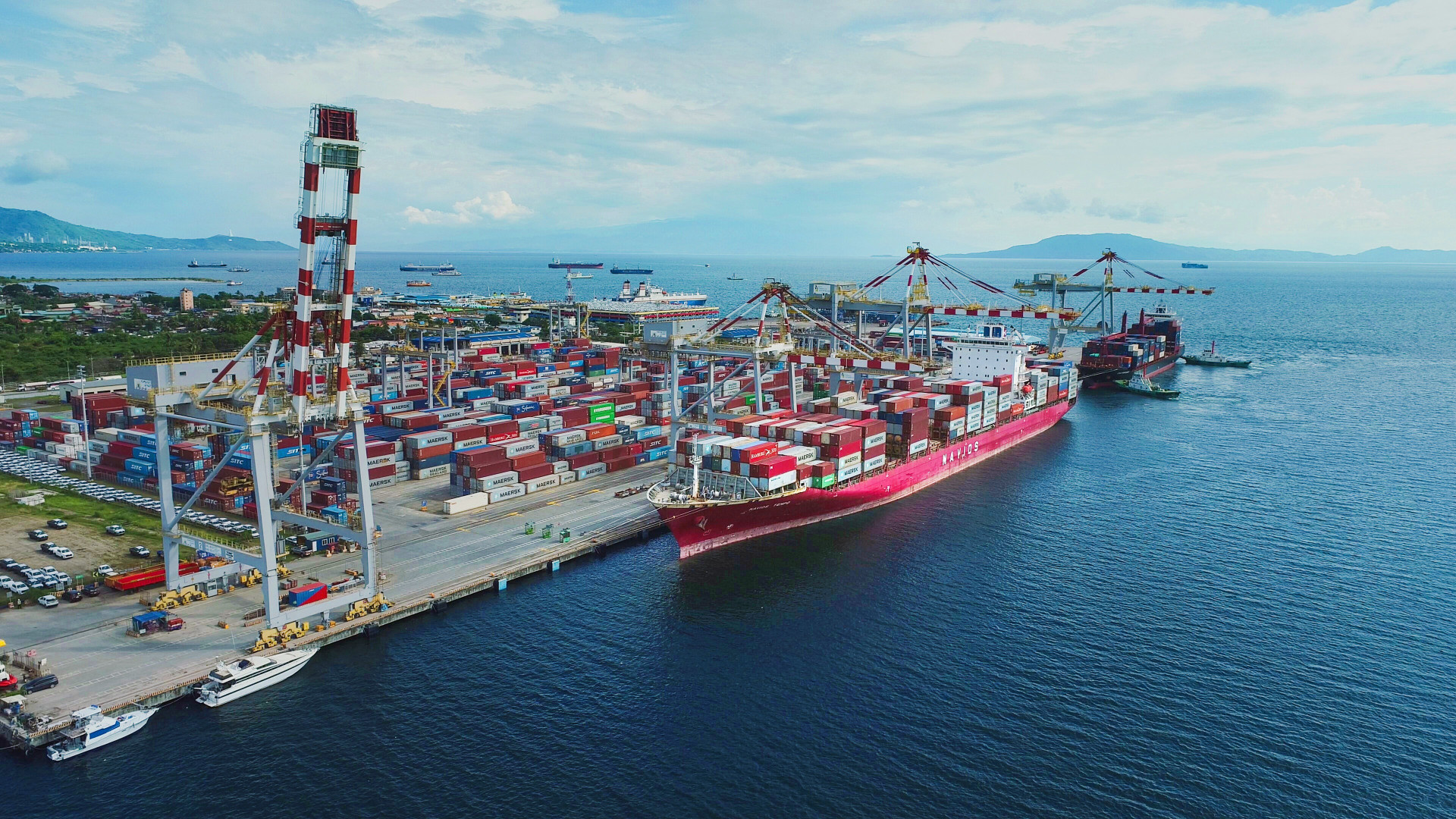
LOGISTEC, the Port of Corner Brook and Nunavut Eastern Arctic Shipping have launched a regular liner connection through western Newfoundland, creating another consolidation point for cargo moving between Atlantic Canada and Arctic communities.
The service began with the arrival of NEAS vessel UKPIK at Corner Brook. LOGISTEC, which operates the marine terminal, is handling receiving, unloading, storage, consolidation, staging and vessel loading before cargo continues north.
The inaugural call included a fleet of Silver Dolphin commercial aluminium boats manufactured in Newfoundland for delivery into Arctic communities. Starting with locally produced cargo gives the new route an immediate connection with regional manufacturing rather than relying solely on freight transferred into the province from elsewhere.
UKPIK is a Canadian-flagged, Inuit-owned ice-class multipurpose vessel designed for container and project cargo. Its ability to handle several cargo types is useful on Arctic services because northern communities require goods that do not always fit standard container operations.
Published vessel information gives UKPIK capacity of 665 TEU and deadweight of 12,780 tonnes, together with two 180-tonne heavy-lift derricks that can work in tandem. That lifting capability allows the ship to handle equipment and project cargo beyond conventional container loads.
Vessel-mounted lifting equipment can be especially valuable where destination infrastructure is limited. Some Arctic calls cannot rely on the same permanent cranes and cargo systems available at large southern ports, so the ship has to carry more of the capability required to discharge its own freight.
Corner Brook performs a different function earlier in the chain. Cargo can arrive at the terminal over time, remain in storage and be consolidated for the liner call, allowing individual shipments from manufacturers and suppliers to become part of a larger northbound movement.
That consolidation reduces the need for each shipper to organise a dedicated Arctic transport chain. The terminal can receive freight according to individual supplier schedules and then stage it according to the vessel’s loading plan and the order in which destinations will be served.
Sailing frequency makes that preparation important because missing a scheduled Arctic vessel can create a much longer delay than missing a conventional daily road departure. Bringing freight into the terminal ahead of the call provides some protection against variability in inland arrival times.
Too much early cargo can create another problem if storage areas fill or freight becomes difficult to organise before loading. Effective consolidation therefore depends on knowing what is arriving, where it needs to be discharged and how long it can remain in the terminal.
Corner Brook’s west-coast location provides access to Atlantic routes serving eastern and northern Canada. The port and its partners are using that position to connect Newfoundland production and wider southern supply chains with Arctic marine services.
Northern maritime infrastructure is receiving greater attention as governments and operators seek more resilient supply links. ports in Greenland and Nunavut have formalised cooperation around Arctic maritime infrastructure and supply chains, reflecting wider efforts to strengthen transport links across the region.
Resilience has a particular meaning in remote northern supply chains because alternative routes are limited. In a dense logistics market, a disrupted road or warehouse can often be bypassed; many Arctic communities depend on seasonal shipping windows and a relatively small number of suitable vessels and ports.
Adding Corner Brook as a regular call provides another origin and consolidation option without removing those structural constraints. Weather, ice, vessel availability and terminal capability will continue to influence when freight can move and how much contingency operators need to build into schedules.
NEAS specialises in Arctic marine services while LOGISTEC provides the southern terminal operation. Dividing those roles allows the liner operator to focus on vessel scheduling and northern delivery while the terminal organises freight before UKPIK arrives.
The first cargo also demonstrates how Newfoundland manufacturers could use the service directly. Moving locally built boats through a port within the province shortens the initial inland leg compared with routing them through a more distant consolidation point before they begin the Arctic voyage.
Future volumes will determine how substantial that regional manufacturing link becomes. A liner service becomes more efficient as enough regular cargo is attracted to use vessel capacity without creating excessive dwell time for individual consignments.
UKPIK’s multipurpose design gives NEAS room to build that mix. Containers can carry general supplies, while its lifting equipment and deck arrangements allow vehicles, machinery and project cargo to travel within the same broader service pattern.
For Corner Brook and LOGISTEC, performance will depend on keeping the interface between inland freight and the vessel dependable. Cargo has to be received, recorded, stored and staged in enough time for loading to proceed efficiently, because extra time alongside can increase cost and disrupt a schedule already shaped by long distances and northern conditions.
The inaugural call demonstrates that the complete chain can operate with a commercial load. Repeated sailings will show whether Corner Brook can develop into a durable southern node where regional cargo and wider supply flows are assembled for movement into Arctic communities.