IN Brief:
- PMET Resources has signed a letter of intent with the City of Matagami covering planned spodumene concentrate transfer services.
- Concentrate from Shaakichiuwaanaan would travel by truck to Matagami before being transferred into rail cars for the onward journey to port.
- A definitive commercial agreement covering infrastructure contributions, service pricing and operating arrangements is still required before final investment approval.
PMET Resources has signed a letter of intent with the City of Matagami covering the planned transfer of spodumene concentrate from road vehicles into rail wagons, advancing a key logistics interface for the proposed Shaakichiuwaanaan lithium project in Quebec.
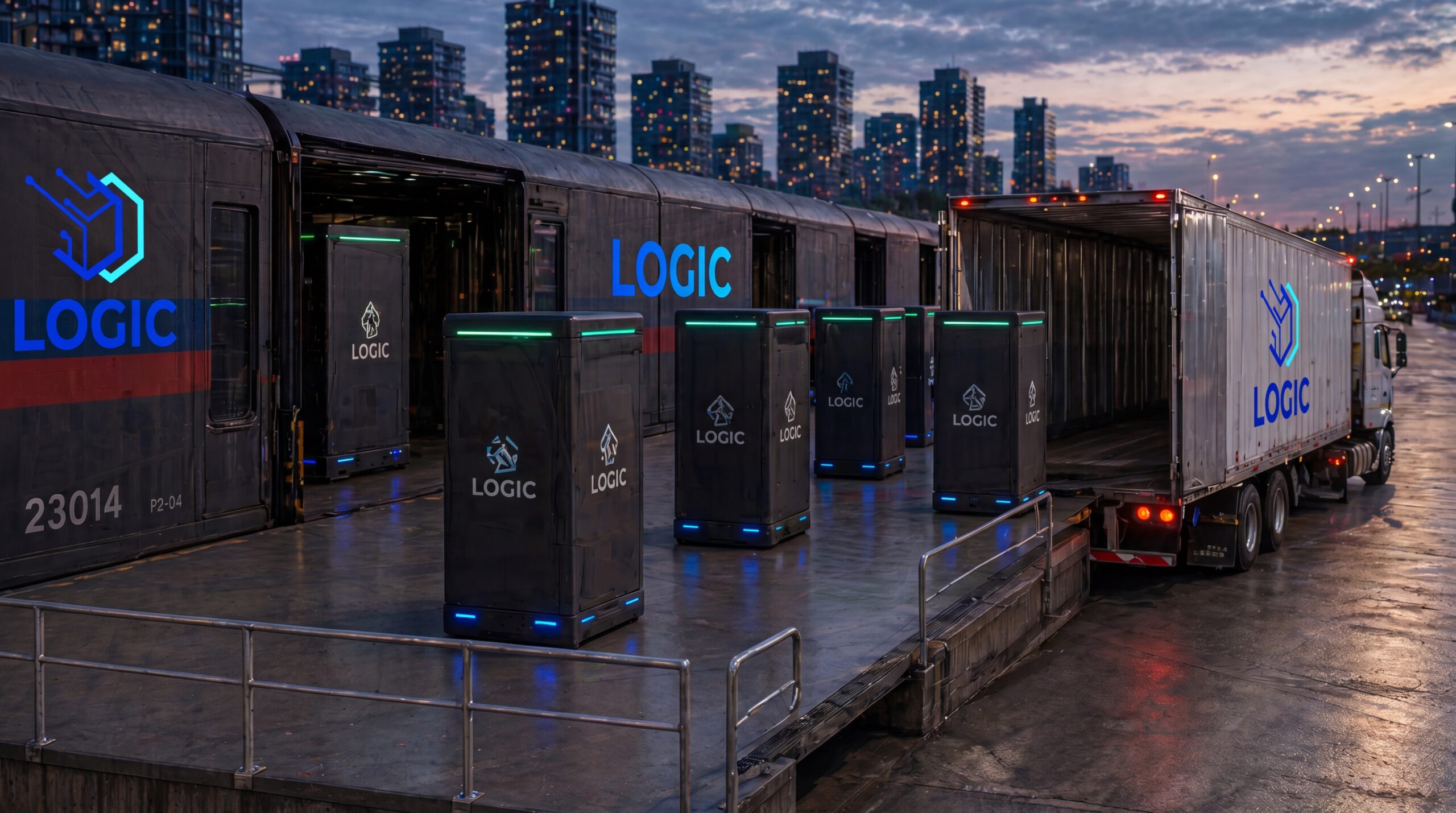
The proposed route would move concentrate from the mine by truck to Matagami’s existing transshipment yard. Material would then be unloaded and transferred into rail cars for the longer onward journey towards port.
The letter of intent establishes principles rather than a final service contract. PMET and Matagami still have to agree commercial terms around infrastructure contributions, operating services and pricing before the arrangement can support a final investment decision.
That distinction matters because the freight operation is planned rather than active. The agreement advances one part of the development programme but does not mean concentrate trains or truck movements are about to begin.
Shaakichiuwaanaan sits a substantial distance from export infrastructure, which makes transport design an important part of project economics. PMET’s feasibility work places Matagami roughly 834 kilometres from the mine along the proposed road route.
Trucks provide the flexibility needed to connect a remote mine with established transport infrastructure, while rail can take over once enough concentrate reaches one transfer point to support larger bulk movements.
Using road transport for the complete export journey would avoid one transfer but require many more long-distance heavy vehicle movements. Moving the longer downstream leg onto rail introduces additional handling at Matagami while allowing much greater tonnage to travel in each train movement.
The transshipment yard therefore becomes more than a rail siding. It needs to receive trucks at a sufficient rate, unload concentrate, provide temporary storage and feed rail wagons without creating queues that interrupt the mine’s outbound flow.
Storage separates the operating rhythms of road and rail. Trucks can arrive throughout the day, whereas trains move much larger quantities at less frequent intervals, so the terminal requires enough buffer capacity to prevent a delayed departure from stopping truck movements upstream.
Earlier project engineering envisaged covered concentrate storage and loaders transferring material into rail wagons at Matagami. Final arrangements may evolve as the project progresses, but the road-to-rail interface remains central to the planned logistics chain.
Infrastructure investment will form part of the definitive agreement because the existing Matagami facilities were not built specifically around the project’s forecast concentrate volumes. Storage, handling systems and rail infrastructure may all require work before regular movements can begin.
The City of Matagami consequently becomes a commercial participant rather than simply the municipality through which freight passes. Negotiations will determine how capital investment and operating payments are shared between the parties.
Once loaded into rail wagons, concentrate would move through the Canadian rail network towards port facilities. That step converts dispersed truck movements into larger trainloads for the longer transport leg.
The project’s planned scale makes the choice important because commercial production would generate recurring bulk movements rather than occasional project cargo. Transport cost and reliability therefore feed directly into the competitiveness of each tonne of concentrate produced.
Lithium developments are often discussed primarily through reserves, processing and battery demand, but remote mine economics also depend heavily on logistics. Hundreds of kilometres of inland transport have to be paid for before the material reaches a port or downstream processor.
Those distances also create operating dependencies outside the mine itself. Production could be available while exports are restricted by poor road conditions, insufficient terminal capacity or limited rail availability, making transport infrastructure part of overall production resilience.
PMET has previously highlighted existing all-season road links and access to the North American rail network as advantages for Shaakichiuwaanaan. The Matagami agreement begins to define how those two transport systems would connect commercially.
A final investment decision still depends on the wider project and the letter of intent does not guarantee construction. It does, however, move one essential interface towards a defined operating structure: trucks carrying concentrate from the mine, Matagami receiving and buffering that material, and rail taking over for the longer route towards market.