IN Brief:
- DP World will operate and maintain the New Mooring Container Terminal and its overflow yard under a 15-year concession.
- The Chittagong Port Authority will retain ownership of the terminal and its infrastructure.
- Planned improvements cover berth planning, yard operations, equipment utilisation, preventive maintenance and digital systems.
DP World has signed a 15-year concession agreement to operate and maintain the New Mooring Container Terminal at Bangladesh’s Chittagong Port, with the agreement also covering the terminal’s overflow container yard. The Chittagong Port Authority will retain ownership of the facility while the international ports and logistics group assumes operating and maintenance responsibilities under a public-private partnership. The arrangement establishes a long-term operating framework for an existing container gateway rather than transferring ownership of the port infrastructure or authorising a wholly new terminal.
The agreement was signed on 8 October 2026 and builds on cooperation between Bangladesh and Dubai dating from 2019. DP World’s development plan includes improvements to civil and equipment infrastructure, the introduction of digital systems and changes to handling procedures. Berth planning, yard management, equipment utilisation and preventive maintenance have been identified as priorities, alongside safety, workforce development and operational practices. Specific equipment procurement contracts, spending figures and measurable productivity targets have not been disclosed.
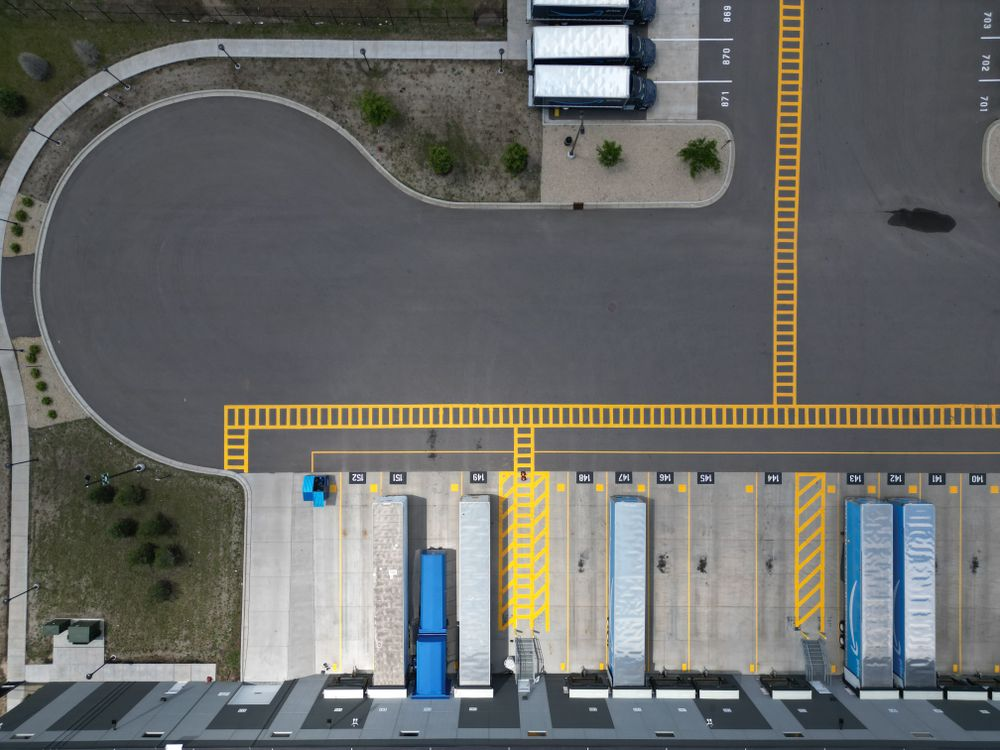
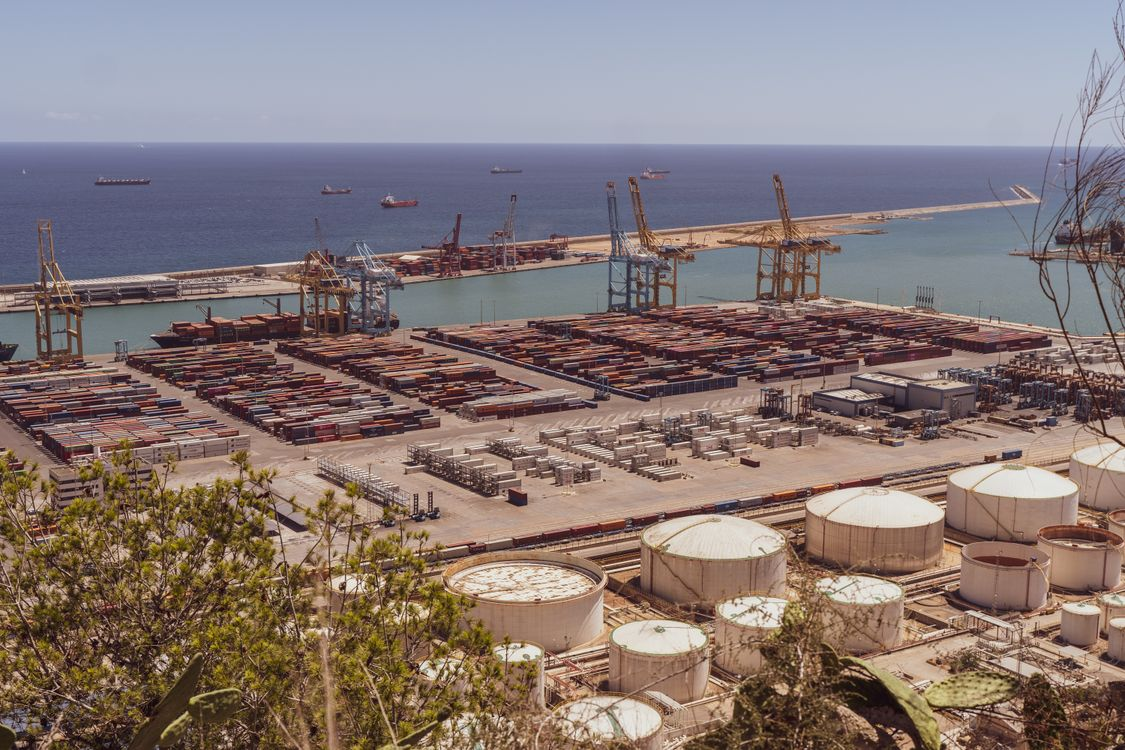
With five jetties and 14 quayside gantry cranes already handling a major share of Chittagong’s trade, New Mooring Container Terminal must remain operational through the handover. Its five jetties and 14 quayside gantry cranes provide capacity for container vessels, while recent reporting places annual handling at approximately 1.385 million twenty-foot equivalent units. The terminal therefore cannot be treated as an empty development site. Maintaining service while a new operator takes responsibility will be an essential part of the transition, particularly when cargo is already scheduled for loading, discharge and movement through the yard.
Cargo moves through successive berth, quay, internal transport and storage operations, so a delay in one stage can constrain the rest. Berth allocation determines where vessels can work, quayside cranes transfer containers between ships and the quay, and internal transport equipment moves them into stacking areas or towards onward transport. Bottlenecks can shift between those processes as vessel sizes, arrival patterns and cargo mixes change. Increasing crane availability alone may have little effect if storage stacks cannot release boxes at the same rate or if the vehicles serving the cranes are delayed.
DP World’s inclusion of the overflow yard broadens the area across which these flows must be coordinated. Overflow storage can relieve pressure on the primary terminal when arrivals exceed immediate release capacity, but extra space does not automatically remove congestion. Operators need reliable information about container identity, location, customs status and planned collection. Every extra transfer can consume machinery hours and yard capacity, so any revised storage process will have to balance temporary space against additional handling activity.
As DP World plans new handling procedures, scheduled maintenance of cranes and terminal vehicles will need to be coordinated with vessel calls. Heavy-duty cranes and terminal vehicles experience wear across their lifting, braking, hydraulic and control systems. Scheduled inspection can reduce the risk of sudden breakdowns, although equipment must be withdrawn from productive work during maintenance. Planning those interventions around shipping schedules requires a clear picture of operating hours, asset condition, spare parts availability and the capacity of alternative machines. No new maintenance intervals or equipment availability figures have yet been reported for Chittagong.
The concession also includes digital improvements, which could support the movement of information across berth planning, storage and dispatch processes. A terminal operating system relies on accurate cargo records and status updates to allocate handling tasks and identify the container required for a particular truck or vessel. Better coordination may reduce unnecessary moves, but its effectiveness depends on integration with existing systems, workforce training and the reliability of data provided by shipping lines, transport operators and customs processes. DP World has not named a specific replacement platform for the facility.
Bangladesh’s manufacturing economy relies on the port for imported materials and exported goods, with delays capable of affecting the timing of factory deliveries and shipment departures. International cargo movements combine sea transport with inland trucking, warehousing and documentation requirements. Improvements inside the terminal can make transfers more consistent, but goods can still be delayed by customs clearance, road congestion or insufficient inland collection capacity. The benefits of a new operating model will therefore depend partly on activities outside the concession boundary.
The change of operator will also depend on labour arrangements and the workforce’s ability to adopt revised procedures. Representatives of the port workforce have expressed concerns about private management and the terms under which employees may work. The concession provides a framework for operations and maintenance, but does not establish that every staffing concern has been resolved. Training and safety procedures will have to accompany any change in equipment operation or software processes, particularly where workers are required to adopt revised task allocation and maintenance practices.
Once the Chittagong Port Authority transfers operating responsibility, DP World will need to implement the agreed improvements without interrupting existing freight movements. The operator intends to connect the terminal more closely with its wider international logistics network while developing local technical skills and operational systems. The 15-year term provides time for investment and procedural changes, but the eventual result will be measured through berth productivity, machinery availability, container dwell times and cargo movements rather than the signing itself. No completed performance gains have been claimed for this concession.