IN Brief:
- Buchanan Capital Partners and Vault Partners have closed a Houston development joint venture.
- Wildcat Distribution Center is planned at 321,120 sq ft with 36 ft clear height.
- Proposed electrical service is rated at 10,000 amps, with the building not yet operational.
Buchanan Capital Partners and Vault Partners have closed a joint venture to develop Wildcat Distribution Center in southwest Houston, advancing plans for a 321,120 sq ft industrial warehouse with substantial electrical provision. The proposed cross-dock building at 222 Holmes Road is intended for logistics and manufacturing occupiers, including businesses requiring greater power capacity than a conventional storage facility. The financial closing establishes the development partnership, but the warehouse remains a planned project rather than a completed or occupied logistics operation.
Vault will manage development and construction, with FCL Builders appointed as general contractor, Goree Architects working on the design and Kimley-Horn providing civil engineering services. BancFirst is supporting construction financing, while Cushman and Wakefield will handle leasing. The development has a planned clear height of 36 ft and a projected availability date in 2027. A firm construction completion date, tenant contracts and final fit-out arrangements have not been confirmed in the information available.
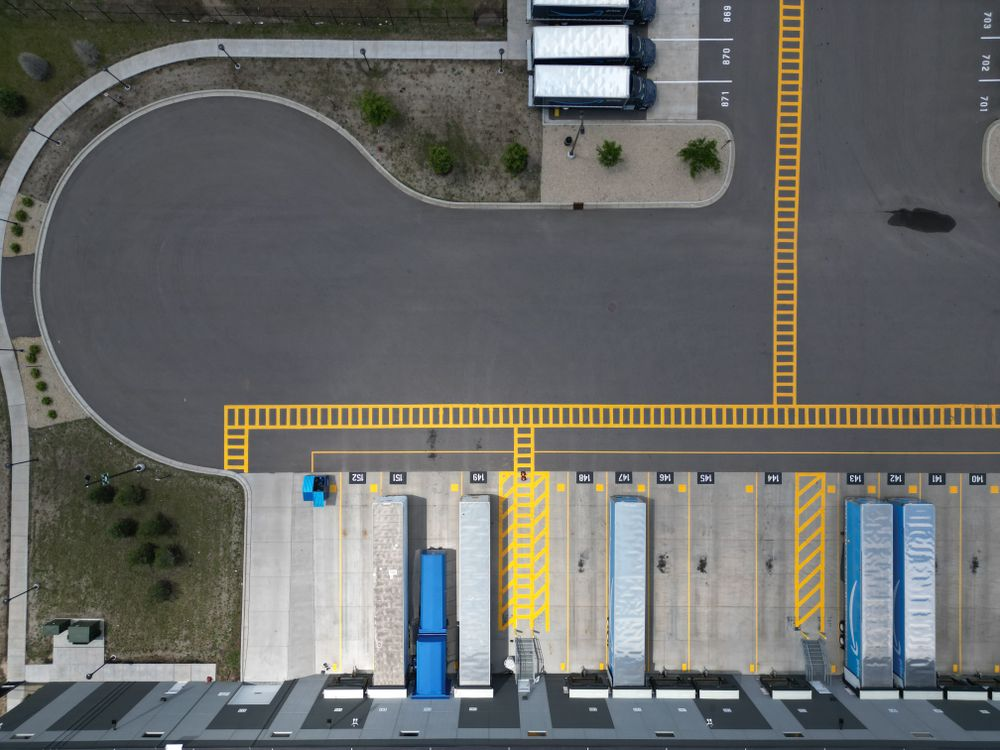
The project is described as a cross-dock warehouse, meaning loading positions can be arranged on different sides of the building to support inbound and outbound movements. Some operators use such facilities to transfer consignments between vehicles with minimal intermediate storage, while others combine the configuration with conventional warehousing. The handling flow depends on loading door locations, vehicle arrival patterns and the equipment available to move freight. The final door count and yard arrangements remain unspecified for Wildcat.
The site is inside Beltway 8 and has connections towards US Route 90 and State Highway 288, providing road access to industrial and commercial areas of Houston. Its location may suit distribution activity serving different parts of the metropolitan market, but actual vehicle journey times depend on traffic and the destinations involved. Road access must be assessed alongside the availability of turning space, trailer parking and loading arrangements, none of which can be reduced to a single statement about proximity to major routes.
To accommodate occupiers with substantial machinery requirements, the planned building includes electrical provision rated at 10,000 amps. The figure describes a current rating, not power delivered in megawatts, which depends on voltage and other electrical characteristics. The developer has identified industrial occupiers with greater electricity demands as potential users, but the funded development does not establish that the full proposed supply has been energised. Actual service availability will depend on the completed electrical design, utility arrangements and any future requirements associated with the tenant’s installation.
Electrical demand will arise from building services and handling equipment, with some occupiers potentially requiring additional power for manufacturing or automation. More automated operations may require conveyors, sortation, robotic storage or large charging areas, while light manufacturing can introduce process equipment, ventilation and thermal management demands. The pattern of consumption varies during the working day, so the peak requirement is influenced by which systems run simultaneously. Electrical capacity is therefore an important part of the building specification even though the final demand cannot be known before the occupier’s equipment is selected.
Businesses supplying data centre construction or equipment markets have been identified as one potential source of demand in Houston. Such occupiers may store, assemble or test components before shipment to project sites. That activity can require more electrical supply and handling space than conventional goods storage, although the proposed Wildcat building has no confirmed contract with a particular data centre supplier. The developers’ expectations about market demand should not be confused with signed occupancy or an established specialised manufacturing process.
With vacancy reported below the metropolitan average in southwest Houston, the developers expect the specification to attract industrial tenants seeking limited available space. Market estimates change over time as new premises are completed and businesses relocate, so they are relevant context rather than a guarantee of future leasing. Developing a speculative warehouse involves committing capital before the identity and precise requirements of all tenants are known. The building must accommodate multiple potential uses while accepting that later adaptation may be needed.
Once a tenant is identified, the building may need changes to loading equipment, racking, partitions or internal power distribution. The cost and timing of such work depend on the intended activity and the terms agreed with the landlord. A large nominal floor area is not identical to available storage volume or operational throughput, which are affected by layout, clear height, equipment and safety requirements. The 321,120 sq ft figure measures the planned building, not the volume of cargo it can already process.
The funded joint venture establishes a development programme, while completion and occupation remain separate future milestones. Its next material milestones will involve construction progress, delivery of the specified electrical infrastructure and commercial leasing. Until the property is completed and an occupier installs its systems, its practical contribution to manufacturing and distribution capacity cannot be measured. The funded project represents planned industrial infrastructure and must not be treated as an operating warehouse.