IN Brief:
- The UK announced 38 new sanctions measures comprising 26 designations and 12 vessel specifications.
- Seventeen targeted people and entities are linked to goods sought for Russian military production.
- Oil companies, tankers and financial intermediaries are included in the package.
The Foreign, Commonwealth & Development Office has introduced 38 new Russia sanctions measures covering companies, individuals and vessels associated with oil trading, military supply networks and financial arrangements. Announced on 8 October, the package comprises 26 designations and 12 vessel specifications. These are different legal instruments and should not be presented as 38 newly designated companies. The measures extend restrictions on counterparties and shipping assets involved in transactions linked to Russia’s war against Ukraine.
Seventeen of the targeted individuals and entities are connected with the supply of goods regarded by the UK and its partners as important to Russian military production. The package also addresses two Russian oil companies, tankers and financial intermediaries. Its supply chain effects arise from restrictions on particular parties and activities, including the procurement of components, the movement of goods and the settlement of commercial transactions. The exact prohibitions depend on the relevant regulations and the details of each listing.
The Common High Priority Items List identifies goods that Russia has sought for use in military equipment, including electronic components, certain mechanical parts and manufacturing technologies. Many have legitimate civilian applications, which means their ordinary industrial use is not in itself evidence of prohibited activity. Export controls must be assessed against product classification, destination, transaction parties and the relevant legal requirements. The list helps focus due diligence but should not be confused with a blanket prohibition applying identically to every listed commodity.
Machine tools illustrate why classification and end-use checks need to be precise: the same equipment can support civilian production or military manufacturing. Precision cutting, milling or turning machines can be used in general manufacturing and in producing parts for defence systems. Certain electronic components may similarly be incorporated into a broad range of commercial equipment. Restrictions can apply because of the item, the recipient or the proposed end use, and a transaction may involve more than one of these factors. Correct classification and verification of the supply chain remain essential.
Intermediary trading businesses complicate these checks because the direct purchaser may not be the ultimate user of the goods. A shipment can pass through distributors, freight companies and different jurisdictions before arriving at its final destination. Procurement and shipping records may identify the immediate consignee without showing who controls the purchasing company or where the product will ultimately be used. Screening therefore needs to consider the available information about counterparties and ownership relationships as well as the identity shown on an invoice.
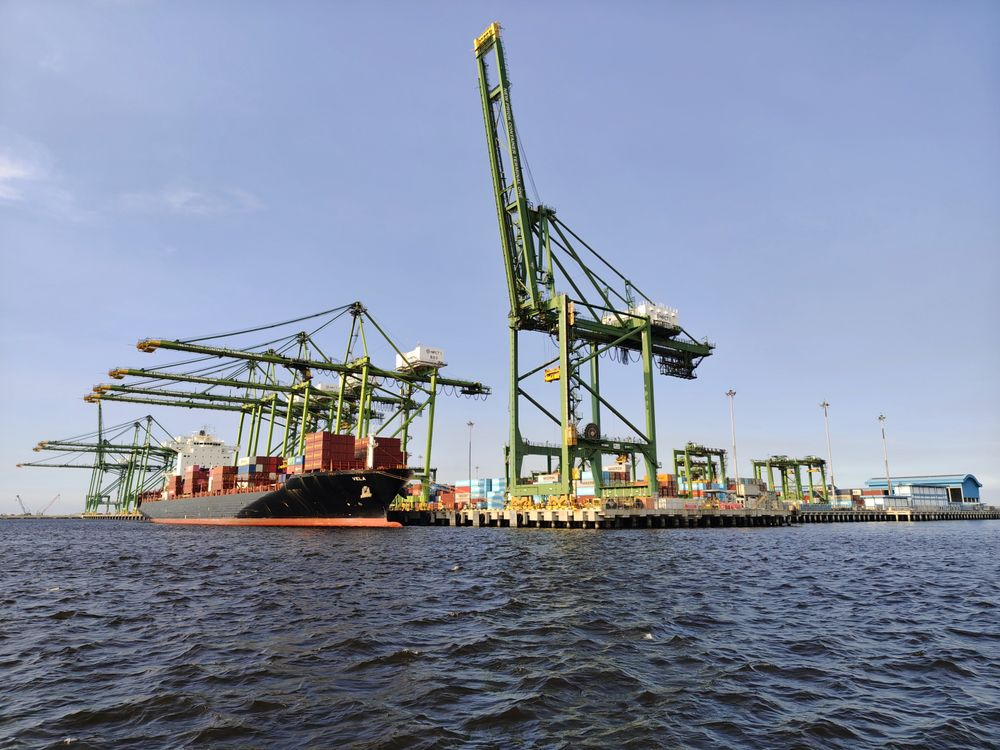
The package also extends UK restrictions to 12 vessels associated with the movement of Russian oil. The UK has specified 12 additional tankers linked to Russian oil movements, expanding the group of vessels subject to measures. A ship’s registration, identity, commercial operator and ownership can all be relevant when examining restrictions, particularly where trading structures or flags change. Listing a vessel does not establish that every other ship operated by a related business is subject to the same specific prohibition; the applicable legal instrument must be checked for the particular movement.
Alongside those ships, the government has designated the Russian oil companies Zarubezhneft and INK Capital. The government says its measures now cover more than 90% of Russia’s oil production capacity, but that is a statement about the capacity associated with sanctioned entities. It is not evidence that actual oil production has fallen by the same percentage. Physical output, trade flows and the effects of sanctions depend on market conditions, compliance and the availability of alternative trading arrangements.
Payment intermediaries form another link in these trading arrangements, and restrictions on them can interrupt transactions even when a transport route remains available. Banks, payment services and other organisations involved in settling transactions may be restricted, requiring companies to review whether money can lawfully pass through the intended parties. The latest measures include cryptocurrency exchanges and payment platforms identified by UK authorities. The legal restrictions must still be determined from the relevant listings rather than from broad descriptions of the sector involved.
To assess such transactions, businesses must reconcile information held in procurement, sales, transport and finance systems. An accurate supplier master record identifies the contractual counterparty, while shipment records may show exporters, consignees, forwarding agents and vessels. Product codes and supporting technical information help determine whether additional export controls apply. The records must be updated as sanctions lists change, and discrepancies can require further investigation before goods or payments are released.
The legislation may apply to activity in the United Kingdom and to UK persons operating overseas, while other jurisdictions can impose separate obligations on the same transaction. Companies need to assess the relevant rules rather than assume that compliance with one country’s system satisfies every requirement. The 8 October changes add named parties and ships to that framework. Their practical effect will depend on the goods, services, transport assets and commercial relationships involved in individual transactions, with subsequent official list updates controlling the applicable restrictions.