IN Brief:
- Noatum has established a dedicated Fairs and Events Logistics division.
- The division has teams across European locations, Greater China and the UAE.
- Its existing exhibition experience includes IDEX and NAVDEX in Abu Dhabi.
Noatum Logistics has launched a dedicated Fairs and Events Logistics division, placing its exhibition freight and venue handling activities within a business unit with separate leadership and an international growth strategy. The division has teams across Germany, Britain, Greater China, Benelux, the United Arab Emirates and Iberia, drawing on the company’s established freight forwarding and logistics network. The launch represents a change in organisational structure and service focus rather than an announcement that entirely new international freight infrastructure has been built.
The management team includes Lars Pohlmann as Senior Vice President and Global Head of Fairs and Events, Derek Cassidy in global product management, Luke Wrigley in operational processes and the UK, Christine Pan in Greater China and Ozkan Aksoy in business solutions and Benelux. These roles combine regional responsibility with central coordination. Noatum has not published a separate headcount, revenue target or investment budget for the division, so the size of the wider logistics company must not be presented as the staffing of this specialist unit.
Exhibition logistics differs from ordinary replenishment freight because the delivery date is tied to an event that cannot be moved to accommodate a late shipment. Machinery, demonstration equipment, stand materials and spare parts may need to arrive before a defined installation window and leave soon after an exhibition closes. The provider must coordinate transport bookings, customs documentation, venue access and local handling, often using several contractors in different countries.
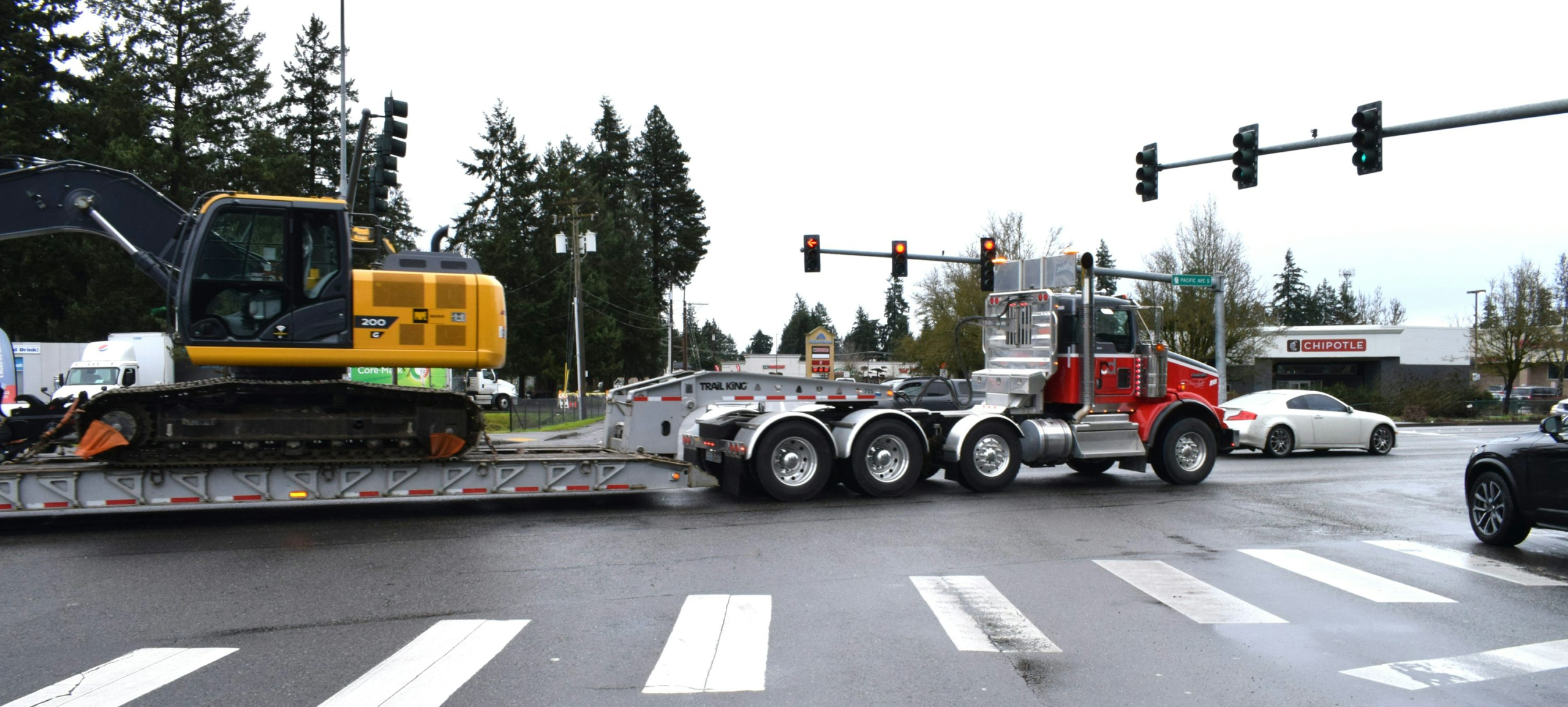
When exhibition equipment is heavy, oversized or difficult to lift, its movement can require controls beyond standard pallet handling. Machine dimensions, lifting points, packaging, centre of gravity and floor loading all influence how an item can be unloaded and positioned. The venue may permit freight vehicles to enter only during allocated time slots, and specialist lifting equipment may have to be booked in advance. An exhibition shipment that reaches the destination city on time can still miss installation if onward access or handling arrangements are incomplete.
Where an exhibit crosses a customs border, its documentation and temporary import status also need to match the planned use and return movement. Equipment may be shipped temporarily for demonstration and returned later, or moved onward to another country after the event. Depending on the goods and jurisdiction, temporary admission procedures may be available, but they require accurate records and compliance with their conditions. Consumable materials and goods intended for sale can have different customs treatment from equipment that will be returned. Noatum’s services are intended to coordinate these details with customers and local service partners.
Because exhibits may arrive from dozens of suppliers, a single event can require the consolidation of consignments originating from several countries. If individual shipments are booked without reference to installation priorities, essential parts may arrive after items that cannot be assembled without them. Consolidation and shipment tracking can help planners identify what is available and what remains in transit. Coordinating the individual consignments requires accurate equipment lists, agreed dates and reliable information from carriers, not simply from using a common commercial contact.
After an exhibition closes, the same equipment may need to be repacked, stored or transferred directly to another event. Equipment that has been installed and operated at the venue may need inspection and protective packing before it can be shipped again. Packaging that was suitable for the outward journey may have been damaged, and technical equipment can require checks before transport. Reusable exhibits create potential for repeated international movements during a year, making storage location and customs status relevant to the cost and timing of later events.
Noatum has an established record in exhibition logistics in the UAE, including support for IDEX and NAVDEX in Abu Dhabi. These are complex defence and maritime events involving a broad range of equipment and international participants. The company intends to extend the organisational model behind that experience into additional markets, although contracts for particular new events have not been identified in the launch announcement.
The division will draw on Noatum’s wider air freight, ocean freight, land transport and contract logistics capabilities. AD Ports Group describes the wider logistics operation as having approximately 4,250 professionals and 95 offices in 26 countries, supplemented by other network relationships. Those figures relate to the parent business, not exclusively to the new fairs and events unit. The difference is important when assessing whether the division has established new local operations or is using existing company resources.
By bringing international freight and venue handling under a dedicated management structure, Noatum intends to coordinate activities previously organised across different teams. International transport remains subject to carrier schedules, border procedures and local infrastructure, while venue handling depends on authorised access and suitable equipment. The new organisation cannot eliminate those constraints, but it can manage the information and sequence of services required for an event. The company has yet to identify additional contracted exhibitions or report measured handling performance under the new structure.