IN Brief:
- Teradyne Robotics and Sereact announced a formal partnership on 21 October to combine Cortex physical AI with Universal Robots collaborative arms.
- Existing deployments with CEVA Logistics for Zalando handle fashion returns at Greven in Germany and Świebodzin in Poland.
- The companies report hundreds of Universal Robots arms shipped in dual-arm systems across Europe; the demonstrated integration is not a confirmed Mobile Industrial Robots AMR integration.
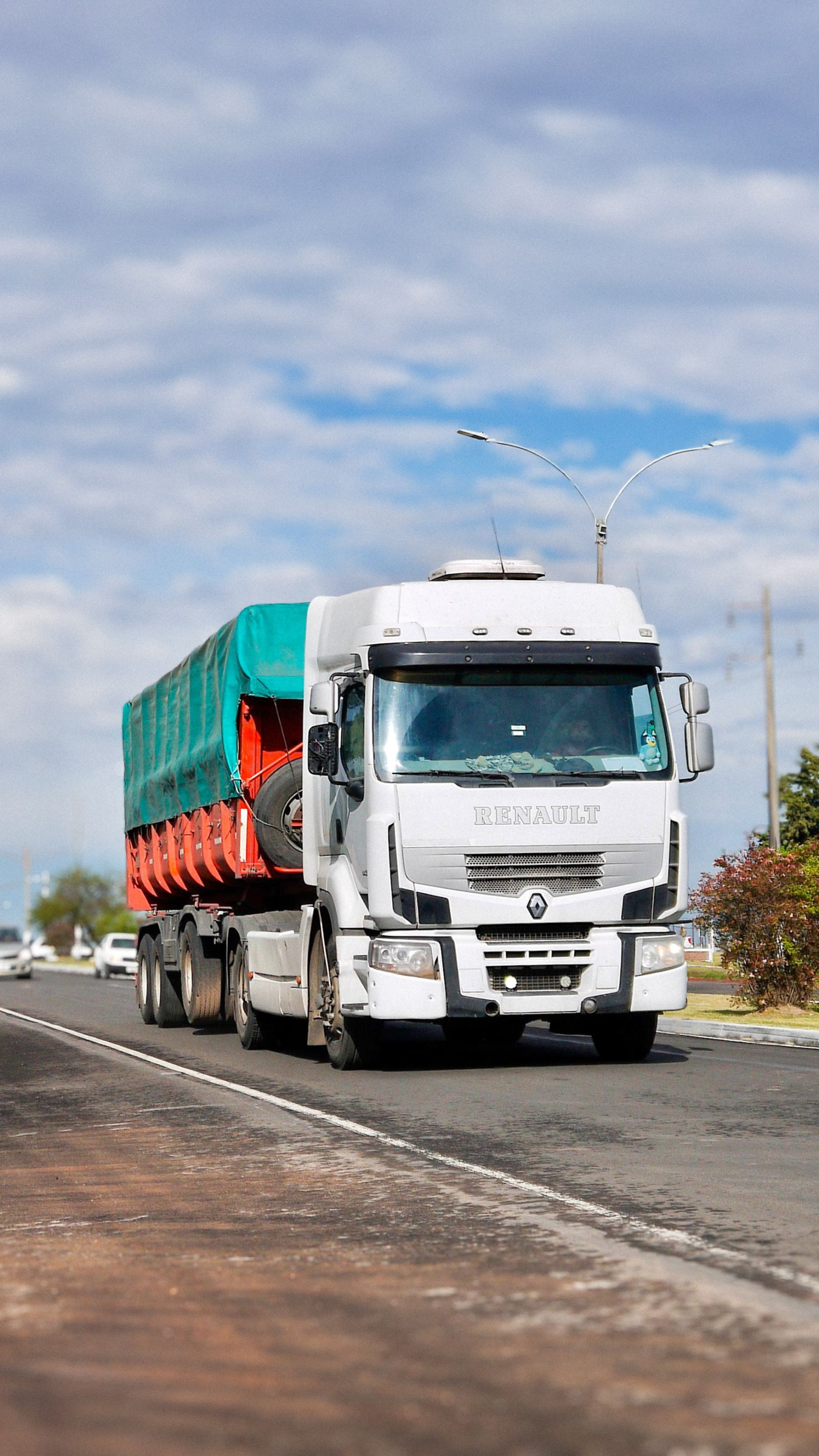
Teradyne Robotics and Sereact have formalised a partnership to combine collaborative robot arms with physical AI software for warehouse and manufacturing tasks, using operational returns handling for Zalando as an example of the integration. The arrangement brings Sereact’s Cortex platform together with robots supplied by Universal Robots, one of Teradyne Robotics’ two main brands. The companies say hundreds of Universal Robots arms have already been shipped in dual-arm systems to European customer sites, positioning the agreement around systems working in warehouses rather than a technology limited to laboratory demonstrations.
At the named European customer sites, dual-arm systems handle returned fashion items for Zalando in facilities operated with CEVA Logistics at Greven, Germany, and Świebodzin, Poland. Sereact supplies the Cortex software, while Universal Robots provides the articulated arms that manipulate the goods. Those installations entered live operation earlier in October under an existing collaboration. The development announced on 21 October is the formal agreement between Teradyne Robotics and Sereact to widen access to the combined technology; the earlier returns deployments must not be reported as installations completed under a newly signed contract.
Returned merchandise is an awkward automation task because goods arrive in inconsistent orientations, packaging can be damaged or partly open, and articles may be soft, folded or mixed with other objects. A robot performing a repetitive industrial operation can often rely on fixed part positions and predefined approach paths. By contrast, handling returned clothing requires identifying the object, estimating where it can be grasped, choosing a movement and checking the result even when the presentation differs from earlier examples. Changes in lighting, obscured labels and irregular container contents can complicate this process further.
Sereact describes Cortex as a vision-language-action model that converts visual observations and task instructions into actions for a robot. At NVIDIA GTC Berlin, the demonstration uses two Universal Robots UR12e-1300 arms to perform a returns handling task modelled on the live logistics applications. The partners say the software can handle previously unseen items without a separately programmed movement routine for each stock keeping unit. Gripper design, reach, collision safeguards and the position of articles entering the cell still set physical limits on what it can handle. Actual picks per hour and the number of exceptions requiring staff intervention have not been disclosed.
Teradyne Robotics also owns Mobile Industrial Robots, which manufactures autonomous mobile robots for moving materials through industrial facilities. Neither the announced returns deployment nor the joint demonstration establishes that Cortex has been integrated with a Mobile Industrial Robots vehicle. The disclosed hardware is Universal Robots’ collaborative arms. Transporting goods between stations and selecting, grasping and sorting items at a station are different operations, and combining them would require additional navigation, orchestration and safety validation evidence that the companies have not supplied.
The companies list store replenishment, piece picking, sortation, order induction, bin consolidation, kitting, packing and machine tending among the applications they intend to address. That list describes potential uses of the combined software and arm platform, not separately verified deployments in every setting. The partnership presentation at NVIDIA GTC Berlin demonstrates the returns application that is already being used in the CEVA and Zalando operations. Neither the release nor the named customer case provides an independently measured comparison of cost per item, cycle time, exception rate or sitewide inventory accuracy against conventional picking installations.
The commercial case for adaptable returns handling depends on more than successful grasping. A returned garment must be routed through several decisions, potentially involving inspection, identification, condition assessment, repackaging and release back into saleable inventory. Manipulation of the object is one part of this sequence. Linking the robot’s result to inventory and order systems determines whether goods are accurately reconciled and where exceptions should be sent for human review. The partners have shown that physical handling can be automated in named operations, but they have not said every stage of returns disposition has been fully automated.
Scaling the same model across different facilities introduces further questions about the variation in objects, presentation systems and operating conditions. A warehouse dealing primarily with fashion accessories may need different grippers and conveyor arrangements from a mixed industrial spare-parts operation. Safety assessments must account for collaborative arms operating near staff and the equipment feeding objects into a cell. Software can reduce the need for individually scripted movements, but site commissioning still requires performance testing, maintenance planning and an exception-handling process that keeps inventory records correct.
The partners plan to expand the technology through Teradyne Robotics’ integrator and distribution channels, with further European deployments and a later US commercial push. They have not given a confirmed timetable for new American customer sites or comparative productivity results from different product categories. The immediate evidence is narrower: a formal software and robot arm partnership, several named European returns installations already operating, and company-reported shipments of hundreds of Universal Robots arms for dual-arm systems. The scale of additional deployments and the performance achieved with other goods will require separate operating data.