IN Brief:
- CNC vessel MV Arionas called at Cagayan de Oro on 16 October 2026 and handled 350 import and 350 export containers.
- Another CNC vessel, MV Heng Hui 5, called on 6 October and handled additional import and export containers.
- The calls form part of efforts by the Philippine Ports Authority, local port operator, customs authorities and CMA CGM to revive international box traffic.
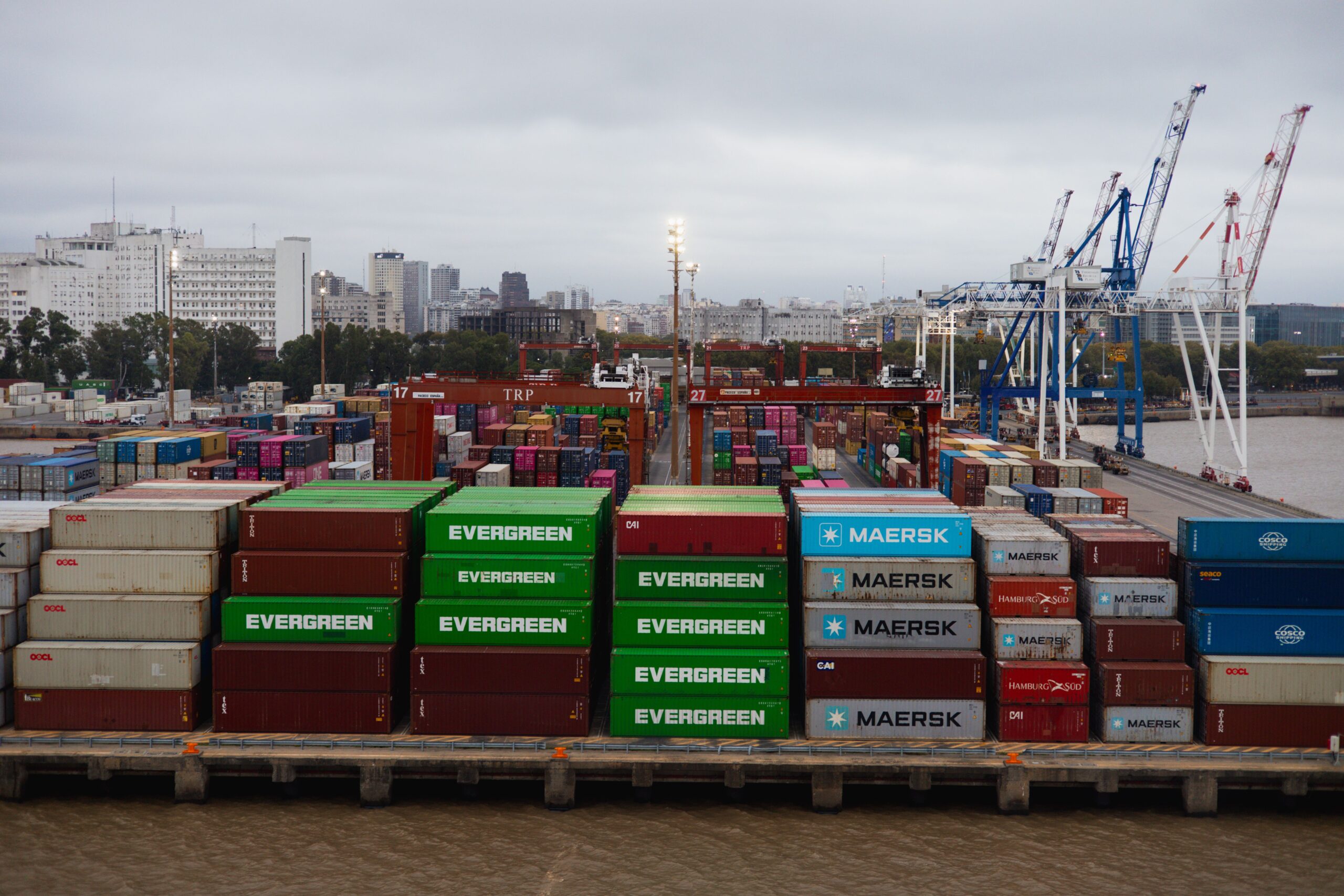
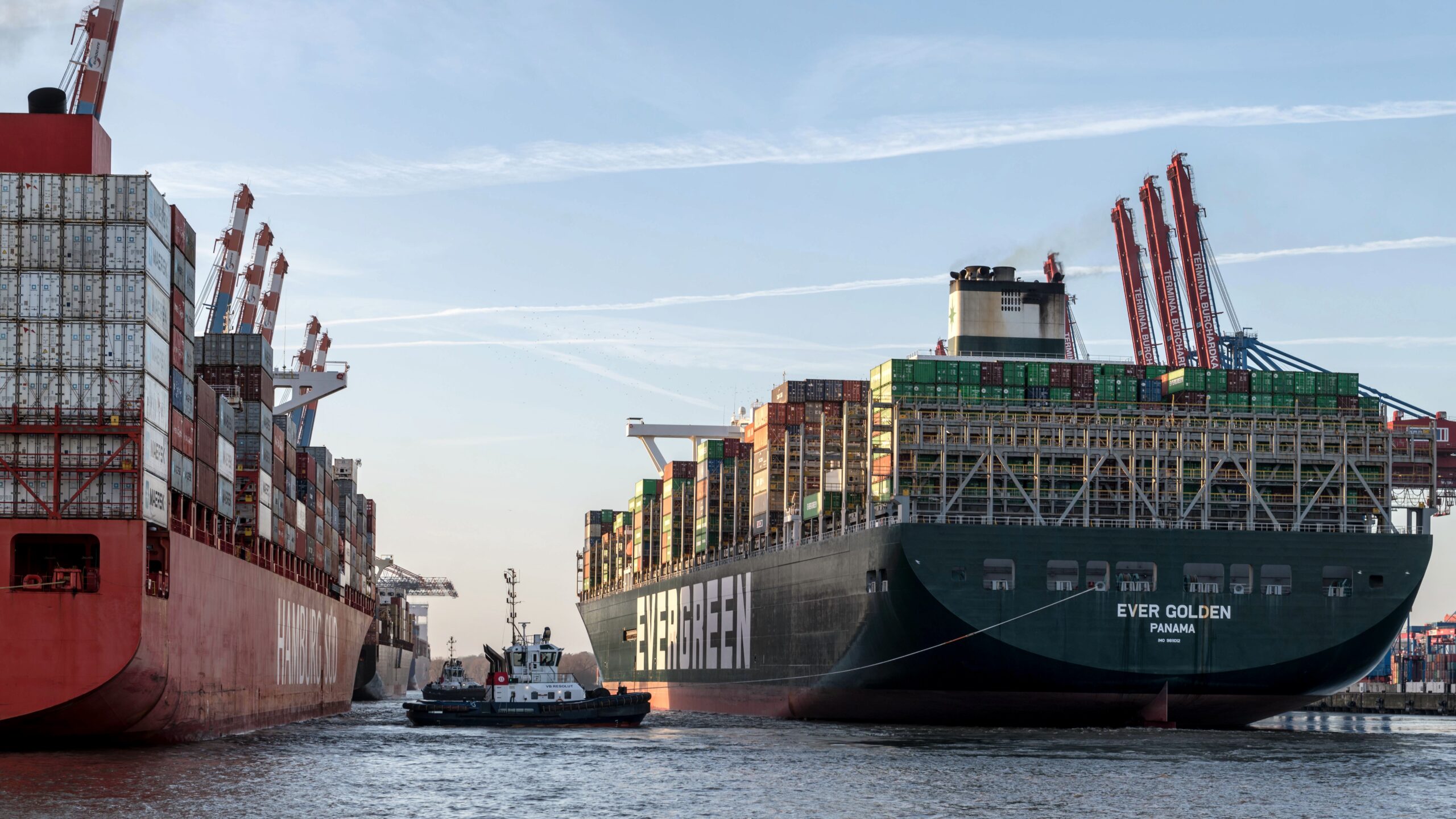
The Philippine Ports Authority has confirmed new international container vessel calls at Cagayan de Oro, where an intra-Asian service operated by Cheng Lie Navigation Company is bringing import and export boxes through the northern Mindanao gateway. The latest confirmed call in the available port statement was MV Arionas on 16 October 2026. It followed another service call earlier in the month, marking practical progress in the effort to revive overseas container handling at the port rather than a new terminal construction proposal.
On 16 October, MV Arionas, reported at 17,785 gross tonnage, discharged 350 containers and loaded a further 350. These figures describe counts of containers, not necessarily twenty-foot equivalent units, because the proportion of twenty-foot and forty-foot boxes has not been stated. The total of 700 handled boxes cannot be translated into TEU without knowing their sizes; a forty-foot container normally counts as two TEU. The direct operational point is that the vessel worked both inbound and outbound cargo on the same call.
Cheng Lie Navigation Company, commonly known as CNC and part of the CMA CGM group, operates intra-Asian container services. The reported Arionas call is associated with its China South East Express service, which links South China and the Philippines. A vessel call provides a connection to that wider network, although the existence of one call does not mean every destination is available on a direct sailing. Cargo may still depend on onward connections at another port, and booked transit time must be confirmed against an actual service itinerary.
The earlier ship, MV Heng Hui 5, made a call on 6 October after arriving from China. It discharged 114 containers and loaded 1,235 before continuing towards South Korea, according to the port figures reported for the event. The disparity between imports and exports on the earlier call shows why one combined handling total would conceal important differences between cargo flows. Import requirements, available empty equipment, export demand and carrier equipment positioning decisions can produce very different flows on consecutive calls or different vessels.
The renewed international handling activity involves the Bureau of Customs office at Cagayan de Oro, local terminal operator Oroport Cargo Handling Services and CNC’s parent company CMA CGM. A viable container service requires coordinated vessel calls, customs clearance, terminal gate operations and inland movements. Importers and exporters also need customs systems, yard allocation, equipment availability, gate processes and an inland road network able to support reliable delivery and collection. Failure in one of those steps can remove much of the advantage offered by a new sailing connection.
Cagayan de Oro serves commercial and industrial activity across northern Mindanao, where shippers have an interest in connecting agricultural and manufactured goods with regional maritime routes. A container service can reduce reliance on moving every consignment through more distant gateways if enough cargo can be assembled locally and appropriate calls are maintained. The potential cost and time benefits will differ by shipper, origin and destination. Neither the initial calls nor the announcement establishes a quantified reduction in freight rates, port dwell time or inland haulage distances for individual customers.
International container handling introduces operating demands beyond those of a domestic feeder movement. Cargo owners need accurate bills of lading, customs declarations and container identification, with export cut-off times aligned to vessel arrival and terminal operations. Import releases must also be coordinated with delivery appointments and empty container returns. Manufacturing importers need vessel and container event data to coordinate component deliveries with production schedules, particularly when onward inland transport is constrained. Those systems become increasingly important if the port begins to receive a more regular pattern of overseas calls.
The October calls confirm physical import and export handling; neither the port report nor the carrier evidence establishes an indefinite service frequency. A permanent route requires commercial volumes sufficient to support repeated vessel deployment and operating arrangements at both ends. The public information does not give a guaranteed weekly frequency, minimum cargo commitment or fixed annual throughput target. Future cargo bookings depend on confirmed sailings, terminal receiving windows and transhipment connections, rather than a frequency inferred from two calls.
The Philippines has several port gateways serving different islands and markets, and shipping lines balance them according to cargo volumes, berth availability and wider network rotations. Repeated international calls could provide northern Mindanao with more direct routing choices, but dependable service depends on both vessel continuity and sufficient two-way cargo demand. The 6 and 16 October vessel movements establish that the port has handled renewed overseas container traffic; subsequent calls and the volume of returning cargo will establish whether the connection develops into a dependable distribution channel.