IN Brief:
- Mammoet Canada Eastern, Port of Argentia and Argentia Capital signed an MOU announced on 21 October.
- A Tugdock Submersible Platform is being considered alongside the port’s existing marine infrastructure.
- An expression of interest process is planned to identify an operator; funding, construction and opening remain uncommitted.
Featured image: Mammoet/Port of Argentia.
Mammoet Canada Eastern, Port of Argentia and Argentia Capital have signed a memorandum of understanding to advance a proposed floating dry dock and marine repair facility in Newfoundland and Labrador. The partners intend to combine modular submersible platform technology with the port’s existing infrastructure while assessing whether a multi-client maintenance operation is technically and commercially viable.
The agreement was announced on 21 October 2026 and sets out a development programme rather than a commitment to begin building the facility. The next planned step is an expression of interest process to identify a marine industrial operator with the experience required to manage repair and servicing activity. Financing, a construction schedule and an opening date remain undecided.
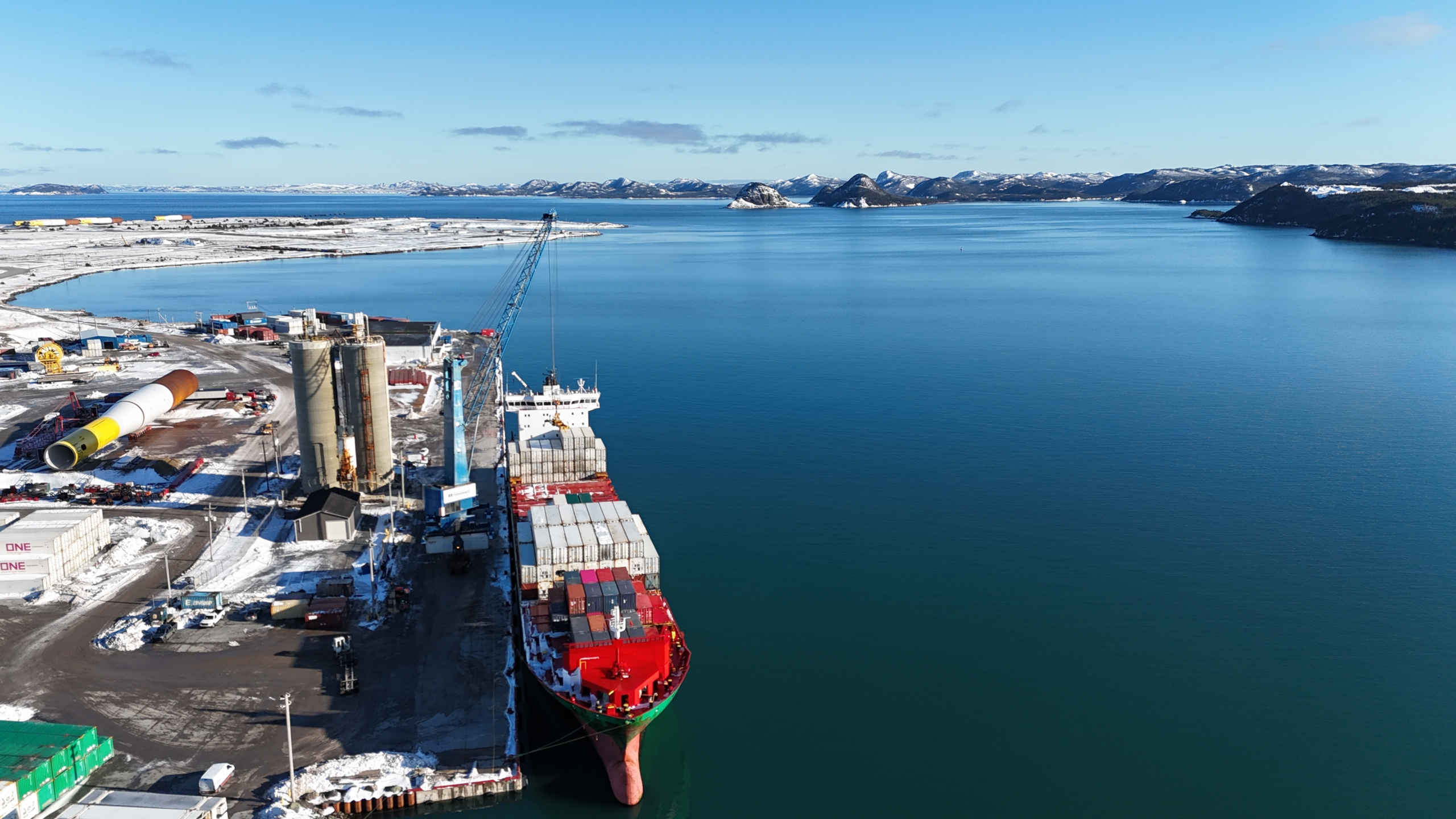
Port of Argentia occupies an industrial site on Placentia Bay, with deep-water, ice-free harbour access, land available for marine activity and infrastructure associated with the former Cenovus Graving Dock. Those assets provide the setting in which the partners will examine how an additional floating operation could be accommodated.
Their proposed technical approach centres on the Submersible Platform developed by Tugdock, a Mammoet subsidiary. The platform comprises connected modular structural elements incorporating buoyancy units, allowing a working surface to be lowered and raised in the water through controlled changes in buoyancy.
Air is released from the units to lower the structure, and restoring buoyancy raises it again. In a suitable configuration, that movement can support the transfer of heavy marine structures or provide access to equipment ordinarily below the waterline. Stability and load distribution must be controlled throughout the operation, particularly as weight moves onto or away from the platform.
Because the modular elements can be assembled in different arrangements, the technology has applications beyond a single permanent dock configuration. Tugdock has developed it for handling large offshore wind structures and other heavy marine operations, with the Argentia partners now examining its potential for vessel repair and maintenance.
The size and capacity of the proposed Argentia installation have not been specified. Published dimensions or lifting figures for other Tugdock systems cannot be applied to this project without a completed design, since suitable configurations depend on vessel displacement, hull geometry, structural support and operating conditions at the site.
Dry docking enables inspection and maintenance of a vessel’s hull and other areas ordinarily submerged during service. Conventional graving docks use fixed shore infrastructure, whereas a floating system can lower a supporting structure into position and raise the vessel under controlled conditions. The practical repair work still requires appropriate access, equipment and safe operating procedures.
That process involves several engineering decisions before an operator can accept a particular vessel. Its weight must be supported at suitable locations, with stability maintained as buoyancy changes. Environmental conditions, water depth and the availability of lifting and maintenance services also affect whether the operation can proceed safely.
Port of Argentia’s established industrial land and marine connections could support equipment handling and associated shore services. The partners also identify separation from residential areas as a potential advantage for extended industrial working hours, although operational permissions and environmental requirements would still need to be determined through the applicable procedures.
Mammoet has already worked at Argentia through activity associated with the graving dock and offshore wind marshalling projects. This relationship provides site experience relevant to the proposal, while the company’s engineering and heavy transport operations could contribute to moving large structures or specialist equipment if development progresses.
The prospective customer base includes commercial vessel operators, the Canadian Coast Guard, the Royal Canadian Navy, offshore oil and gas businesses and offshore wind developers. Their maintenance requirements vary, so a facility serving multiple sectors would need to establish which vessel types, inspections and industrial services its completed configuration could accommodate.
A commercial ship might require routine hull and machinery work, whereas specialist government vessels can involve different access, safety and certification requirements. Offshore energy equipment may present additional handling challenges because of its dimensions and lifting arrangements. The partners have not announced committed repair contracts or a defined list of vessels approved for the proposed platform.
Argentia Capital is participating in the development assessment, with the wider objective of expanding marine industry activity at the port. The regional workforce has experience in marine construction and heavy industry, but the memorandum does not contain a confirmed staffing requirement or a forecast of jobs created.
As the next development step, the planned expression of interest process will seek an experienced operator able to identify the services and resources required for a viable multi-client facility. Its assessment could influence the eventual platform configuration, supporting infrastructure and investment structure, making operator selection a step before rather than after the principal development decisions.
Further engineering and financial work must establish whether the proposed system meets the needs of likely customers and can operate within the port’s conditions. The signed agreement brings the partners together to examine that opportunity, while the construction and operation of a floating dry dock remain dependent on decisions that have not yet been made.