IN Brief:
- At least nine merchant vessels were struck or lost near Romanian and Bulgarian waters between 5 and 28 October.
- Maritime drones and aircraft threats are increasing exposure for grain, tanker and container movements near Black Sea and Danube routes.
- NATO plans additional surveillance assets, while vessel operators must reassess voyage, crew and port-call risks.
Commercial shipping in the western Black Sea is facing a wider range of direct threats following a series of drone attacks near Romania and Bulgaria. At least nine cargo ships, tankers and other vessels were struck, damaged or sunk between 5 and 28 October, with attacks extending into the waters around two NATO member states. The incidents have affected vessels moving through approaches that connect Black Sea ports, the Danube delta and international commodity markets.
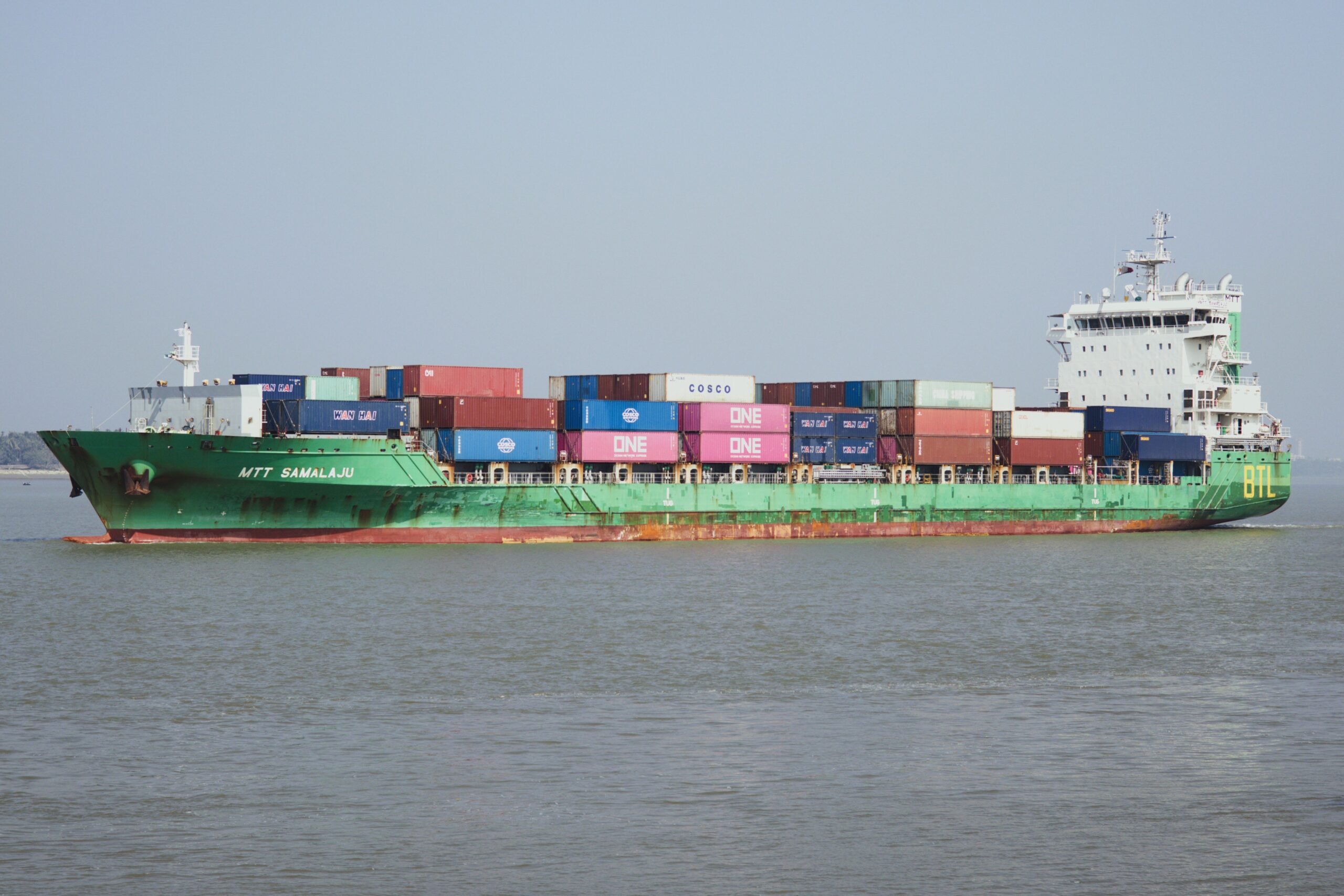
The latest escalation includes the loss of Contship Jet on 28 October. The Greek-owned, Liberian-flagged container ship was hit by three maritime drones in Bulgaria’s exclusive economic zone while travelling towards Constanța, Romania. Its 18 crew members were rescued by Bulgarian services, but the loss of a vessel carrying hundreds of containers underlines the difficulty of securing a commercial voyage once an attack has occurred. The loss disrupted a scheduled container movement between Haifa and Constanța and required a search-and-rescue operation in the approach waters.
Other attacks involved general cargo and grain vessels in the same broad area. The Royad Mammadov was struck south of the Romanian Danube coast on 5 October, causing two deaths. On 13 October the Chelsea 3, a cargo vessel used for grain transport, was damaged near Bulgaria. A chemical and oil tanker, Yara J, was hit on 14 October within Romanian territorial waters near Sulina. The incidents span different vessel types and cargo chains rather than a single commodity service or shipping line.
The attacks have occurred in territorial waters, exclusive economic zones and approaches used by ships bound for regional ports. Those areas have different legal regimes: a coastal state’s territorial sea falls under its sovereignty, while an exclusive economic zone gives it defined economic rights rather than the same authority over all shipping. Yet a vessel proceeding towards Constanța or a Danube anchorage must navigate the physical threat regardless of the maritime boundary. National coastguards and naval authorities consequently need to coordinate surveillance, warnings and rescue arrangements across the approaches.
Following the October strikes, NATO pledged additional maritime patrol aircraft, radar and drones to reinforce monitoring around the western Black Sea, together with intelligence and specialist support. Better coverage can help authorities detect suspicious craft, alert shipping and locate casualties. Vessels still depend on the operating conditions of individual routes and the assistance available from coastal states; the announced surveillance measures do not amount to routine escorts for all merchant movements. Romanian and Bulgarian authorities are combining these measures with their own maritime security arrangements.
The concentration of incidents near Romania and Bulgaria forms part of a broader escalation. Maritime security company Ambrey counted 317 vessels hit in the Black Sea and Sea of Azov between May and October, against 74 during the preceding six months, according to Reuters’ account of its analysis. That is a combined regional figure covering both seas and both sides of the conflict, rather than the nine incidents reported near Romania and Bulgaria in October alone. Distinguishing those datasets is necessary when assessing the exposure of specific port approaches and vessel types.
Voyage decisions must now account for the risk encountered between open water, anchorages and the berth, including the possibility of an attack while a vessel is proceeding at reduced speed. Charterers need loading dates and reliable arrival estimates, while shipowners consider crew safety, navigational advice, insurance conditions and whether a diversion is practicable. A delayed arrival can leave cargo in a terminal or inland storage longer than planned, affecting the next vessel’s berth window and the transport reserved to meet it. These consequences depend on each voyage’s location and contract rather than a single region-wide delay figure.
The Danube corridor connects Ukrainian agricultural exports with seagoing vessels through river channels and transhipment facilities. When traffic slows near those approaches, grain may remain in storage or on barges while exporters seek another loading slot; alternative river, road or rail movements also have capacity limits. Tanker and container services use different berths, equipment and documentation, but they face similar scheduling difficulties when a port call becomes uncertain. The cargo already committed to a vessel cannot always be transferred to another sailing without rebooking handling and onward transport.
Constanța’s role as a regional gateway places the surrounding approaches alongside other infrastructure needing protection. In August, Romanian forces responded to a maritime drone sighting near the Neptun Deep offshore gas project; in a separate earlier incident, a drone detonated near an oil terminal at Constanța. Neither episode should be conflated with the October merchant-vessel strikes. Together they show why port, energy and shipping authorities monitor threats across fixed installations as well as the sea lanes used by commercial traffic.
Additional surveillance is being deployed around exposed Romanian and Bulgarian approaches after the October ship attacks. Freight operations still depend on the conditions of individual voyages and the latest port and security instructions, with disruption capable of reaching inland storage and transport bookings. The next decisions concern safe vessel approaches, assistance available if a threat emerges, and the loading or delivery windows still achievable for cargo already committed to a route.