IN Brief:
- Ocean Network Express issued war risk surcharge notices on 2 November for Bulgaria, Georgia and Romania.
- The carrier specifies 8 November 2026 as the effective date in two separate customer advisories.
- The confirmed notices establish the charge and territory, while detailed rates and booking applicability require the attached tariff schedules.
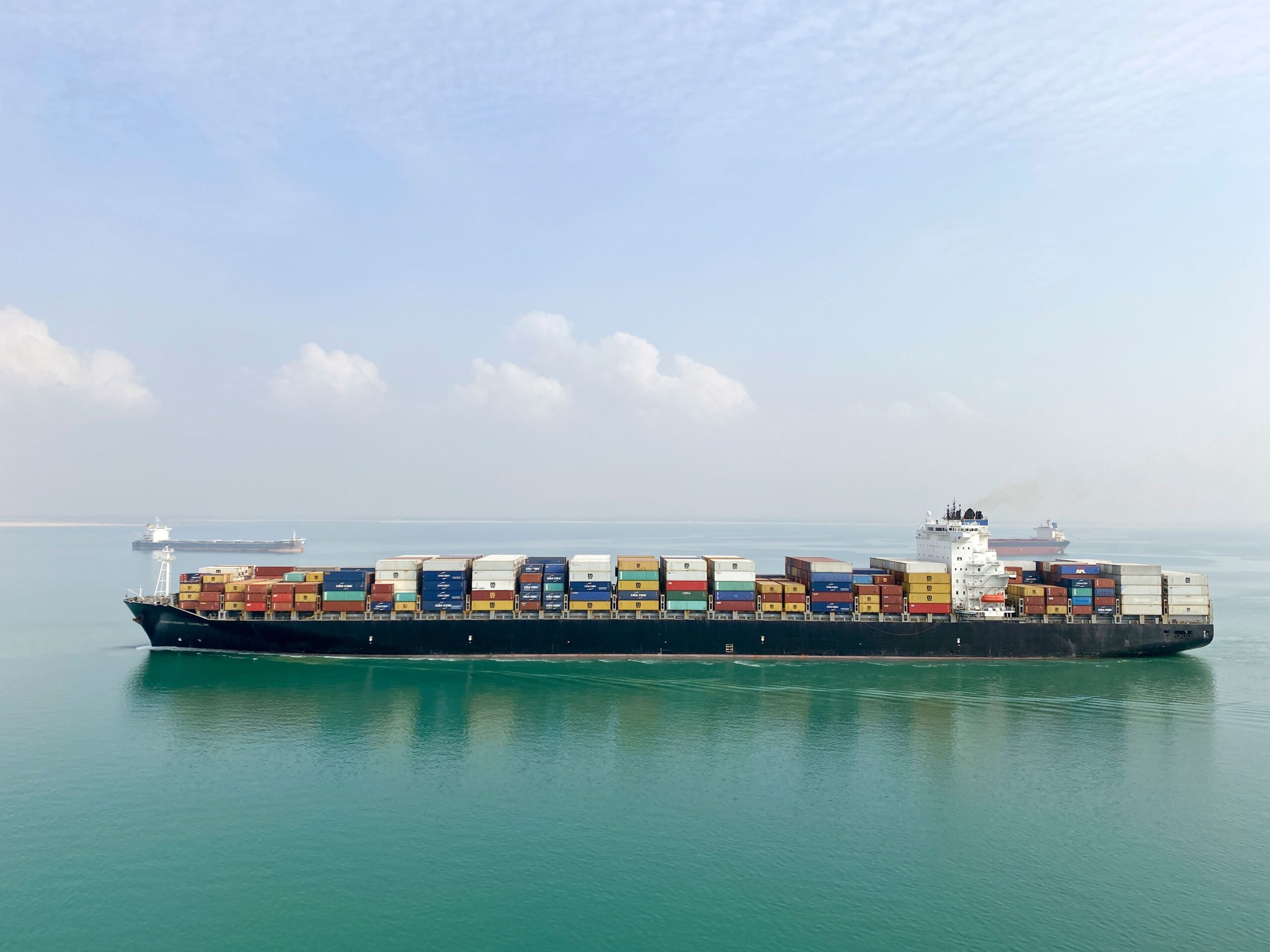
Ocean Network Express (ONE) has announced war risk surcharges affecting cargo involving Bulgaria, Georgia and Romania, with the measures scheduled to take effect on 8 November 2026. Two customer advisories dated 2 November separate Bulgaria and Georgia from Romania, while using the same War Risk Surcharge designation. The decision establishes a specific pricing response for container cargo connected with the Black Sea rather than a general change to the carrier’s worldwide freight tariffs.
The two notices group Bulgaria and Georgia together and cover Romania separately, both with the same 8 November effective date. Individual quotations will depend on the detailed tariff schedules linked to those notices, including the applicable movement and equipment terms. A country name in a surcharge notice therefore identifies the market concerned, while the associated rate provisions determine what a particular booking will incur. The country-level notices do not themselves provide one uniform amount that can be applied across all three markets.
A war risk surcharge forms one component of the ocean freight price alongside the base rate and other applicable handling or inland charges. It can alter the landed cost of an import or the delivered price of an export even when the underlying freight service remains unchanged. Freight procurement teams comparing carriers consequently need the total charge for the same origin, destination, container type and sailing. Existing contracts may allocate responsibility for separately published surcharges differently from spot bookings, making the governing agreement relevant to each shipment.
The new pricing dates follow a series of attacks on merchant shipping near Romania and Bulgaria during October. Among the losses was the container ship Contship Jet, struck by maritime drones on 28 October while heading towards Constanța. Incidents involving tankers and other cargo vessels have also increased the attention paid to exposed port approaches. The attacks provide the wider security context; ONE’s two customer advisories establish the specific surcharge decisions and their start date.
Georgia’s inclusion connects the policy to another part of the Black Sea freight network, beyond the waters off Romania and Bulgaria. Georgian ports serve Caucasus and trans-Caspian cargo connections, while Constanța and Bulgarian gateways connect to distinct European road and rail corridors. The cost faced by an individual shipper depends on the service and tariff route used, particularly where an import or export moves through a transhipment port. Different inland destinations and feeder arrangements can therefore produce different total costs even when the relevant country appears in the same advisory.
The effective date is especially relevant to cargo being prepared for shipment during the first week of November. A container may have left a factory, reached an inland terminal or been delivered to the port before its ocean movement takes place. The booking confirmation, tariff validity and allocation of freight charges under the sales contract determine which party needs to account for a subsequent surcharge. Exporters and forwarders will need to match the published start date to those commercial records before revising a customer quote or shipment budget.
Contracted freight and spot freight may respond differently. A shipper purchasing individual sailings can compare its next quotation with the new charge included, while a longer-term contract must be read for any pass-through provisions. Forwarders handling several carriers need to reconcile each operator’s rate basis rather than compare only headline sea freight. For time-sensitive production materials or orders already committed to customers, late changes to total transport cost may also require decisions on whether to retain the planned routing.
A separate surcharge change illustrates the need for carrier-specific comparisons. CMA CGM has separately announced a war risk charge of US$35 per TEU for cargo to and from Black Sea countries from 9 November. Its primary notice specifies 1 December instead for the United States and its territories, Australia, New Zealand and Latin American countries where regulatory filings apply. Those figures and dates belong to CMA CGM and must not be applied to ONE shipments. Carrier comparisons need to account for both the rate and the applicable cargo and implementation terms.
ONE’s announced change concerns the pricing of applicable movements rather than the cancellation of all services to the three countries. Sailing schedules, available port calls and any temporary operational restrictions still determine whether cargo can move on the intended itinerary. A quotation may therefore need separate checks of both transport availability and the relevant freight and surcharge terms, particularly on routes that use regional feeder services or onward road and rail transport.
From 8 November, cargo owners and forwarders booking applicable ONE services involving Bulgaria, Georgia or Romania must account for the new war risk surcharge under the carrier’s tariff conditions. The next practical step is to check shipment-specific charges against equipment, origin, destination and contract terms before confirming the delivered cost. Carriers’ operating advisories will remain a separate source for changes to sailing availability as security conditions develop.