IN Brief:
- Kuehne+Nagel figures cited on 3 November put average vessel waits at 7.25 days at Khorfakkan and 8.86 days at Fujairah.
- Container transfers from those gateways to other regional destinations have reportedly lengthened from about five days to 12–15 days.
- Maersk has temporarily restricted bookings, while Hapag-Lloyd reports differing berth delays and yard conditions across Gulf ports.
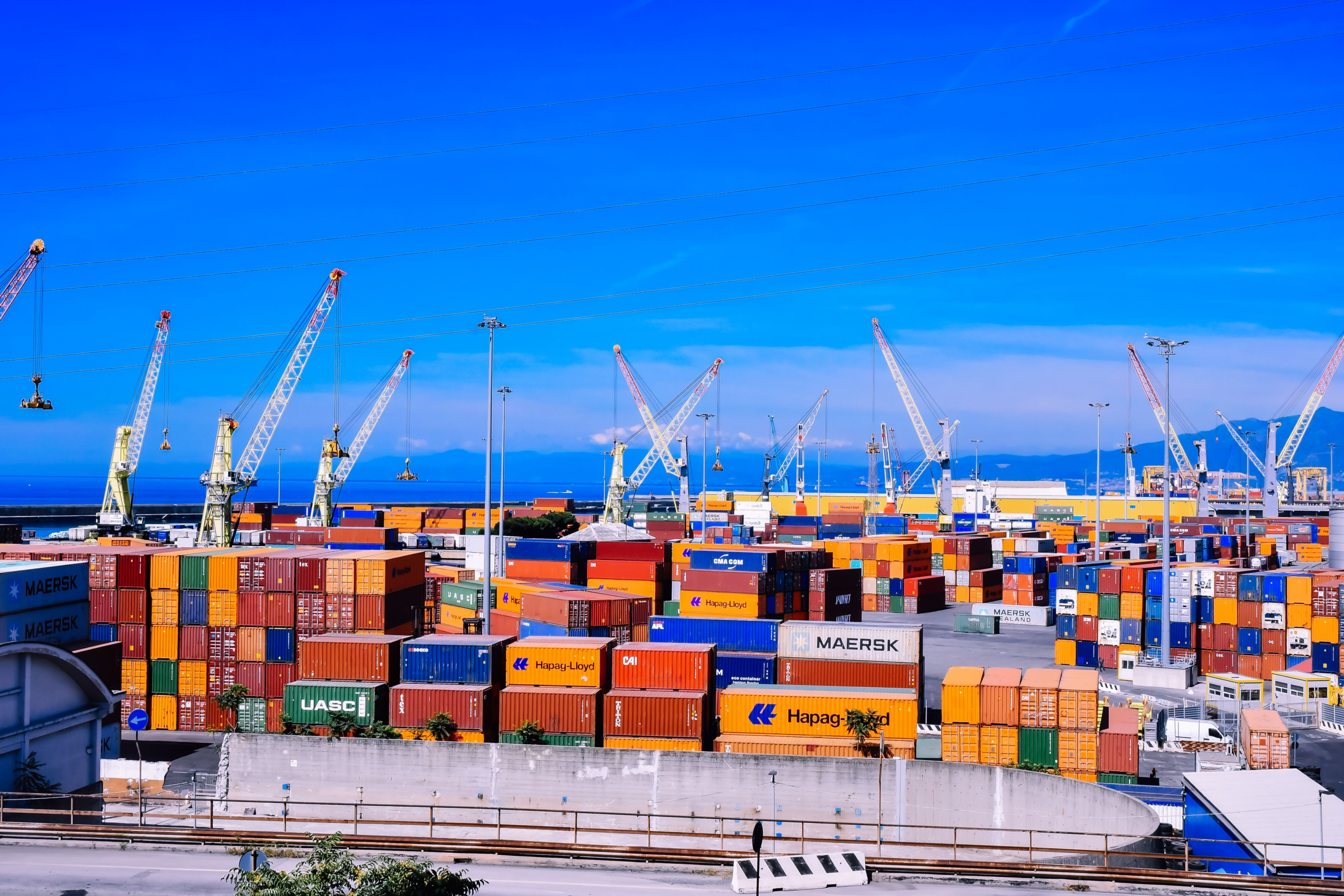
Container port congestion across parts of the Middle East has intensified, with vessel delays stretching beyond a week at some of the regional gateways handling diverted cargo. Shipping consultancy Linerlytica described congestion in the region as reaching a record in its latest weekly assessment, reported on 3 November. The disruption is particularly severe at Khorfakkan and Fujairah, where carriers and inland transport providers are managing rerouted cargo against limited berth and onward transfer capacity.
Kuehne+Nagel’s port update, using data as of 30 October, records average vessel waits of 7.25 days at Khor Fakkan and 8.86 days at Fujairah over the measured period. At Sharjah, vessels were waiting around three days for a berth. The figures measure different gateways and reporting intervals, rather than a single delay applying across the Gulf. Khor Fakkan vessels also arrived an average of 7.4 days behind schedule over 30 days and left 5.7 days late, extending disruption into subsequent port calls.
Cargo can remain delayed after the ship reaches a berth. Kuehne+Nagel reports that transfers from Khor Fakkan and Fujairah to Jebel Ali, Sharjah, and Abu Dhabi are taking around 12–15 days, against approximately five days before the congestion intensified. That movement includes the terminal release and onward transport needed to reach another gateway or the consignee’s agreed handover point. A discharged container therefore may still occupy yard space or await a transfer slot, preventing the ocean arrival milestone from serving as an accurate delivery forecast.
The concentration of diverted traffic is particularly evident at Khor Fakkan. Linerlytica reported that MSC is deploying vessels of around 24,000 TEU on an expanded Far East–Middle East service calling at the port. When a large vessel discharges several groups of boxes in a short window, crane productivity is only one constraint: the yard must provide stacking positions and later retrieve individual containers in the sequence required by road vehicles or feeders. Limited onward capacity can lengthen dwell times even after the quay operation has finished.
Other ports are operating under different conditions. Hapag-Lloyd reported that Salalah in Oman had yard density of up to 84% and berthing delays of up to 36 hours in its 30 October operational update. Sohar faced waits of two to three days, while Jeddah’s yard density stood at approximately 76%. Its update listed Dammam and Umm Qasr without current berth delays, although operating plans there remained subject to case-by-case review and the continuing regional situation.
Port capacity differs across the region, making individual terminal advisories more useful than one regional congestion figure. Yard density describes pressure on storage and retrieval space, whereas berth waiting time concerns when a ship can begin its cargo operation. High occupancy may reduce the flexibility to segregate special cargo or reorganise containers for collection. A vessel can also wait for a berth when yard space remains available if equipment, vessel arrivals, or the operating window prevents it from being worked promptly. Both conditions influence the accuracy of onward transport bookings.
Maersk introduced temporary booking restrictions on 30 October for Khor Fakkan, Fujairah, and selected Upper Gulf destinations. The carrier said new bookings would be accepted according to available capacity, while existing affected bookings would be reviewed individually with customers. Cargo already in transit remains subject to delays, and a revised booking does not automatically carry forward onto a later sailing. Shippers must therefore establish the specific onward movement and delivery plan rather than assume that an original transit estimate is still valid.
The booking restrictions coincide with rising inland transfer times, so changing a port of discharge can transfer the bottleneck rather than remove it. An alternative route may involve another terminal handling event, a longer truck journey, or a different customs handover. These steps affect the final delivery date and the allocation of transport and storage charges under the customer’s existing contract. Forwarders must confirm that onward haulage and cargo acceptance are available before treating a revised arrival port as a workable substitute.
Manufacturers receiving imported inputs face a sequence of milestones during the disruption: arrival offshore, berthing, discharge, customs release, terminal exit, and final collection. Delays between those events can be material even when a vessel tracking system marks the shipment as having reached its destination port. At affected gateways, supply planners are consequently having to align production and inventory decisions with container-level release information and the carrier’s latest arrangements rather than a general port arrival estimate.
Linerlytica expects additional vessel capacity to be directed towards Middle Eastern trades despite weaker freight conditions elsewhere. Whether that worsens or relieves congestion will depend on the relationship between arriving container volume, berth productivity, yard space, and inland clearance. The next measurable changes will be average vessel waiting times, transfer dwell, and the duration of carrier booking controls at Khor Fakkan, Fujairah, and nearby gateways.