IN Brief:
- FedEx has opened a 15,500 sq m road freight hub at Alzenau in Germany, incorporating 32 loading bays and parking for 50 trailers.
- The adapted building handles freight, bulky consignments, and parcels, with approximately 85 regional jobs expected.
- Alzenau becomes FedEx's fourth German road hub within a European network connecting approximately 700 locations across 45 countries.
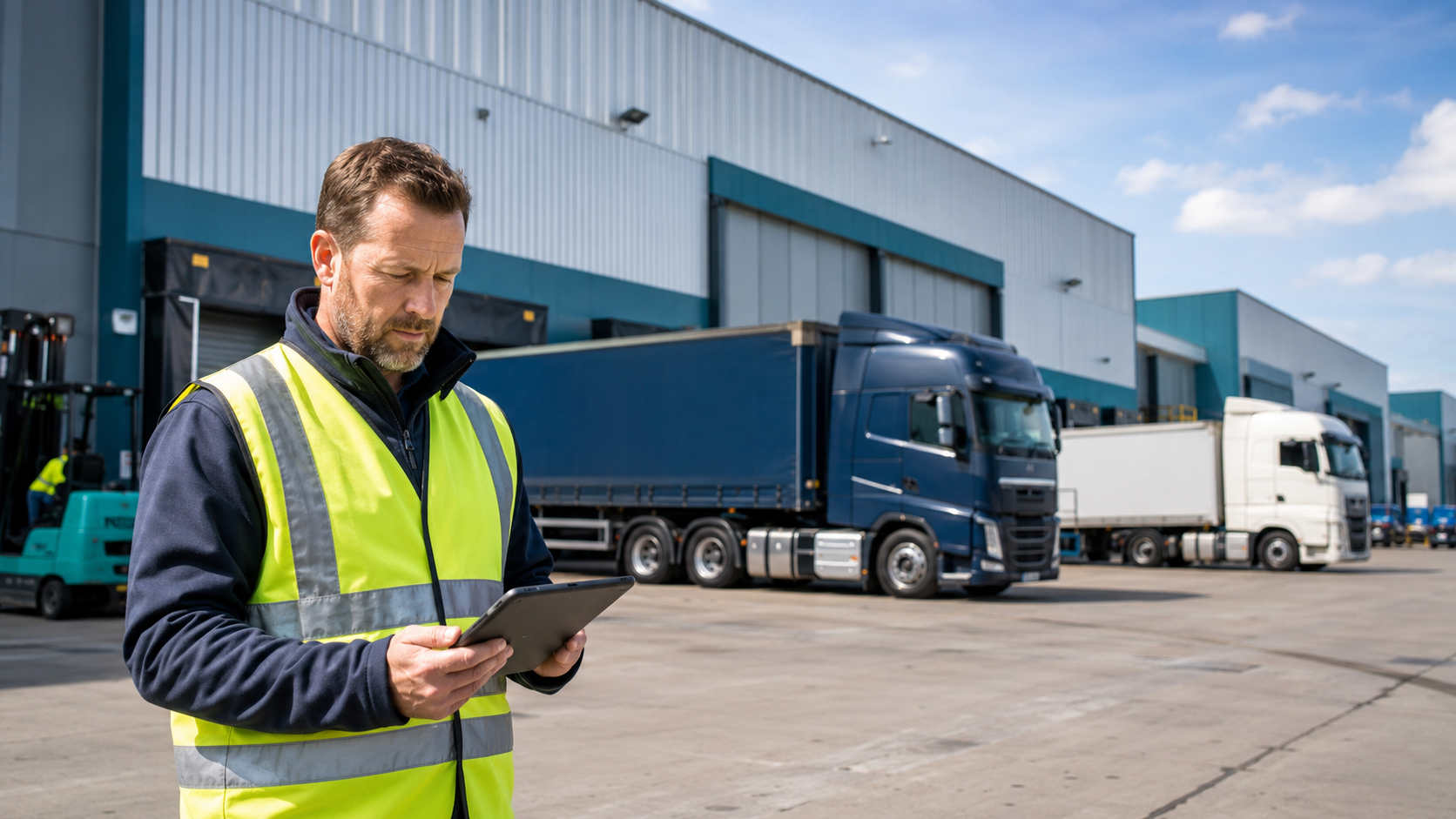
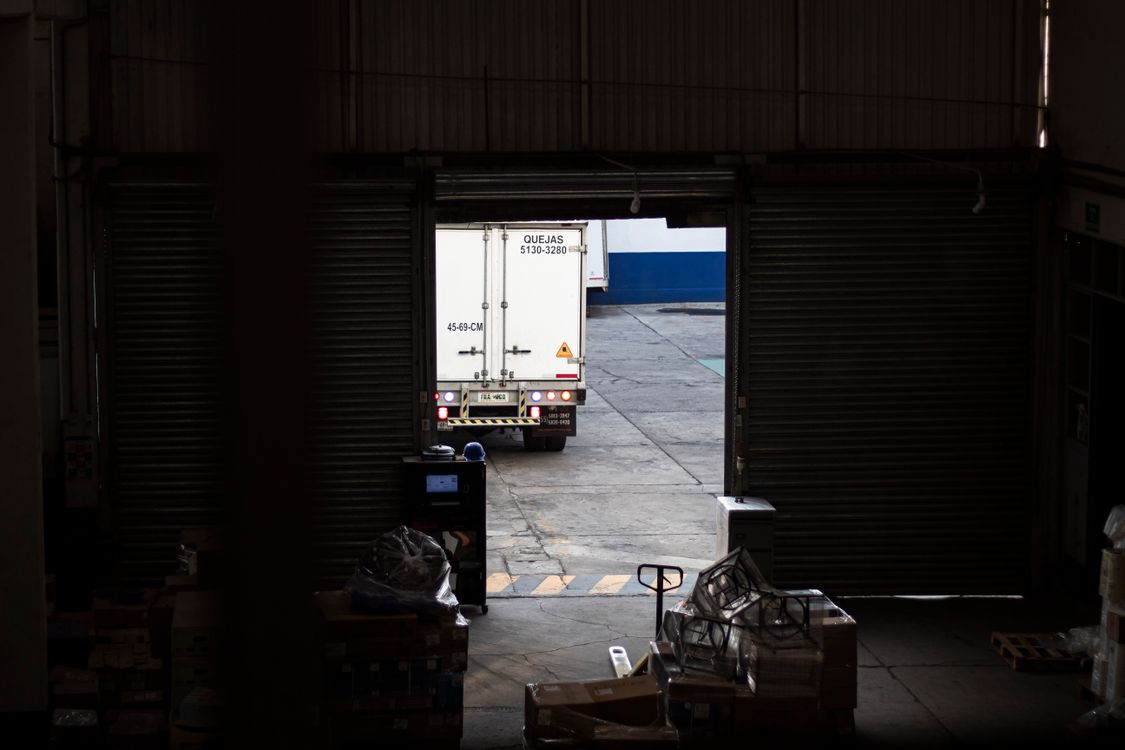
FedEx has opened a road freight hub in Alzenau, Germany, adding approximately 15,500 sq m of warehouse space to its European transport network. The facility incorporates 32 loading bays, parking for 50 trailers, and handling equipment for freight, bulky consignments, and parcels. It is intended to strengthen domestic and cross-border connections as the company prepares for additional shipment volumes during the year-end period.
The new hub occupies an existing building in the Süd B30 industrial area of Lower Franconia, east of Frankfurt am Main. FedEx has installed additional sorting and handling equipment to adapt the property for freight transfer operations. The opening is expected to create approximately 85 jobs in the region, although the company has not specified how many positions are already filled or the distribution of employees between warehouse and transport functions.
Alzenau has access to the A3 and A45 motorways, providing connections towards major German industrial and commercial areas. Its position in the Rhine-Main region allows freight collected locally to enter the wider road network while providing another transfer point for goods moving between European countries. The site also benefits from proximity to other FedEx facilities, allowing its operations to be coordinated with the company’s existing infrastructure.
A road freight hub differs from a conventional storage warehouse because goods generally move through it as part of an onward transport process. Incoming vehicles deliver consignments that are unloaded, identified, sorted by destination or connecting service, and transferred to outbound vehicles. Although freight may remain temporarily within the building, the operation is principally organised around the timing and sequencing of arrivals and departures.
The 32 loading bays provide the interfaces between the warehouse and trailers moving through the network. Their availability determines how many vehicles can be positioned for loading or unloading at the same time, although actual handling capacity also depends on staffing, equipment, shipment volumes, and the time required to process each vehicle. Parking for 50 trailers provides additional space for managing equipment outside the loading positions.
FedEx has equipped the facility to handle freight and non-conveyable consignments alongside ordinary parcels. The distinction affects warehouse operations because bulky or irregularly shaped goods cannot always be processed through systems designed for standard parcel dimensions. Such items may require separate handling areas, equipment suitable for their size and weight, or different loading procedures before they can enter an onward road service.
Sorting equipment can help organise those flows, but FedEx has not disclosed the manufacturer, precise configuration, or throughput capacity of the installed systems. The available information establishes the types of consignments the hub is intended to process without supporting a specific claim about parcels handled per hour, the percentage of automated movements, or the amount of labour saved by the investment.
Alzenau becomes the company’s fourth road hub in Germany, joining Hanover, Nuremberg, and Wiesbaden. These locations form part of a European network connecting approximately 700 locations and gateways across 45 countries. The network allows consignments originating at different collection points to be consolidated and moved through selected hubs before reaching the facilities responsible for their next transport or delivery stage.
Consolidation is particularly important where the volume of freight moving between individual locations is insufficient to justify a dedicated vehicle for every origin-and-destination combination. Combining consignments into larger outbound movements can make better use of available vehicle capacity, while sorting at a hub separates the loads for their subsequent routes. The operating result depends on how accurately shipments are identified and whether incoming freight reaches the facility before the relevant departure cut-off.
The Alzenau investment also broadens the handling arrangements available within FedEx’s German infrastructure. A shipment of industrial components may have different dimensions and processing requirements from a small commercial parcel, even if both are moving towards the same regional distribution area. The ability to accommodate several consignment types at one location gives the operator more options when arranging their transfers, although each shipment remains subject to the relevant service conditions.
Seasonal peaks place additional demands on such networks because freight volumes and collection patterns can become less predictable. A facility may receive concentrated arrivals during particular periods of the day, while departures have to remain aligned with transport schedules elsewhere in Europe. Additional loading bays, handling space, and trailer parking can support the management of those peaks, but their contribution will depend on the actual volume processed and the staffing available.
Using an existing building has allowed FedEx to expand its operational footprint through adaptation rather than relying entirely on a newly constructed logistics site. The company has not published the cost of the investment, the extent of construction work, or a comparison with the capacity of its other German hubs. The Alzenau opening can therefore be described as an infrastructure expansion without assigning an unsupported financial value or productivity improvement to it.
The new location also requires integration with existing vehicle schedules. Inbound freight must be allocated to appropriate outbound movements, while delays on one route may affect the availability of goods for another. Maintaining accurate shipment records and predictable transfer times is particularly important where goods cross national borders or connect with transport services operating to fixed departure schedules.
FedEx’s European network covers markets with differing delivery geographies, industrial activity, and transport requirements. A hub in the Rhine-Main region provides another point through which these flows can be organised, but the company has not announced specific new road services or published revised transit times attributable to Alzenau. The availability of particular connections must therefore be established from the commercial service information rather than inferred from the facility’s location.
The opening adds handling space and trailer capacity ahead of the year-end trading period. Approximately 85 jobs are planned, and the site is equipped for a combination of parcels, freight, and bulky goods. Its operational contribution will be established through integration into FedEx’s existing road schedules and the volume of consignments processed as the new hub enters regular use.