IN Brief:
- Congestion at Thai Airways' Suvarnabhumi cargo warehouse is delaying imports and interfering with outbound freight handling.
- Airports of Thailand has allocated additional storage, while the airline is adding handling equipment, employees, and shipment-location tracking.
- Temporary restrictions imposed by other carriers are limiting some Bangkok-bound shipments as the backlog remains unresolved.
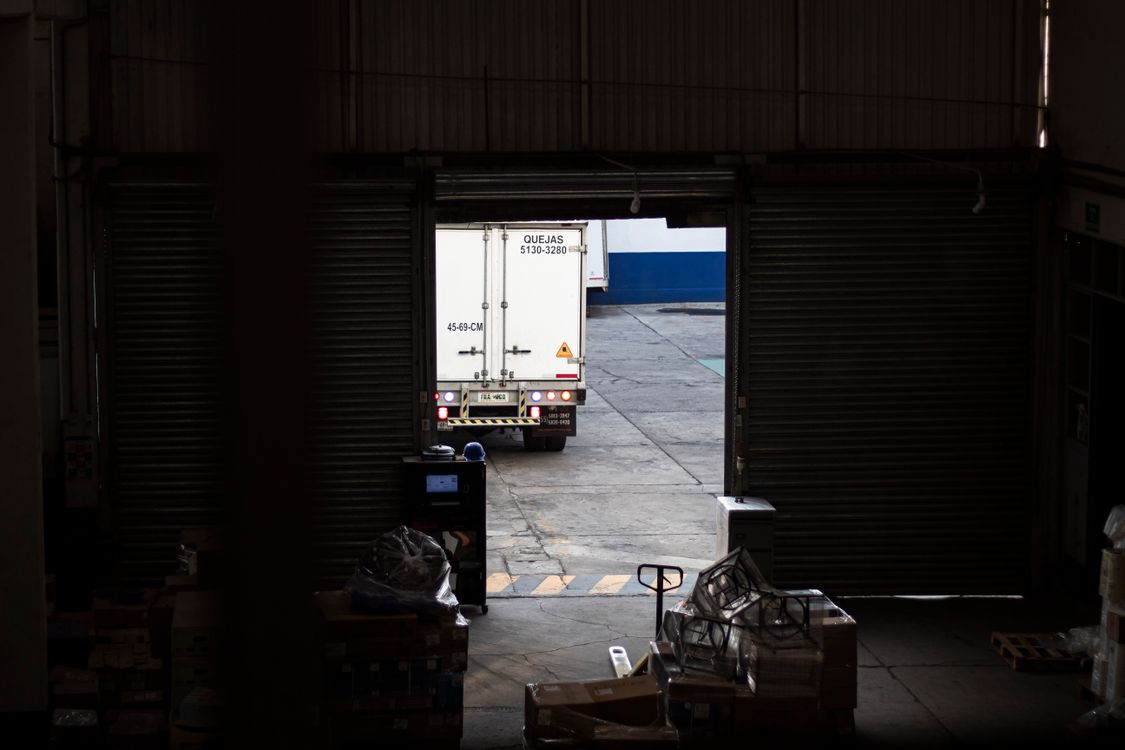
A backlog at Thai Airways‘ cargo warehouse at Bangkok’s Suvarnabhumi Airport is disrupting imports and outbound freight, with other airlines restricting some shipments destined for the airport. Airports of Thailand (AOT) said on 9 November that it had made additional storage space available and was working with the carrier and customs authorities on arrangements to clear accumulated cargo.
AOT has allocated Warehouse 4 in the airport’s free zone for oversized freight, creating space outside the congested handling areas. The operator is also discussing the possible use of additional storage for international imports. Those discussions have not been reported as a completed expansion of storage capacity, and neither AOT nor Thai Airways has confirmed when the backlog will be cleared.
The disruption began following flooding and staff shortages in late September. Thai Airways suspended cargo acceptance at its Suvarnabhumi warehouse from 30 September to 6 October, but normal intake resumed before all delayed freight had been processed. Incoming shipments subsequently accumulated, leaving unit load devices (ULDs) awaiting breakdown and storage, and consignments remaining in the warehouse well after the aircraft carrying them had arrived.
ULDs are the containers and pallets used to consolidate freight for aircraft loading. After an aircraft lands, a handling agent must unload those units, separate consignments where necessary, record their identities, and place them in designated storage areas before collection. If the breakdown or location-recording stages fail to keep pace with arrivals, containers remain occupied and warehouse space becomes progressively harder to manage.
Airline accounts circulated last week described more than 1,000 cargo lots awaiting release and between 700 and 800 pallets awaiting breakdown. The figures have not been officially confirmed, so they should not be treated as a verified current inventory of the backlog. They nevertheless explain the scale of concern among forwarders trying to arrange collection and establish which consignments are actually ready for release.
Freight agents have reported that incomplete or inaccurate location records are compounding the physical congestion. The Thai Airfreight Forwarders Association has urged improvements to the handling system, including reliable updates when cargo progresses from awaiting breakdown to an identified warehouse location. Without that information, a truck can arrive for collection even though staff cannot locate the shipment or release it through the normal process.
In its 6 November update, Thai Airways said it was adding staff and forklifts, seeking further storage space, and implementing a system to record cargo locations through successive handling stages. The improvements address different constraints: extra staff and handling equipment can increase physical processing capacity, while scanning and location records are needed to make individual consignments retrievable. Expanding floor space alone would not resolve errors in the warehouse inventory record.
AOT is supporting coordination through its Cargo Clearhouse system, with work under way to link cargo tags and handling information to the wider tracking platform. More dependable status data would help agents distinguish consignments still awaiting breakdown from those released for collection. The operator has also been reviewing inbound and outbound volumes so that additional intervention can be considered if congestion persists.
The delays are no longer confined to imported freight waiting for collection. ULDs held in an import warehouse cannot be returned promptly to the equipment pool used for subsequent flights. Outbound shipments also require handling space, acceptance checks, weighing, consolidation, and delivery to the aircraft. A persistent backlog at one stage can therefore reduce the capacity available elsewhere in the cargo operation.
Cathay Cargo has imposed temporary restrictions on certain Bangkok-bound shipments until at least 15 November, favouring freight that arrives in intact units and does not need to be broken down locally, subject to specified exemptions. Singapore Airlines Cargo has also issued restrictions for selected shipments. These are carrier-specific measures and do not amount to a complete closure of Suvarnabhumi Airport to air freight.
Imported components can reach Bangkok on their booked flight yet remain unavailable for onward movement while sorting and release procedures are incomplete. An aircraft’s arrival time therefore cannot be treated as the point when goods become available to a factory or distribution operation. Some importers have reported production disruption while waiting for goods, although the scale of affected factory output has not been independently quantified.
Thai Airways has prioritised older consignments, including shipments that arrived before 23 October, while continuing to handle new arrivals. Freight forwarders have called for clearer communication and accurate status information to reduce unsuccessful collection attempts. Rebooking cargo through another airline or airport may be possible for some shipments, but that decision depends on actual acceptance rules, handling capacity, customs arrangements, and onward transport connections.
No official date has been given for returning the warehouse to normal operations. AOT’s latest measures provide additional handling space, while the airline’s staffing and tracking changes target the processes that have prevented freight being identified and released. The practical measure of recovery will be the reduction of outstanding consignments, the return of ULDs to circulation, and the resumption of predictable collection and export acceptance.