IN Brief:
- Napier Port has activated a private 5G network and is testing its first battery-electric terminal truck.
- Its container terminal transformation programme has entered operational testing, with autonomous truck and trailer movements targeted for 2027.
- Revenue increased 11.7% to NZ$176.2 million in the 2026 financial year, although total container throughput remained unchanged.
Napier Port is testing its first battery-electric truck as it prepares to introduce autonomous truck and trailer movements at its New Zealand container terminal during 2027. The port has activated a private 5G communications network and moved its container terminal transformation programme into operational testing.
The developments form part of a wider investment programme covering container handling, terminal infrastructure, and supporting systems. Napier Port confirmed the latest progress alongside its financial results for the year ended 30 September 2026. The autonomous transport operation remains a planned development, with the company yet to announce that driverless trucks are carrying containers in regular commercial service.
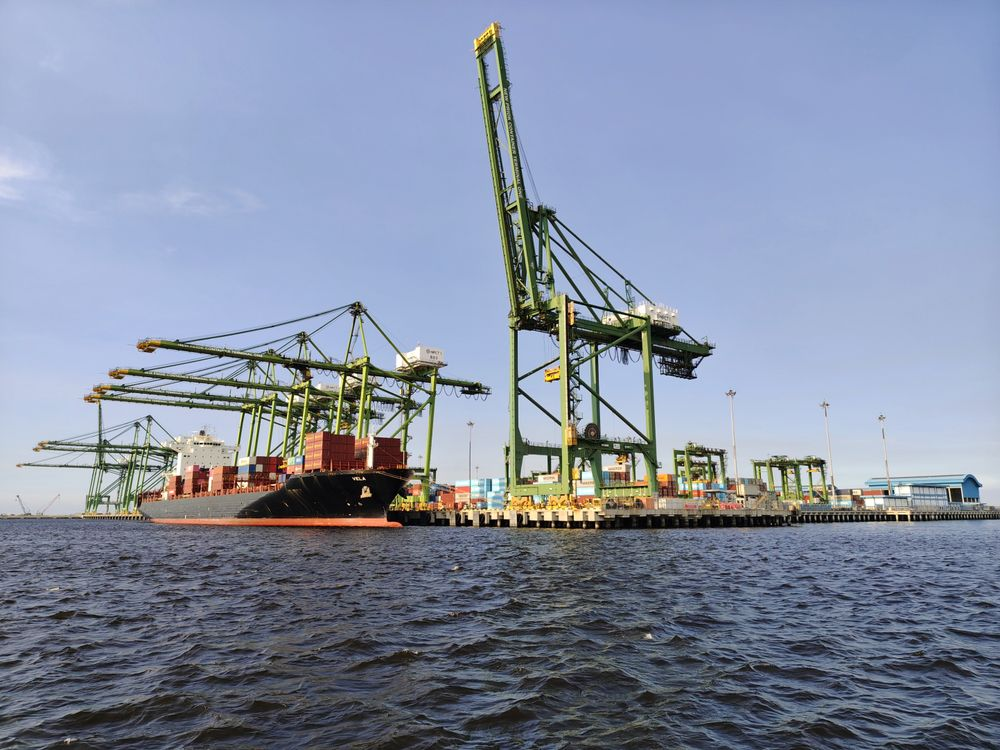
Container terminals depend on reliable transport between quay cranes, storage areas, and the points where cargo leaves the port. A container discharged from a vessel must be transferred to an appropriate yard position or prepared for onward collection. The equipment carrying out those movements operates alongside cranes, road vehicles, and workers undertaking inspection, maintenance, and other terminal duties.
Battery-electric trucks can replace diesel-powered vehicles for suitable movements, reducing exhaust emissions at the point of operation. Their practicality depends on the weight of the loads being carried, available battery capacity, charging arrangements, and the number of operating hours required between charging periods. These considerations become more demanding where terminal equipment works across extended shifts or must accommodate unpredictable vessel arrival patterns.
Napier Port’s first electric truck is currently undergoing testing. The company has not published its battery capacity, operating range, energy consumption, or charging time, making it premature to calculate the vehicle’s potential contribution to fleet-wide emissions or operating costs. The trial will provide an opportunity to assess its suitability for the actual movements required within the port.
Autonomous operation introduces a separate set of requirements. A vehicle travelling without a driver must receive instructions, identify its position, and move safely within a designated operating environment. It also needs to recognise or respond to hazards, manage interactions with other equipment, and stop safely when an instruction cannot be completed.
Terminal operations provide a structured environment for automation, but their layout and operating conditions can still change during a working shift. Container stacks may restrict visibility, vehicles can occupy shared transfer positions, and maintenance work can temporarily close routes. An autonomous vehicle system must account for these interruptions rather than assuming that every planned movement can proceed without obstruction.
Vehicle-mounted sensors and local control functions can support navigation and obstacle detection, while terminal management systems coordinate movement requests and operating priorities. The precise equipment selected for Napier Port’s intended autonomous vehicles has not been disclosed. Their operational limits, permitted routes, and arrangements for human intervention will need to be established through commissioning and safety procedures.
The port’s private 5G network provides communications infrastructure for its developing digital operation. Such networks can support data exchange between mobile equipment and central management systems, although their specific responsibilities depend on the architecture selected. Activating the network is a preparatory milestone rather than evidence that the autonomous transport operation has already been commissioned.
Napier Port’s container terminal transformation programme, known as NPT, has entered operational testing. This allows processes and equipment to be assessed before the proposed introduction of autonomous truck and trailer movements. The company has not announced how many vehicles it intends to deploy during 2027 or the proportion of container movements expected to become automated in the initial phase.
Integration with existing operations will influence how quickly the new system can be introduced. Quay cranes need vehicles at particular times, while yard equipment must have space and capacity to receive the containers being delivered. Automated transport also has to coexist with conventional equipment wherever the terminal continues using both operating methods. Uncoordinated movements could create delays even if individual vehicles perform their assigned tasks correctly.
Energy infrastructure will also affect vehicle availability. Battery-electric equipment requires charging facilities suited to the duty cycle and the electrical demand of the fleet. Charging activity must be incorporated into the operating schedule so that enough vehicles remain available during vessel handling peaks. The port has not yet disclosed the charging configuration intended for a wider autonomous fleet.
The investment programme includes other operational improvements. Napier Port’s ShoreTension mooring system has entered service at 6 Wharf, while Kapuka, a dredge vessel jointly owned with Port Otago, has been launched. These projects address separate parts of the port’s marine operation, complementing the investment in container handling infrastructure.
Its Viewpoint supply chain services business also reported a record year. The company attributed the result partly to additional customers from outside Hawke’s Bay moving cargo through Napier, much of it using rail connections between Napier and Palmerston North. Those inland movements require coordination with port operations so that containers are available for their planned departure and collection arrangements.
Napier Port’s financial results show that revenue increased 11.7% to NZ$176.2 million, while the result from operating activities rose 17.9% to NZ$75.7 million. Container services revenue grew 18.9%, supported by commercial and cargo mix factors, although total annual container volume was unchanged. The result demonstrates higher revenue without a corresponding increase in the number of containers handled.
Those figures provide an operating baseline before the autonomous vehicle programme enters regular service. Any future productivity improvement will need to be assessed separately from changes in tariffs, customer activity, and cargo composition. Equipment availability, movements completed per shift, energy consumption, and handling costs would provide more direct measures of the new transport system’s performance.
The company is targeting autonomous truck and trailer operations during 2027, following the current testing programme. The next milestones will be confirmation of the vehicle configuration, completion of operational and safety testing, and the introduction of controlled autonomous movements within the terminal. The first electric truck and live 5G network establish preparation for that transition, but its commercial operating results remain to be demonstrated.