IN Brief:
- Wuhan's 500th China–Europe freight departure of 2026 carried Hubei-manufactured electric vehicle components towards Moscow on 20 November.
- The network has dispatched 454,800 tonnes of cargo this year, a reported increase of 44.2% on the equivalent 2025 period.
- Dongfeng vehicle and component shipments accounted for 38 trainloads and 3,522 TEU between January and October.
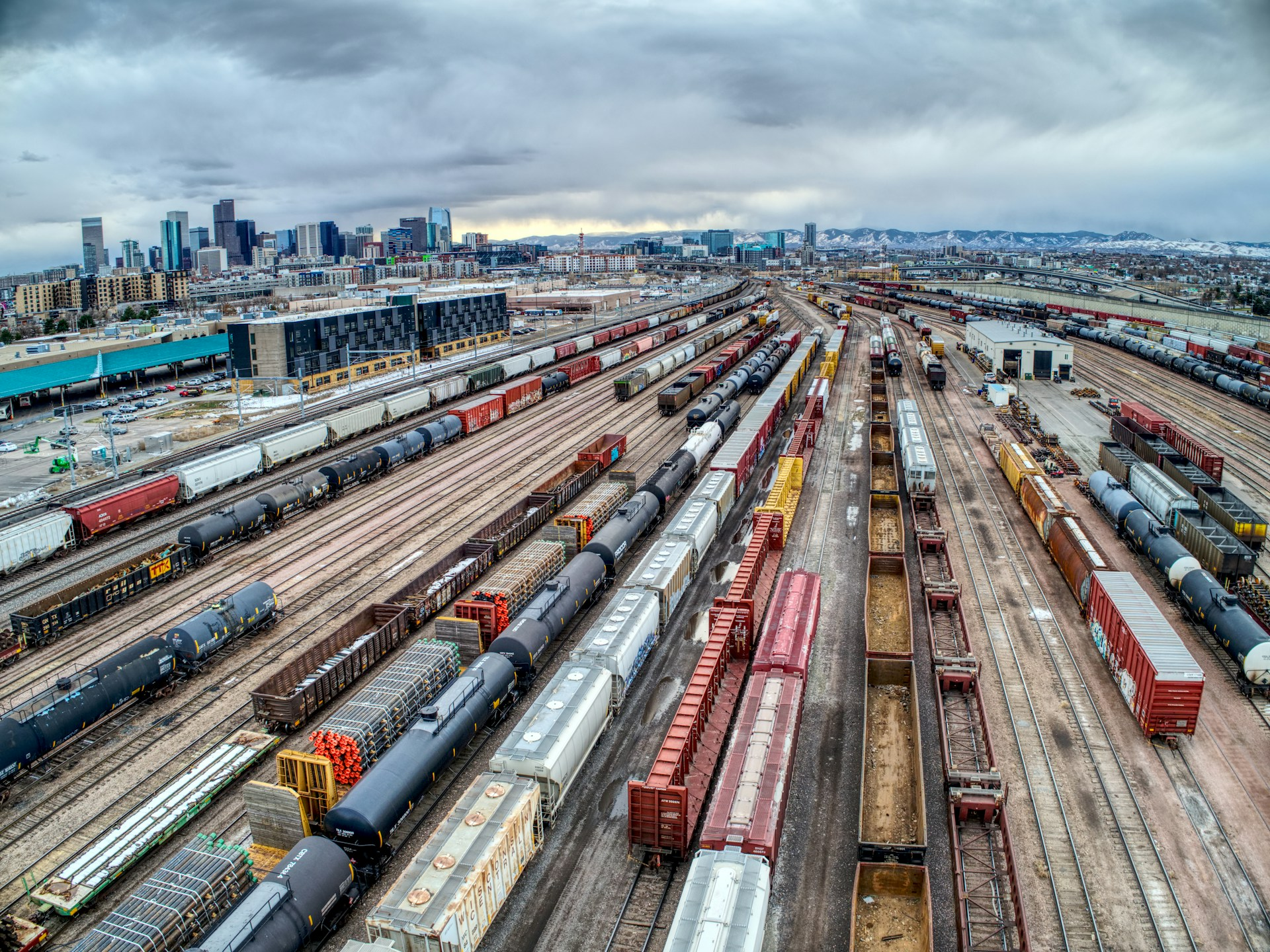
A freight train carrying electric vehicle components from manufacturers in China’s Hubei province departed Wuhan for Moscow on 20 November, becoming the city’s 500th outbound China–Europe service of 2026. The milestone was reached 36 days earlier than the comparable point in 2025, with the network reporting a 44.2% increase in cargo tonnage.
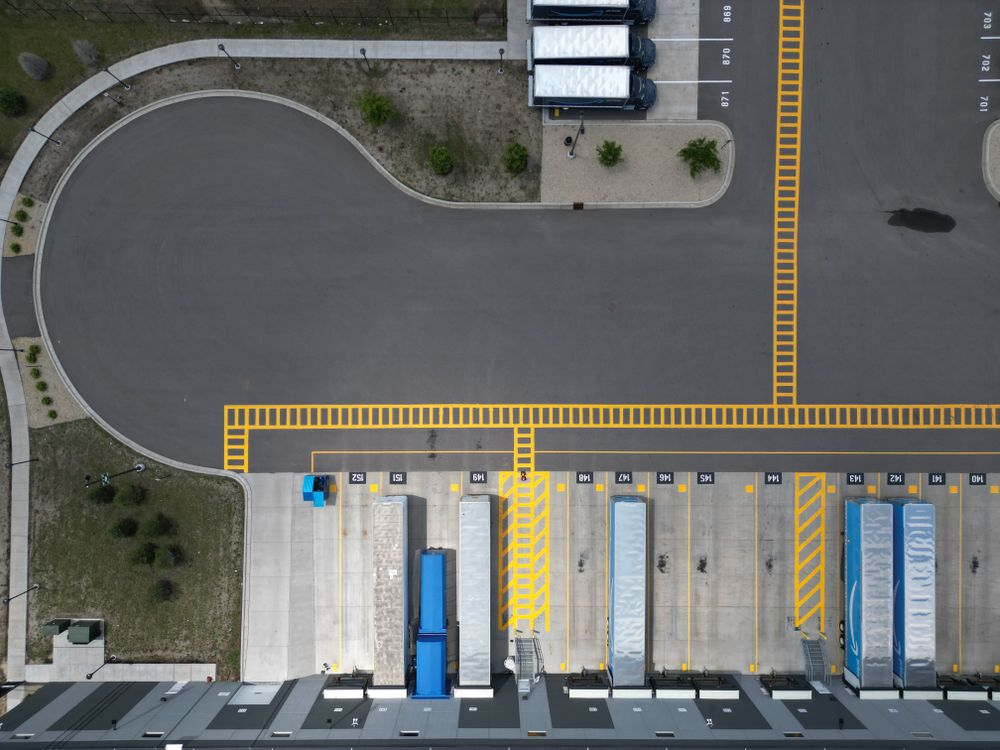
The train departed Wujiashan station at 10:35 local time, travelling towards the Erenhot border crossing before continuing to Russia. The departure was also the 6,000th service operated by the Wuhan China–Europe rail network since trial operations began in 2012. The figures were confirmed through reporting hosted by the Wuhan Municipal Government, drawing on information from China State Railway Group and its Wuhan railway operation.
Cumulative freight dispatched during 2026 has reached 454,800 tonnes, compared with the corresponding period of the previous year. The 44.2% increase describes total reported cargo weight rather than a comparable rise in departures or container numbers. Those measures can move at different rates when the average weight of shipments or the proportion of heavily loaded containers changes.
Vehicle manufacturing has become an increasingly important part of the traffic. Between January and October, Wuhan’s international trains carried 38 trainloads of complete vehicles and knocked-down kits associated with Dongfeng Motor, equivalent to 3,522 twenty-foot equivalent units (TEU). The number of trains increased 124% year on year, while the corresponding container volume rose 148%.
New energy vehicles accounted for a reported 85.5% of the automotive shipments. Products included vehicles associated with Dongfeng’s Voyah, M-Hero, and eπ brands, which have been expanding distribution beyond China. The figures concern the stated automotive category and should not be interpreted as evidence that electric vehicles account for 85.5% of everything transported through Wuhan’s international rail network.
The latest milestone departure carried components rather than an identified consignment of finished cars. These two freight categories require different loading arrangements. Completed vehicles need transport equipment and securing systems suitable for assembled products, while component shipments may be consolidated into containers according to packaging dimensions, product weights, and delivery requirements.
Knocked-down vehicle kits introduce their own planning requirements because a receiving factory may need several different groups of components before assembly can proceed. Missing parts can disrupt production even when the rest of a shipment arrives on schedule. The sequencing of containers, the accuracy of packing records, and coordination with the destination facility therefore influence the usefulness of scheduled rail capacity.
The Wuhan network now carries a wider range of industrial products than during its early development. Reported cargo includes machinery, automotive components, electronics, textiles, chemical products, photovoltaic equipment, and batteries. Each category must be accommodated within the applicable rail transport rules, including requirements concerning packaging, load restraint, documentation, and the classification of any regulated goods.
International rail movements also involve several operating organisations. Containers must be accepted at the origin terminal, assigned to a train, and presented with the documentation required for customs and cross-border transport. Railways at the relevant borders must then coordinate the continuation of the movement, including any handling or operational changes required by the route.
Trains leaving Wuhan through Erenhot use a different international corridor from services travelling towards Central Asia through China’s western border crossings. The route selected affects the countries traversed, the railway facilities involved, and the customs procedures applying to the consignment. A destination such as Moscow consequently cannot be treated as representative of the journey time or operating conditions of every Wuhan service.
The operator has been developing more predictable departures for automotive manufacturers, supported by arrangements intended to bring cargo from factories into the rail terminal in time for scheduled loading. Wuhan’s railway authorities have described improvements to the coordination of road collection, customs preparation, and train assembly. Reported time savings depend on those activities being completed as planned and should not be applied indiscriminately to every consignment.
Customs processing can affect the point at which a train becomes ready to depart. Where the required information and inspections are completed before loading, operators have more scope to assemble the intended containers without holding the completed train for individual consignments. Incorrect declarations, changes to cargo classification, or additional checks can still interrupt that sequence.
The network’s inland terminal structure supports both international rail departures and connections with domestic transport. Wujiashan concentrates on international trunk movements, while Xianglushan has a larger role in linking rail freight with inland waterborne traffic. The distinction allows containers moving through different transport networks to be handled at facilities suited to their onward routing.
Wuhan’s position within central China creates demand for these connections. Manufacturers in Hubei and neighbouring regions need to move goods towards overseas customers without immediate access to a coastal loading port. Rail provides one option alongside road movements to seaports and combinations of inland waterway and maritime transport. The most suitable arrangement depends on destination, cargo value, required delivery date, available capacity, and the complete cost of the movement.
Wuhan’s international freight network reports 64 established cross-border routes connecting 167 cities in 46 countries. These figures describe the geographical reach of the services and their associated connections, rather than the number of independently operating daily trains. Some destinations require onward transfers or have less frequent departures than the principal corridors.
Cross-border schedules also depend on infrastructure and operating arrangements outside China’s control. Congestion at interchange points, changes in railway capacity, equipment availability, and border procedures can affect actual arrival times. Regular origin departures improve planning, but they do not guarantee that every train will complete its international journey within the same period.
The 500th departure establishes a new annual milestone for Wuhan’s outbound rail operation, supported by higher reported cargo weight and a marked increase in automotive consignments. The next measure of growth will be whether the network can sustain the additional freight through its terminals and international connections while maintaining the departure schedules required by industrial exporters.