IN Brief:
- ASEMTRA has indicated that hauliers will refuse services at container terminals failing to meet established handling times from 30 November.
- Loading and unloading operations are reportedly taking between 60 and 90 minutes in some cases.
- Container traffic across the ports administered by the Las Palmas Port Authority increased by 4.42% during the first nine months of 2026.
Road freight operators serving the Port of La Luz in Las Palmas de Gran Canaria are preparing to suspend container transport services from 30 November, following continued concerns over loading and unloading times at the port's container terminals.
Roberto Jerez, president of the road freight association ASEMTRA, clarified on 24 November that the proposed action would affect terminals failing to meet established container handling times. The association is seeking improvements in machinery availability, staffing, and terminal management.
The intervention follows a decision taken by ASEMTRA members on 19 November to withdraw affected transport services indefinitely. The association has indicated that it remains willing to negotiate with terminal operators, port authorities, and other organisations involved in the logistics network.
Individual hauliers retain responsibility for deciding whether providing services at particular terminals remains commercially viable. The proposed action therefore concerns the withdrawal of road freight services at affected facilities rather than a closure of the entire port.
Jerez has previously identified loading and unloading operations taking more than an hour, with some extending to approximately 90 minutes. ASEMTRA argues that prolonged waiting times have become incompatible with the commercial conditions under which its members provide container transport services.
The dispute comes as container traffic has continued to increase across the ports administered by the Las Palmas Port Authority. The authority recorded approximately 1.208 million twenty-foot equivalent units (TEU) between January and September 2026, representing an increase of 4.42% against the corresponding period of 2025.
Total cargo traffic across the authority's ports reached 27.8 million tonnes during the same period, up 1.86% year on year. Containerised general cargo accounted for approximately 12.7 million tonnes.
The figures cover the authority's wider portfolio of ports rather than exclusively the container terminals affected by the dispute. They nevertheless establish the broader freight operating environment in which road transport providers and terminal operators are managing changes in cargo volumes.
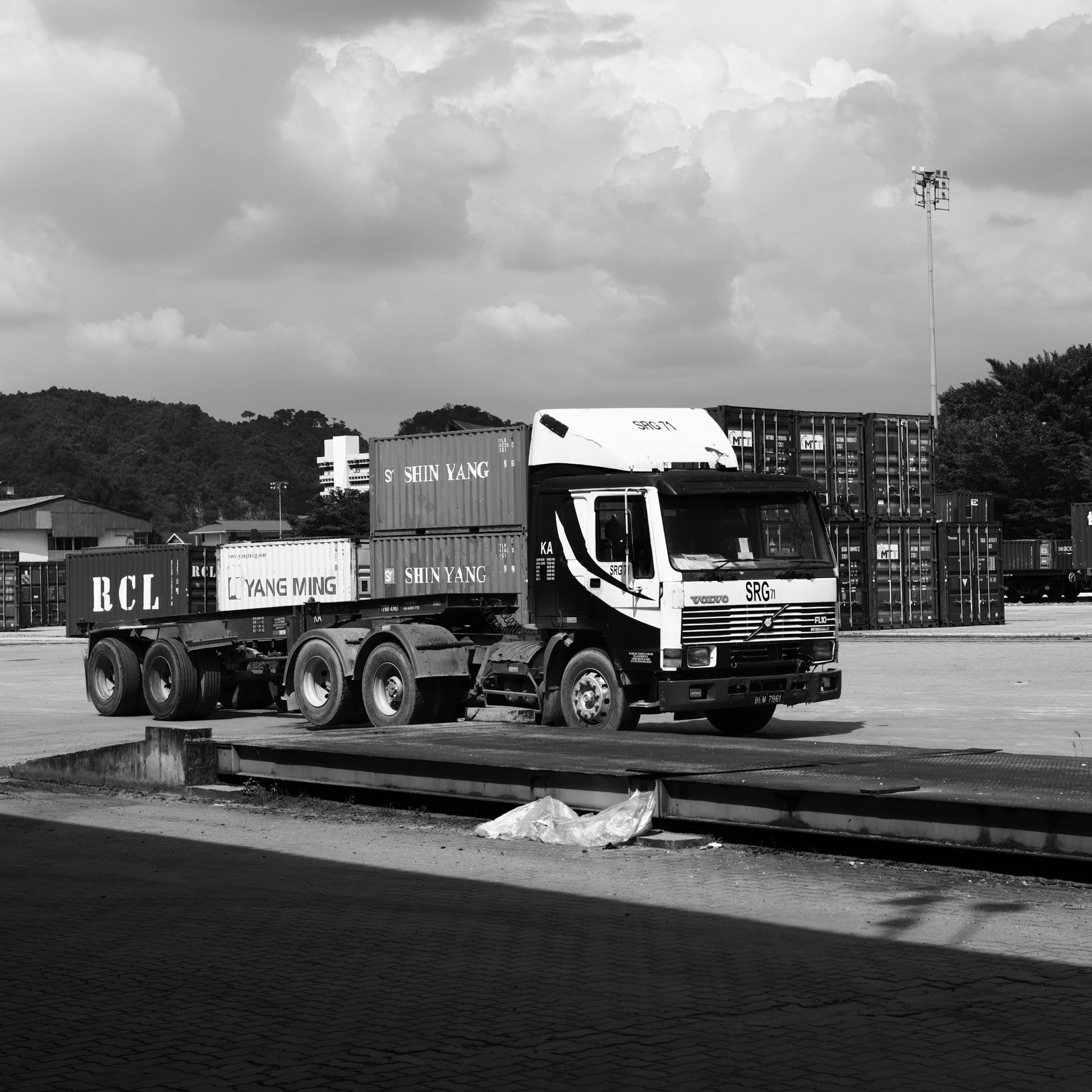
Container haulage depends heavily on vehicle turnaround times because individual trucks can undertake several movements between maritime terminals and inland facilities during a working day. Each journey requires time for driving, entry procedures, container handling, and delivery to the receiving location.
Prolonged waiting within the terminal reduces the number of movements that can be completed using the same equipment and driver. Where transport is priced according to completed journeys, additional waiting can reduce revenue generated over the working day while leaving vehicle ownership and employment costs largely unchanged.
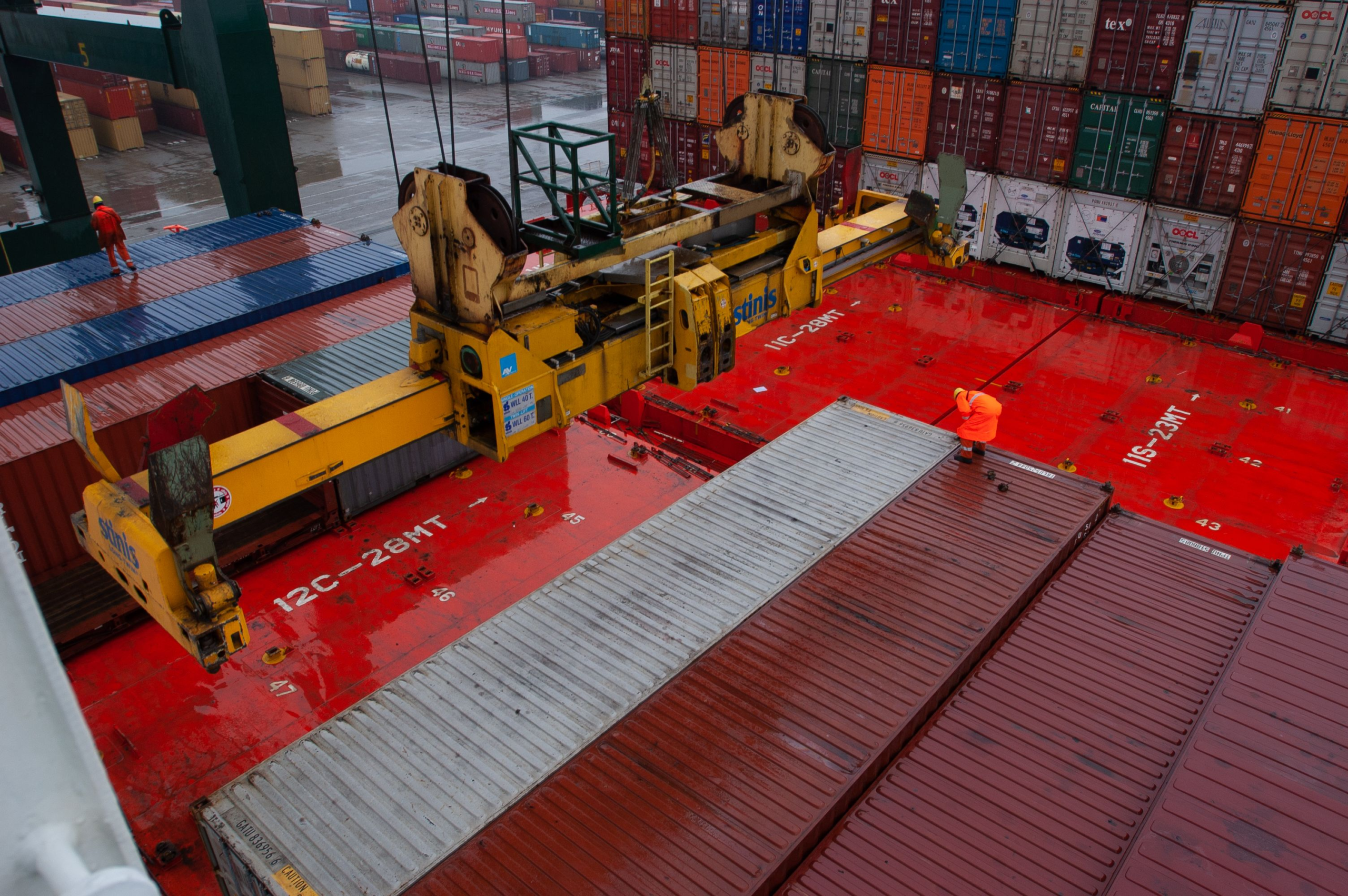
The availability of container handling machinery influences the speed at which those transactions can be completed. Yard equipment must serve road vehicles alongside maritime loading and unloading operations, container repositioning, and movements between storage areas.
A container awaiting collection may also be positioned beneath or behind other equipment within the yard. Additional handling movements are required to make it accessible before it can be transferred onto a road vehicle.
Terminal operators can use appointment systems to distribute truck arrivals across available capacity, although the effectiveness of those arrangements depends on containers being accessible when vehicles arrive and sufficient machinery being available to complete the planned transactions.
ASEMTRA has attributed the existing delays to insufficient resources and operational management problems. Its latest intervention seeks improvements to those conditions, rather than changes to maritime freight services themselves.
The proposed withdrawal of road transport could affect cargo distribution beyond the terminals. Receiving warehouses frequently coordinate container arrivals with labour availability, unloading equipment, and subsequent delivery schedules. Interruptions can require those arrangements to be revised, particularly where several consignments are expected within a limited period.
Gran Canaria's geographical position increases the importance of reliable connections between maritime infrastructure and inland distribution. Goods arriving from continental markets depend on sea or air freight, with road transport providing the final connection to manufacturing, wholesale, storage, and retail facilities.
Where loaded containers cannot be collected promptly, they continue to occupy terminal storage space that would otherwise be available for subsequent cargo movements. The effect on terminal capacity would depend on the extent of the action and the proportion of affected containers requiring inland delivery rather than onward maritime transportation.
The 30 November commencement date also falls immediately after Black Friday, during preparations for the Christmas trading period. Any extended interruption could coincide with concentrated demand for distribution services, although the volume of cargo likely to be affected has not been quantified.
ASEMTRA has not identified a fixed end date for the proposed suspension. Participation will depend on decisions taken by individual transport businesses, while discussions with terminal operators could still establish arrangements before the action begins.