IN Brief:
- Maersk will reduce Canadian inland export and import fuel surcharges from 24% to 20% on 1 December.
- The applicable charge will depend on the shipment's designated pricing calculation date.
- Separate seasonal and emergency intermodal surcharges remain applicable to specified North American routes.
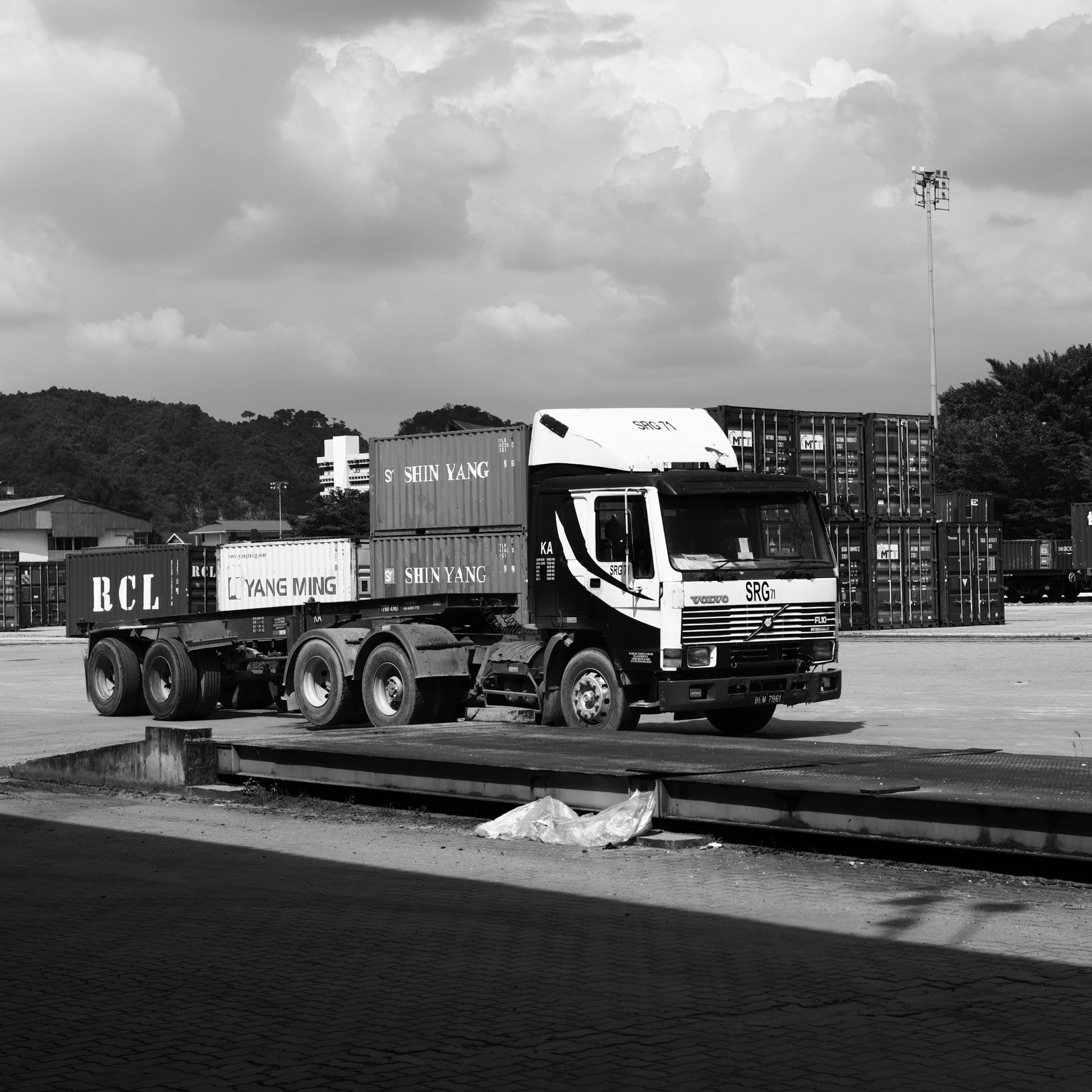
Maersk will reduce its Canadian inland fuel surcharge from 24% to 20% of applicable haulage charges from 1 December, while maintaining separate fuel-related and seasonal adjustments covering other North American container transport services.
The revised Export Fuel Surcharge (EFS) and Import Fuel Surcharge (IFS) will apply to eligible Canadian drayage movements connecting maritime terminals and inland locations with the wider container transport network.
The reduction follows the introduction of a 24% surcharge on 1 November and forms part of Maersk's monthly review of inland transportation costs.
The four-percentage-point adjustment represents a reduction of approximately 16.7% in the surcharge itself. For an illustrative movement carrying a base haulage charge of C$1,000, the applicable fuel charge would fall from C$240 to C$200.
The combined haulage and fuel charge would consequently decrease by approximately 3.2%, before other applicable fees and taxes. The effect on the overall cost of an international shipment would depend on the relative contribution of inland transportation to its total freight expenditure.
Maersk introduced changes to its Canadian inland fuel pricing arrangements earlier in 2026, when its April methodology established a relationship between applicable truck fuel surcharges and retail diesel price information published by Natural Resources Canada.
Further changes in May introduced monthly reviews for shipments outside the regulatory scope of the US Federal Maritime Commission (FMC).
The December adjustment comes amid a series of other changes to Maersk's North American inland pricing arrangements. On 16 November, the carrier increased a separate Emergency Intermodal Fuel Surcharge covering specified container movements between inland rail ramps or container yards and maritime terminals in the US and Canada.
Maersk attributed that increase to rising diesel prices. The subsequent reduction in its Canadian drayage surcharge illustrates how different components of a freight service can be subject to separate cost assessments and pricing arrangements.
Additional inland peak-season surcharges apply to specified Canadian import and export shipments routed through US maritime gateways, including Newark, Houston, Norfolk, Savannah, Staten Island and Philadelphia.
The seasonal charges took effect on 1 November and are scheduled to remain applicable until 31 January 2027. They address a separate component of the commercial arrangements governing container transportation and have not been withdrawn through the December fuel surcharge reduction.
The combination of percentage-based fuel adjustments and separate route-specific charges can produce different pricing outcomes for shipments entering the same Canadian distribution network through different maritime gateways.
A container arriving directly at a Canadian port may be subject to different inland charges from one discharged at a US terminal and subsequently transported across the border. The service purchased, designated transport nodes and applicable contractual provisions determine which charges enter the final freight calculation.
The timing of the shipment introduces another consideration because Maersk applies its surcharges according to an established Price Calculation Date (PCD).
For shipments subject to FMC regulation, that date generally corresponds to the point at which Maersk or its authorised agent accepts the final container listed on the transport document.
Other shipments are generally priced according to the scheduled departure of the first vessel identified within the relevant booking arrangements, subject to the applicable service terms.
As a result, the physical date of an inland container movement will not necessarily establish the surcharge payable. Cargo arriving at a Canadian terminal after 1 December may remain subject to commercial conditions established before the revised rate took effect.
Maersk also provides separate pricing arrangements for import inland services purchased after cargo has departed its origin port. The applicable shipment creation date can determine the surcharge charged in those circumstances.
Those differences affect the information required to reconcile freight quotations with subsequent invoices. Shipment dates, routing changes and separately purchased inland services can alter the applicable commercial terms even when the underlying physical transport requirements remain similar.
Manufacturers and distributors purchasing container transport across several North American gateways may also encounter separate handling, equipment and storage charges. Comparing complete freight offers therefore requires consideration of the individual chargeable services rather than the percentage fuel adjustment alone.
Maersk's December reduction will lower the fuel-related component of qualifying Canadian drayage movements, provided the underlying haulage rate remains unchanged. Its separate intermodal and seasonal arrangements will continue to influence the cost of specified routes, with the next monthly review determining the Canadian percentage-based surcharge applicable beyond December.