IN Brief:
- Transnet expects the vessel backlog at Durban Gateway Terminal to continue into January 2027.
- Transnet estimates that full rehabilitation could take up to three years after the backlog is cleared.
- Transnet reports roughly ten or eleven vessels awaiting berthing, with emergency recovery measures involving additional handling capacity and alternative ports.
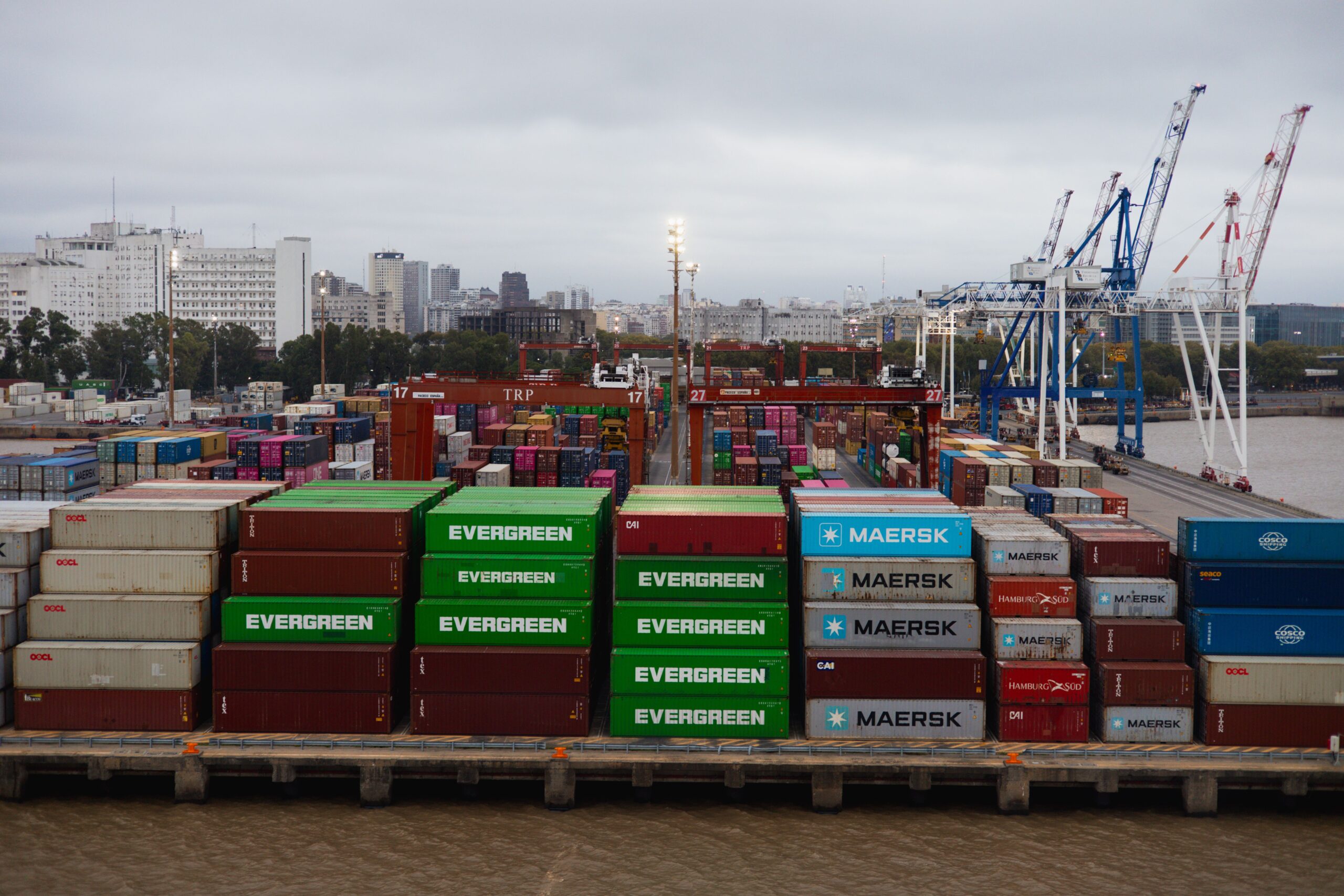
South African logistics group Transnet expects congestion at Durban Gateway Terminal to persist into January 2027, extending the period of disruption facing importers and exporters using the country’s principal container gateway.
Transnet group chief operating officer Solly Letsoalo told Business Day that approximately ten or eleven vessels were waiting for berthing each day. Even after the queue has cleared, he estimates that bringing the terminal to full operating capability could take up to three more years as International Container Terminal Services Inc (ICTSI) installs equipment and refurbishes infrastructure.
ICTSI assumed management of Durban Gateway Terminal in January 2026 under a 25-year concession. The terminal operator holds a 49% interest in the operation, with Transnet retaining 51%. Together with the neighbouring Pier 1 facility, the terminal accounts for approximately 65% of South Africa’s container volumes, according to Business Day, with combined annual capacity of 3.6 million twenty-foot equivalent units (TEU).
The scale of the operations makes recovery at Durban particularly important for freight moving between international shipping services and inland industrial centres. The ability to clear the vessel queue depends on more than the availability of berths. Ships must be unloaded into the terminal yard, containers must be released and retrieved, and road or rail capacity must be available to move them out of the port. A constraint in any one of those stages can reduce the rate at which vessels are handled.
Transnet’s emergency programme includes the return of refurbished ship-to-shore cranes at Pier 1, additional berthing arrangements and the diversion of suitable cargo movements. The original recovery plan targeted six operationally available cranes at Pier 1 by 21 November. Increased availability there provides another means of handling freight while Durban Gateway Terminal addresses its own equipment requirements.
Quay crane performance is closely linked to the horizontal transport equipment that transfers discharged containers into the yard. Where too few vehicles are available, cranes may need to wait for the next movement. Similarly, a heavily occupied yard can increase the distance and number of movements required to place or retrieve individual containers. Improving crane availability therefore needs to be coordinated with the capacity of those associated systems.
Alternative discharge arrangements introduce different inland transport requirements. A shipment originally booked through Durban may need to travel a longer distance by road or rail if it is handled at another port. The shipping line, freight forwarder and cargo owner must establish where the container will become available and whether the revised collection arrangements can accommodate the relevant customs and delivery requirements. Additional handling and inland transport costs can offset some of the benefits of reducing time spent waiting for a berth.
Medical supply chains have already been affected by the congestion. Transnet previously confirmed that it had released priority pharmaceutical consignments from six vessels. The broader recovery forecast does not establish that those shipments remain delayed. It concerns the continuing constraints affecting the terminal as a whole, including subsequent consignments and the additional retail freight arriving during the festive season.
Industrial importers whose production depends on regular deliveries also face uncertainty over the timing of their inland collections. A manufacturer may hold additional inventory to accommodate longer transport lead times, but doing so increases working capital requirements and may require more storage capacity. Where a specialised component cannot be replaced readily, transferring a limited quantity to air freight may provide a temporary alternative. That option depends on the dimensions and value of the cargo and the cost of a potential production interruption.
Longer-term rehabilitation presents a separate engineering challenge from emergency queue reduction. Equipment procurement, installation and commissioning must be scheduled around continuing operations, particularly if existing cranes or yard equipment need to be removed before their replacements can be introduced. Electrical infrastructure, maintenance facilities and control systems may also need to accommodate the revised equipment configuration. The programme’s operating benefits will depend on how successfully those elements are integrated.
The January forecast addresses the existing backlog rather than setting a deadline for the complete modernisation of Durban Gateway Terminal. Transnet and ICTSI must maintain sufficient operating capacity during the subsequent rehabilitation period to accommodate new arrivals without recreating the accumulated vessel queue. Cargo owners will need to distinguish a reduction in waiting ships from a sustained improvement in container availability and inland collection performance when assessing the reliability of the gateway.