IN Brief:
- The scheduling platform estimates handling durations using shipment dimensions, packaging characteristics, and weight.
- Sixteen loading docks serve healthcare shipments requiring temperatures ranging from +20°C to −70°C.
- Frankfurt is Kuehne+Nagel's first facility to use FAIR@Link for the management of its own loading docks.
Kuehne+Nagel has introduced digital vehicle scheduling at its healthcare logistics centre at Frankfurt Airport, using shipment-specific handling information to coordinate road freight movements with the availability of specialist pharmaceutical logistics infrastructure.
The freight forwarder is implementing FAIR@Link, a cargo community platform developed by allivate, the joint venture between airport operator Fraport and logistics software provider DAKOSY.
The system covers 16 loading docks at the company’s CargoCity South facility, which accommodates healthcare shipments with temperature requirements ranging from +20°C to −70°C.
Transport providers can register consignments and reserve handling appointments before arriving at the centre. The platform allocates booking windows and suitable loading positions according to available capacity and the operational requirements of individual shipments.
FAIR@Link calculates the anticipated duration of handling activities using information about cargo dimensions, packaging, and weight. The resulting estimates allow appointments to reflect differences between shipments rather than allocating a uniform period to every vehicle.
Kuehne+Nagel opened the 3,505 sq m healthcare logistics centre in September. The facility forms part of a 13,000 sq m complex and provides direct access to aircraft operating areas at Frankfurt Airport.
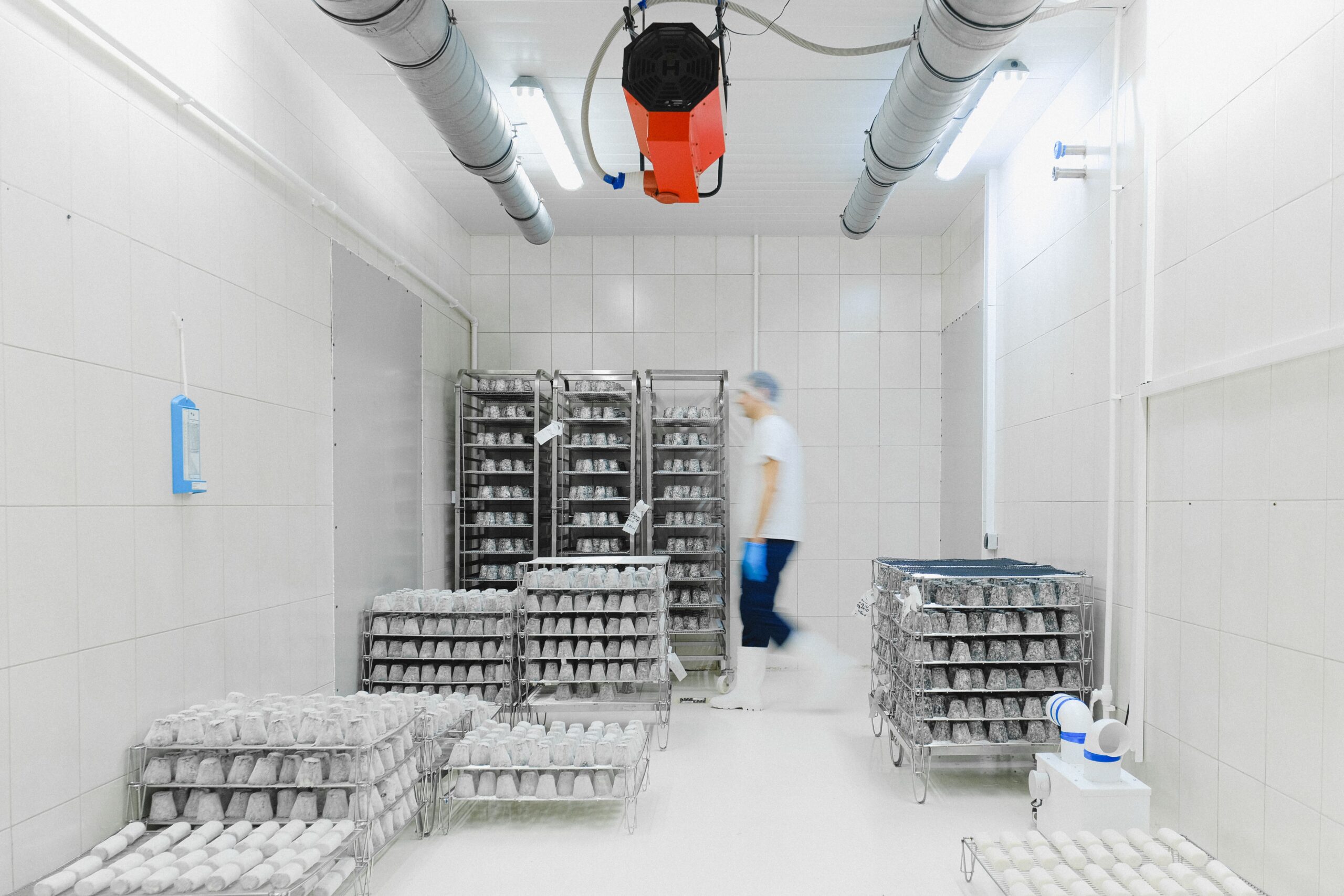
The centre accommodates controlled room temperature, refrigerated, and ultra-low temperature shipments, requiring different storage infrastructure and operating procedures according to individual product characteristics.
Connecting those requirements with vehicle scheduling can reduce the likelihood of vehicles arriving when suitable handling infrastructure or storage capacity is unavailable.
Temperature-sensitive pharmaceutical products must remain within conditions established through their individual stability requirements and associated quality procedures. Their transportation can involve specialist packaging, refrigerated vehicles, temperature-controlled air cargo containers, and continuous environmental monitoring.
Transferring products between road vehicles and airport facilities can create additional exposure to ambient conditions. The extent of that exposure depends on packaging performance, handling duration, external temperatures, and the availability of suitable controlled storage.
An appointment system based exclusively on whether a loading dock is vacant may overlook other constraints affecting those transfers.
A dock may be available even when the temperature-controlled storage area required by an incoming shipment lacks sufficient capacity. Similarly, the handling equipment or personnel needed to transfer a particular consignment may be committed to another operation.
Allivate has configured FAIR@Link around the Frankfurt centre’s physical infrastructure and the characteristics of individual loading positions. The digital representation enables appointment allocation to incorporate the suitability of available docks for different handling requirements.
Shipment-specific handling estimates also support the allocation of time between successive vehicle arrivals.
A vehicle transporting several conventional pallets may require different handling arrangements from one carrying specialist active temperature-controlled containers. Differences in packaging, cargo weight, and the equipment needed to complete transfers can influence the period for which a loading position remains occupied.
Allocating insufficient time can create delays for subsequent vehicles, while unnecessarily long booking windows can restrict the effective availability of handling infrastructure.
Actual operating data can help refine those estimates once the system has been used across a sufficiently representative range of shipments.
Records of vehicle arrivals, appointment durations, and completed handling activities can reveal recurring discrepancies between scheduled and actual performance. Such information can support adjustments to booking periods and the allocation of operational resources.
FAIR@Link already operates within Frankfurt Airport’s wider air cargo community. Kuehne+Nagel has previously used the platform for customs processes involving consolidated imports and for booking appointments at third-party cargo handling facilities.
Its healthcare logistics centre represents the company’s first application of the system to its own loading docks, extending the use of airport-wide coordination infrastructure into its internal facility operations.
The company is considering further deployments across CargoCity South, including potential integration with automatic number plate recognition technology.
Connecting vehicle identification with appointment records could simplify access procedures by matching arriving vehicles with scheduled operations. Such arrangements would still need to accommodate vehicles arriving outside their assigned booking windows, changes to shipment requirements, and applicable security procedures.
Kuehne+Nagel has not disclosed measured improvements in vehicle turnaround times, cargo handling performance, or the incidence of temperature excursions following the implementation.
The deployment establishes a mechanism for coordinating road transport arrivals with specialist handling capacity at the company’s CargoCity South healthcare centre at Frankfurt Airport. Its operational performance will depend on the accuracy of shipment information, the reliability of vehicle arrivals, and the availability of resources required to complete individual transfers.