IN Brief:
- Rensa has selected Manhattan ActiveWarehouse and ActiveTransportation to connect its distribution operations.
- The implementation covers warehouse activities, yard management, transport planning, shipment execution, and returns.
- The investment accompanies construction of a 45,000 sq m industrial building at Rensa's new Wehl distribution centre.
Dutch technical wholesaler Rensa Family has selected Manhattan Associates’ supply chain execution software to connect its warehouse and transport operations, supporting the expansion of its automated distribution infrastructure in the Netherlands.
The implementation, formally detailed by Manhattan on 24 November, will combine its ActiveWarehouse and ActiveTransportation applications within a common cloud-based platform, covering warehouse activities, transport planning, yard management, shipment execution, and returns.
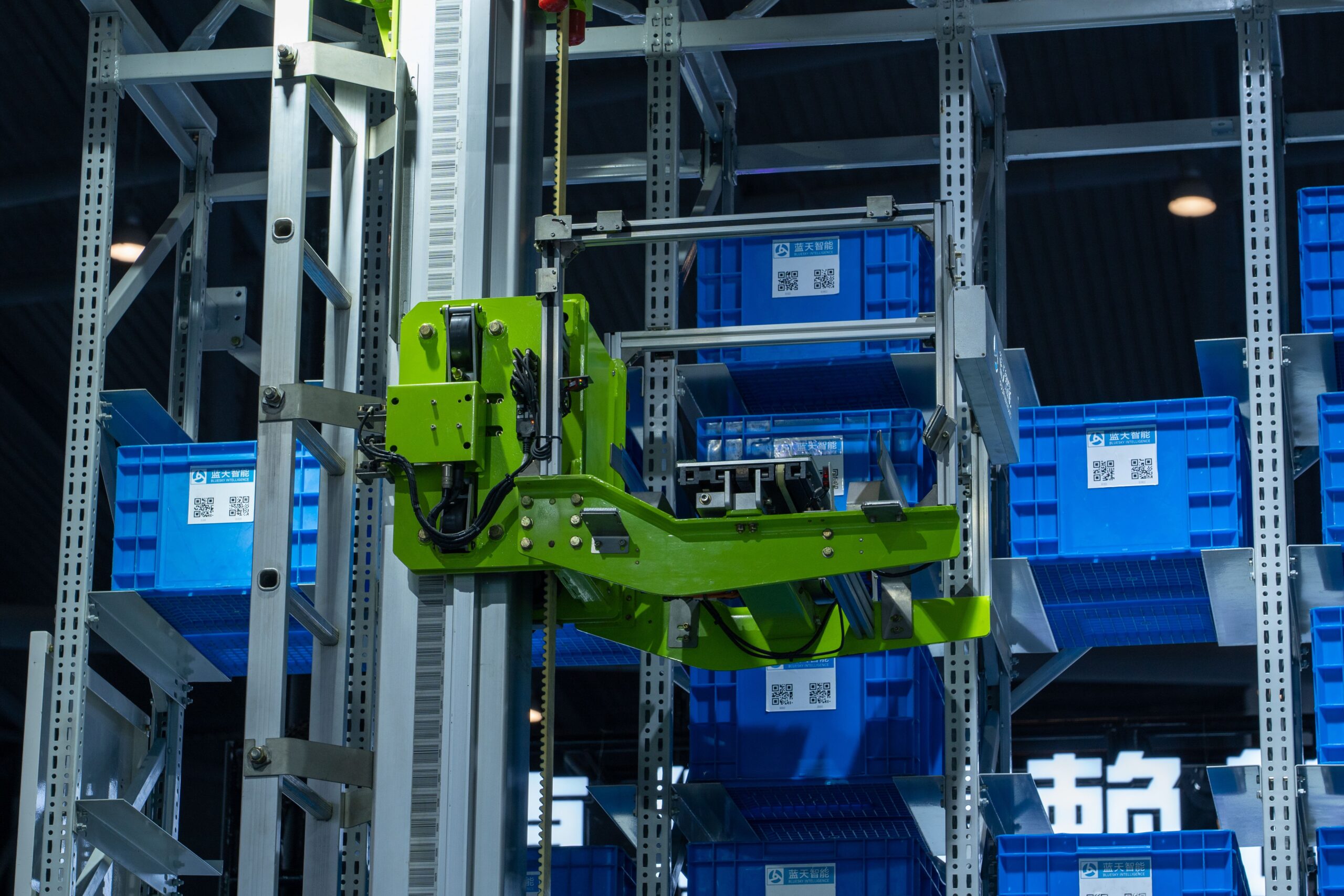
The software will support Rensa’s existing automated warehouse for smaller products in Didam and a new automated distribution centre under construction in nearby Wehl, which will handle larger items.
Rensa comprises 16 wholesale and service businesses operating across the Netherlands, Germany, and Romania. Its distribution network supplies professional installation markets, including heating, ventilation, sanitary equipment, and electrical products.
The Wehl development includes approximately 45,000 sq m of industrial accommodation and 4,000 sq m of office space. Construction contractor VDR Bouwgroep is targeting November 2027 for completion of the building.
Separating smaller and larger products between distribution facilities allows Rensa to configure its storage and handling infrastructure around substantially different physical characteristics.
Small electrical components and plumbing fittings can be accommodated within high-density automated storage systems, while larger installation equipment may require different storage configurations, handling equipment, and loading arrangements.
The separation also creates additional requirements for coordinating customer orders. An installer purchasing several products for the same project may require goods held across both facilities, meaning inventory availability at one warehouse does not necessarily establish whether the complete order can be delivered as requested.
Warehouse management systems control activities including inventory allocation, replenishment, picking, packing, and dispatch. Transport management software coordinates the vehicles, schedules, and routes through which those completed shipments reach customers.
Where those functions operate independently, changes to warehouse activities must be communicated to transport applications through separate interfaces. A delay in preparing one part of an order can consequently affect vehicle loading schedules and the delivery commitments associated with other consignments.
Connecting warehouse and transport planning within a common software environment is intended to improve visibility of those dependencies.
Transport decisions can incorporate information about inventory availability and anticipated order completion, while warehouse operations can take account of scheduled collection times when allocating resources to outbound shipments.
The approach is particularly relevant to technical wholesale distribution, where incomplete deliveries can prevent installation activities from progressing even if most of the required products arrive on schedule.
On-time and in-full delivery performance therefore depends on more than transport reliability. Accurate inventory records, the availability of individual items, warehouse throughput, and the sequencing of outbound movements all contribute to whether an order can be completed within the customer’s required delivery window.
The implementation also encompasses yard management, connecting vehicle movements at distribution facilities with the receipt and dispatch of goods.
Automated warehouses can move large quantities of products through storage and picking infrastructure, but the rate at which completed shipments leave a facility depends on available loading positions and vehicle capacity.
Where transport schedules are poorly aligned with warehouse output, completed orders can accumulate in dispatch areas. Limited staging space may subsequently restrict the movement of goods through upstream handling systems, reducing the effective productivity of installed automation.
Connecting vehicle schedules with information about warehouse activities can improve the allocation of loading positions and help prevent avoidable conflicts between incoming and outgoing movements.
Rensa’s software architecture must also accommodate the different automation arrangements at Didam and Wehl. Warehouse management applications need to exchange instructions and status information with the equipment control systems responsible for individual handling processes.
Accurate confirmation of completed movements is necessary to maintain consistency between physical stock locations and the records used to allocate customer orders.
The introduction of a common execution platform does not require every automated installation to use identical handling equipment. Individual warehouse configurations can retain different mechanical systems provided that the software interfaces support the information and operational instructions required by each facility.
Returns management introduces further dependencies between transportation and inventory operations. Returned products must be received, identified, and assessed before decisions can be made about their subsequent storage, redistribution, or disposal.
Connecting those movements with customer and inventory records can improve visibility of products moving back through the distribution network, including items that may become available for resale following inspection.
Rensa has not disclosed the value of the Manhattan contract, the software implementation timetable, or quantified objectives for improvements in delivery performance and operating costs.
The construction of its Wehl distribution centre establishes a significant physical expansion alongside the software programme. Connecting the two facilities through common warehouse and transport management infrastructure will be central to coordinating their complementary roles within the group’s technical wholesale distribution network.