IN Brief:
- Tokyo's seven-day average vessel waiting time has increased to approximately two days.
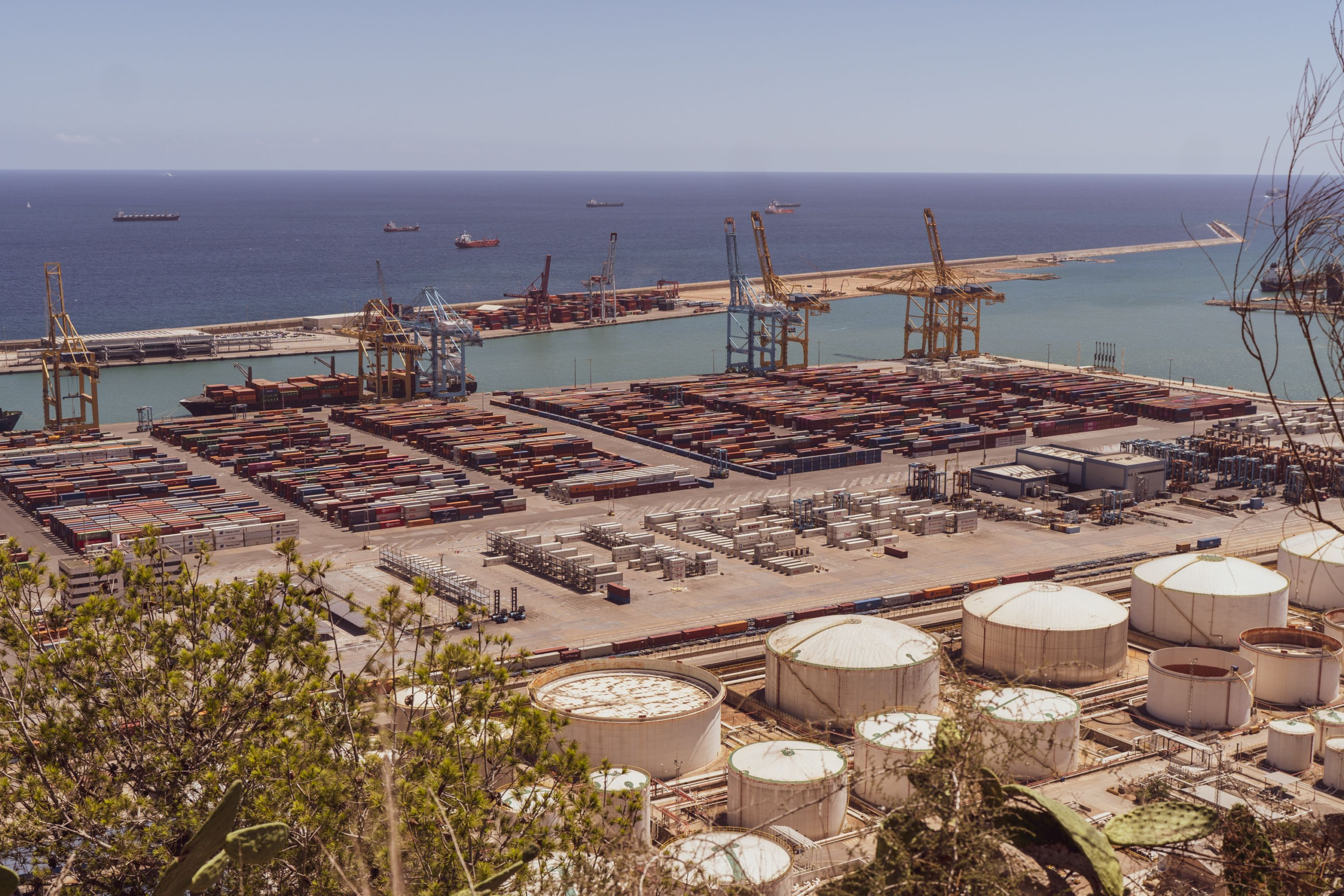
- Yard utilisation at the city's Ohi, AOM, and TICT terminals stands at 120%, 107%, and 110% respectively.
- Ocean Network Express is urging importers to accelerate container collections to release terminal storage capacity.
Ocean Network Express (ONE) has requested faster collection of imported containers in Japan as elevated yard utilisation and irregular vessel arrivals place growing pressure on cargo handling capacity at the country’s maritime gateways.
The shipping line issued its latest customer advisory on 25 November following a deterioration in operating conditions at several terminals, particularly in Tokyo and Yokohama.
Operational data published by Kuehne+Nagel for the period ending 24 November recorded yard utilisation of 120% at Tokyo’s Ohi container terminal, compared with 109% a week earlier. Utilisation at AOM stood at 107%, while TICT recorded 110%.
Conditions have not deteriorated uniformly across the three facilities. AOM’s utilisation has fallen from 121%, whereas TICT has increased from 98%. All three terminals nevertheless remain above their nominal storage capacity.
Tokyo’s seven-day average vessel waiting time has increased to approximately two days. Berth congestion is worsening as operators contend with restricted storage availability and the operational difficulties associated with densely occupied container yards.
The pressure extends to nearby Yokohama, where Kuehne+Nagel reported yard utilisation of between 100% and 110% and average vessel waiting times of approximately one day.
Labour shortages are constraining productivity at Yokohama, while operations at its D5 yard and quayside were suspended between 21 and 23 November to accommodate relocation work and the migration of terminal operating software.
Storage utilisation has a direct influence on the number of handling movements required to retrieve individual containers. Import units may be stacked vertically within terminal storage blocks, with their accessibility determined by the positions of surrounding containers and the equipment available to retrieve them.
Where a required container is obstructed, terminal personnel must move other units before completing its collection. These additional movements occupy equipment and labour that would otherwise be available to handle arriving or departing cargo.
Limited space makes those transfers more difficult because fewer alternative positions are available in which obstructing containers can temporarily be placed. The effective handling capacity of a terminal can consequently deteriorate before its physical storage capacity is completely exhausted.
Reports from Japanese terminals indicate that some vessels are encountering difficulties discharging cargo even after reaching their berths. Insufficient yard space can restrict the rate at which containers are transferred from ships to storage, extending port calls and disrupting subsequent vessel schedules.
Irregular arrivals can reinforce the problem. Shipping lines operate interconnected port rotations, with delays at one terminal affecting arrival times at others. Vessels arriving outside their planned operating windows must compete with scheduled arrivals for berths, equipment, labour, and storage capacity.
Other major Asian gateways are experiencing similar operational constraints. At Busan in South Korea, Kuehne+Nagel reported approximately 97% average yard density at BNCT and attributed pressure on berth productivity to limited storage capacity and concentrated vessel arrivals.
Port Klang in Malaysia recorded yard utilisation of 90–95%, while congestion at Shanghai continued following earlier port closures, with restricted transport capacity between its terminal areas.
These conditions complicate the recovery of Japanese shipping schedules because vessels calling at Tokyo and Yokohama may already have accumulated delays at other locations within their rotations.
Earlier collection of imported containers provides one means of releasing storage positions without expanding the terminal’s physical footprint. The effectiveness of that measure depends on coordination between customs brokers, importers, road transport providers, and receiving warehouses.
Containers cannot necessarily be collected immediately after unloading. Customs release, documentation checks, transport bookings, and receiving capacity must be available before goods can move inland.
Importers may also have arranged collection schedules around contractual free time periods and the requirements of their own inventory management systems. Bringing forward those movements could require additional storage capacity at warehouses or off-dock facilities.
Where receiving warehouses cannot accommodate earlier deliveries, moving containers out of the maritime terminal may transfer storage requirements to other parts of the logistics network rather than eliminate them.
The duration of port calls also influences the effective capacity available to the shipping market. Ships completing longer rotations because of congestion undertake fewer individual voyages over a given period, absorbing capacity that might otherwise accommodate additional cargo demand.
That dynamic has become increasingly important as new container vessels enter service and shipping lines reassess their use of routes through the Suez Canal.
Restoring available yard capacity at Tokyo and Yokohama would allow terminal operators to accommodate arriving containers with fewer additional handling movements. Wider schedule recovery will also require improvements at other congested Asian gateways and more consistent coordination between maritime arrivals and inland cargo collections.