IN Brief:
- AD Ports Group has agreed to acquire Cologne-based MBS Logistics Group.
- The deal expands Noatum Logistics’ freight forwarding and contract logistics footprint across Europe, Asia Pacific, and the US.
- MBS brings 26 offices, more than 450 employees, and services across air, ocean, road, rail, customs, and project cargo.
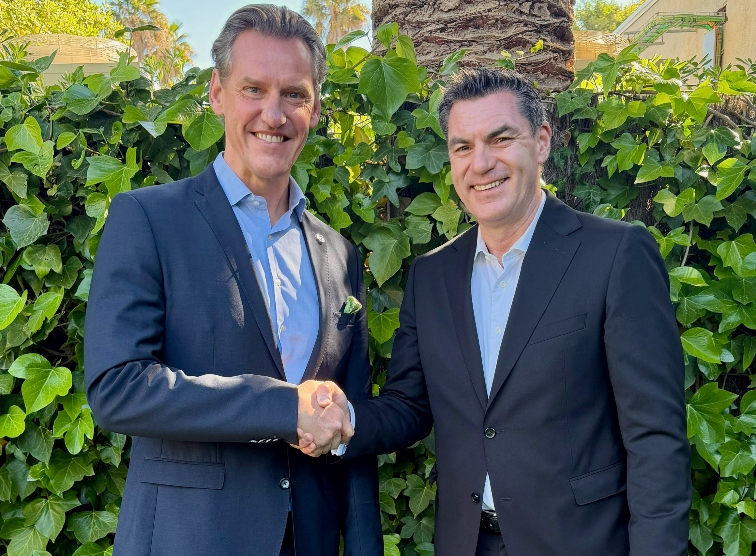
AD Ports Group has agreed to acquire Cologne-based MBS Logistics Group, extending its freight forwarding and contract logistics network across Europe, Asia Pacific, and the US.
The transaction covers MBS Logistics’ operations in Germany, Switzerland, Asia Pacific, and the US, excluding joint ventures. Completion is expected in the second half of 2026, subject to regulatory approvals. Once completed, MBS Logistics will become part of Noatum Logistics, the logistics platform within AD Ports Group’s Logistics Cluster.
MBS Logistics generated revenue of €205m in 2025 and operates 26 offices worldwide with more than 450 employees. Its services cover air, ocean, road, and rail freight forwarding, alongside contract logistics, customs, and project cargo solutions.
The acquisition continues AD Ports Group’s expansion from port operations into broader logistics services. Through Noatum Logistics, the group has been building a platform that connects freight forwarding, inland movement, warehousing, maritime services, and customer supply chain management across multiple regions.
MBS gives Noatum a stronger European base, particularly in Germany and Switzerland. Germany remains one of Europe’s most important industrial logistics markets, with dense flows of automotive parts, machinery, chemicals, consumer goods, and project cargo moving through road, rail, air, inland waterway, and ocean-linked networks.
That geographic depth strengthens AD Ports’ access to industrial customers whose supply chains require more than simple point-to-point freight movement. Customs support, multimodal planning, project cargo capability, contract logistics, and regional forwarding coverage are becoming increasingly connected as shippers look for fewer handover points and better visibility across transport modes.
The transaction also fits the consolidation pattern running through global logistics. Port groups, shipping lines, infrastructure investors, and large forwarders are moving further into end-to-end supply chain services, using acquisitions to capture more of the cargo journey and secure longer-term customer relationships. The same pressure is visible in European warehouse and automation investment, from Ahlsell’s Malmö logistics expansion to Dematic’s automated parts warehouse work for Belgian Railways.
Project cargo capability adds a valuable industrial layer to the deal. Energy, infrastructure, machinery, and manufacturing projects often require engineered transport plans, customs preparation, lifting coordination, route surveys, and careful site delivery. Those flows demand local expertise but benefit from wider network control, particularly when cargo moves across several borders and transport modes.
For AD Ports, the commercial task will be to connect MBS’ local customer relationships and European forwarding knowledge with Noatum’s wider platform. Integration will need to preserve the service culture of a mid-sized logistics provider while giving customers access to broader network options, digital systems, and multimodal capability.
The freight market backdrop remains unsettled. Geopolitical disruption, tariff uncertainty, Red Sea-linked routing changes, and rate volatility have pushed many shippers to reassess their logistics partners. Providers with connected services across Europe, Asia, and the US are better placed to offer alternative routing, customs support, and continuity when individual lanes become less reliable.
The acquisition also strengthens AD Ports’ position outside its home region. Rather than relying only on port throughput or maritime assets, the group is buying deeper into the logistics layer where customer decisions are increasingly made. Forwarding, contract logistics, customs, and project cargo services give the group more contact with cargo owners and more influence over how freight moves through its wider network.
The value of the deal will depend on execution. MBS brings revenue, people, offices, and customer relationships, but the operational benefit will come from connecting those capabilities without flattening local market knowledge. If Noatum can integrate the business cleanly, AD Ports will gain a stronger European logistics platform at a time when cargo owners want resilience, multimodal reach, and fewer gaps between port, inland, and international movement.