IN Brief:
- Airbus has agreed a lease covering an 18,000m² industrial and logistics facility at CTPark Brașov in Romania.
- The building was completed in 2024, with the new Airbus lease confirmed on 19 November 2026.
- CTP identifies a further 27,000m² of development potential at the park, separate from Airbus's confirmed commitment.
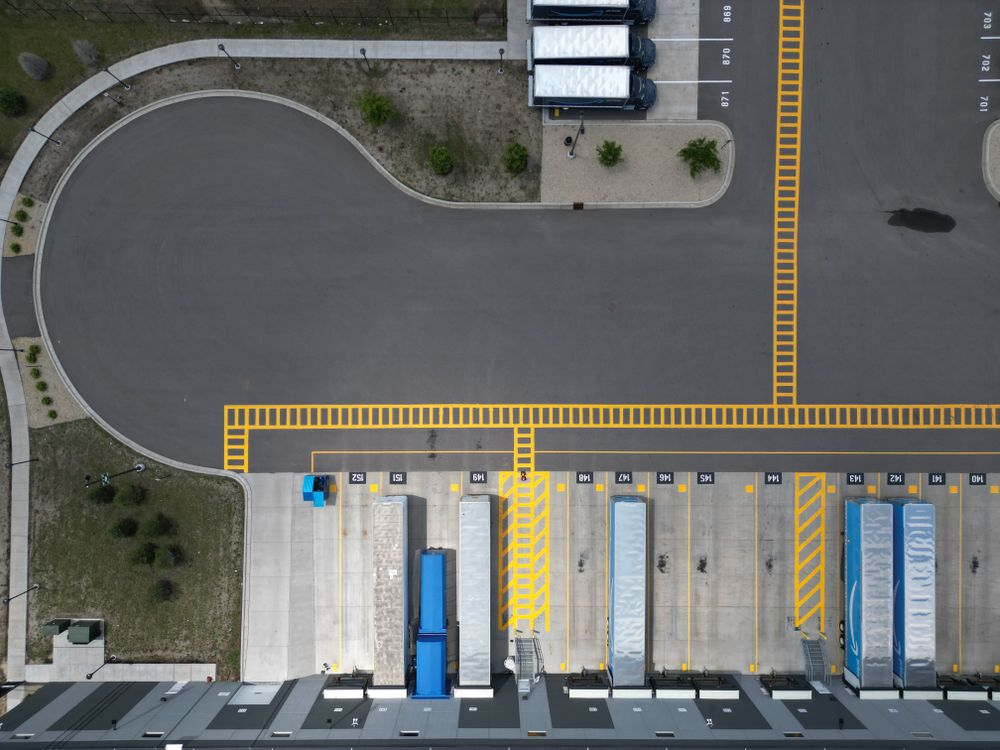
Airbus has agreed to lease an 18,000m² industrial and logistics facility at CTPark Brașov in central Romania, expanding the warehouse accommodation available to its operations in the region. The agreement with property developer CTP covers a building designed for an industrial occupier, with road access and supporting infrastructure within an established manufacturing area.
CTP confirmed the transaction on 19 November 2026. Airbus intends to use the facility for warehousing and logistics activities, although neither company has disclosed the products to be handled, the duration or value of the lease, or the number of employees expected at the site. The building was completed in 2024, making the new tenancy the latest development rather than the start of a newly announced construction project.
CTPark Brașov is situated north of the city, with direct access to the DN13 road and connections to the surrounding industrial and transport network. Brașov-Ghimbav International Airport is also nearby. CTP has identified the availability of industrial labour as one of the considerations behind Airbus’s decision to occupy the facility.
The property was developed as an approximately 18,000m² build-to-suit building, a format intended to accommodate the requirements of an industrial customer. CTP describes it as energy efficient, but has not published a detailed specification of the storage systems, loading equipment, or internal transport arrangements Airbus intends to use. The agreement establishes the purpose of the space without identifying a particular warehouse automation installation or specialist aerospace handling system.
Warehouse layout affects how efficiently materials can pass between receiving, storage, and despatch. Vehicles delivering goods must have access to suitable unloading positions, while incoming products need to be checked against the expected quantities and documentation before being assigned to storage locations. The speed of these activities depends on the available loading space, handling equipment, and the arrangement of stock within the building.
The operating requirements of an aerospace supply chain can be more demanding than the simple storage of finished goods. Parts and materials may need to remain associated with production records, supplier approvals, inspection results, and other quality information throughout their movement. Where these controls apply, an inventory management system must preserve the identity and status of each item rather than recording quantities alone.
Not every item used in aerospace manufacturing requires the same conditions. Standard industrial consumables may be suitable for conventional racking and handling equipment, while sensitive components can require additional packaging, environmental controls, or restrictions on their movement. Airbus has not identified which categories will be accommodated at Brașov, so the site cannot yet be described as a dedicated facility for any particular aircraft programme or class of component.
Storage density and retrieval speed also have to be balanced against the nature of the inventory. High-density racking can increase the quantity of stock held within a given floor area, but it may extend access times where goods are not arranged according to demand. Materials required frequently for production or distribution can benefit from locations close to picking and despatch areas, provided the configuration remains suitable for their weight and handling characteristics.
The availability of a dedicated building allows these operating choices to be made around Airbus’s expected stock flows. A warehouse serving production materials may concentrate on replenishment frequency and accurate issue records, while one handling finished products may need more space for consolidation and outbound transport. The intended division of activity at the new site has not been disclosed, and no forecast of pallet positions or daily cargo movements has been provided.
Road access will determine much of the facility’s connection with suppliers and onward destinations. The DN13 corridor links Brașov with the regional transport network, while the wider area contains manufacturing and engineering businesses. The proximity of the airport provides an additional transport asset, but there has been no confirmation that Airbus will operate a dedicated air freight service from the building.
Locating stock near the operation it supports can reduce the distance travelled by individual deliveries and create more opportunities to coordinate replenishment with production requirements. The result depends on the suppliers involved and the destination of each consignment. Consolidating inventory can also introduce additional handling or longer journeys elsewhere in a network, so a larger local warehouse does not automatically mean lower total transport expenditure.
CTP has approximately 18,000m² of completed space at CTPark Brașov and identifies another 27,000m² of development potential across the roughly 13-hectare site. The additional capacity offers scope for future construction, but the Airbus transaction does not include a confirmed lease of that land or a commitment to develop further buildings for the aircraft manufacturer.
The developer’s wider Romanian portfolio exceeds 3.2 million square metres of industrial and logistics accommodation, with properties across Bucharest, Timișoara, Brașov, Sibiu, Craiova, and Arad. CTP reported signing more than 420,000m² of leases in Romania during the first nine months of 2026. Those figures describe its national property operations and should not be attributed to the Airbus agreement.
Across Europe, CTP reported a portfolio of approximately 15.1 million square metres at the end of September, with a further 1.7 million square metres under construction. The company requires its new buildings to meet BREEAM Very Good certification or higher. Building certification provides information about assessed property characteristics, although the actual energy use and emissions of a working warehouse depend on its equipment, occupancy, and operating profile.
Airbus’s Brașov agreement therefore represents a commitment to additional logistics accommodation within an established Romanian industrial location. The building is already part of CTP’s completed estate, while the tenant’s planned use will determine the equipment and processes needed inside it. Further information about the warehouse fit-out, stock handled, and commencement of Airbus operations has not yet been published.
The 18,000m² lease establishes the scale of the current transaction. Any subsequent development at the park or expansion of Airbus’s logistics activities would be a separate decision, with CTP’s remaining land providing potential capacity rather than an announced second phase of the manufacturer’s tenancy.