IN Brief:
- Asian Terminals has renewed its Manila South Harbour operating and development concession for May 2038 to May 2063.
- The operator identifies capacity expansion, automated handling, digital systems, and lower-emission equipment as investment priorities.
- No capital budget or detailed timetable for the next programme of terminal works has yet been disclosed.
Asian Terminals Inc. (ATI) has secured a 25-year renewal of its concession to operate and develop Manila South Harbour in the Philippines, extending the company’s rights at the international cargo gateway until May 2063. The agreement with the Philippine Ports Authority (PPA) will take effect in May 2038, when the current concession expires, rather than starting a new operating period immediately.
Under the renewed concession, ATI can plan terminal infrastructure, cargo handling, and digital systems over a further 25 years. ATI and its strategic partner DP World identify additional capacity, increased automation, energy-efficient equipment, and digital operations as priorities for the port. Neither the capital value nor the construction timetable for that next investment programme has been specified, so the concession renewal should be distinguished from approval of a particular expansion project. The renewed term does not begin until 2038, and ATI has not said when any further works might commence under the existing concession.
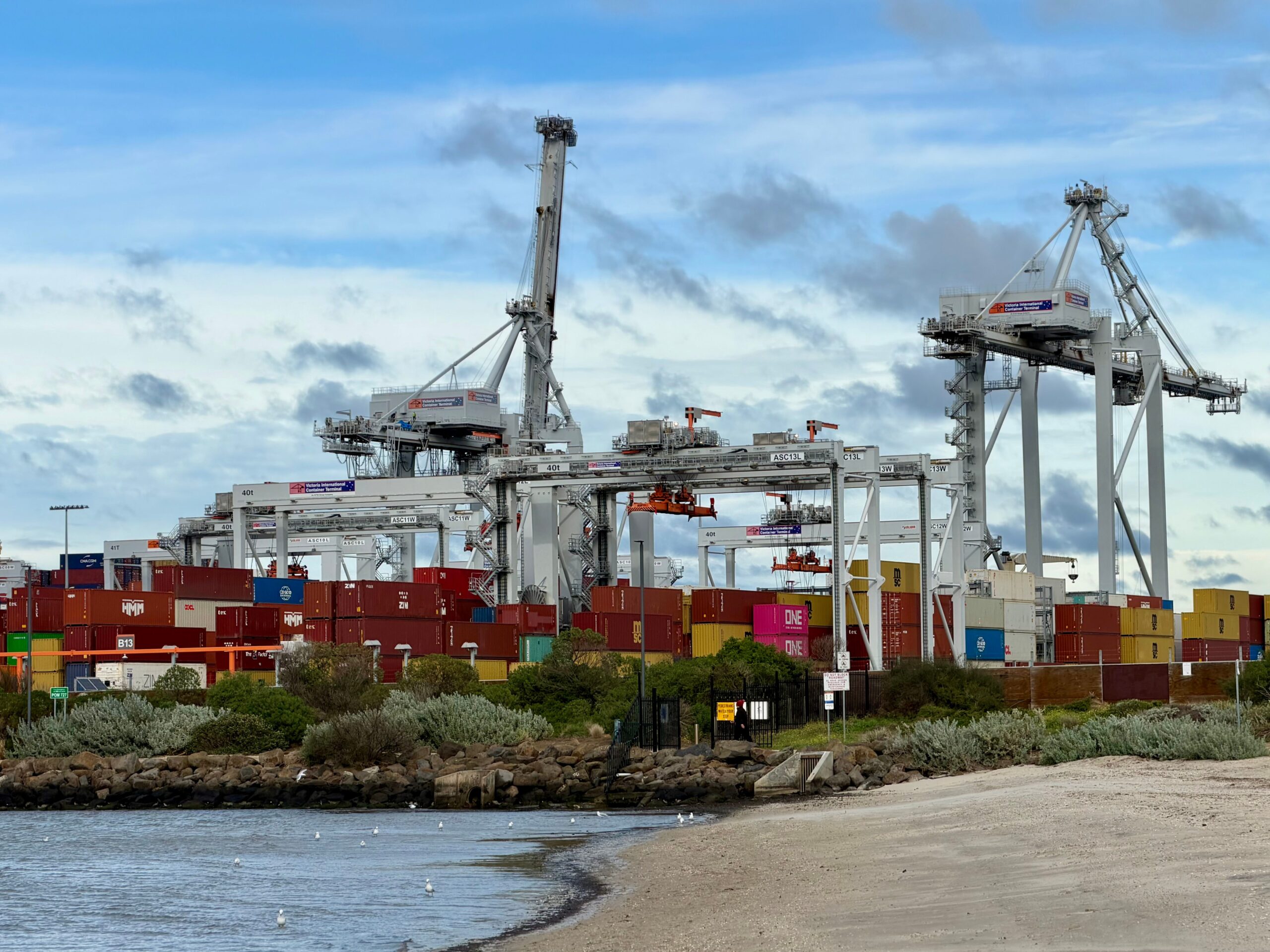
At Manila South Harbour, cargo arriving by sea must pass through quayside handling, terminal storage, and landside release before it can reach importers and logistics providers. Increasing the number or size of vessel calls without matching improvements elsewhere in that chain can simply move congestion from one part of the terminal to another. Crane productivity, container stacking capacity, truck access, gate transactions, and the availability of equipment must all remain aligned as cargo volumes change. The renewed concession provides a longer investment horizon, but individual upgrades will still depend on their own funding, design, and implementation decisions.
ATI also operates at the Port of Batangas and maintains off-dock yards in the Philippines, handling containerised and non-containerised cargo beyond the Manila concession. The network gives it experience across different cargo types and transport interfaces, but investment figures covering that wider portfolio must not be presented as expenditure at Manila South Harbour alone.
Across its Philippine operations over four decades, ATI says it has invested more than PHP42 billion in port development and modernisation. The company reports cumulative movements of approximately 30 million twenty-foot equivalent units (TEU) of container traffic, 57 million tonnes of non-containerised cargo, and 70 million passengers. Those cumulative figures cover ATI facilities over four decades; they are neither annual volumes at Manila South Harbour nor a forecast of capacity under the extended concession.
ATI has identified more energy-efficient cargo-handling equipment as a priority for subsequent investment. In a container terminal, changes to crane and yard fleets affect not only direct fuel or electricity use but also charging or refuelling arrangements, maintenance access, dispatching, and the movement of containers between quay, stack, and gate. Those choices have to be made against equipment utilisation, peak demand, and the physical layout of the site. ATI has not identified specific equipment orders or operating technologies under the renewal, so the eventual balance of electrification and automation remains open.
Advanced digital systems are another stated investment priority. Port systems can coordinate vessel information, container positions, customs and release status, and truck appointments, but useful integration depends on reliable data exchange between the terminal, carriers, and cargo owners. Poor information quality can leave a mechanically efficient terminal constrained by missing documentation or uneven landside arrivals. ATI has described advanced digital technology as part of its direction without yet setting out a named platform, implementation partner, or measurable performance target.
Jason Varsamidis, chief executive and managing director of DP World Asia Pacific, described the renewal as a basis for continued investment in capacity, technology, and more sustainable operations. ATI holds the concession under its agreement with the Philippine Ports Authority; DP World supports the operator as its strategic partner.
The new agreement also comes as Philippine cargo gateways contend with persistent pressure on container circulation and landside logistics. Separate congestion concerns at Manila have previously involved the management of ageing containers and their movement out of terminal and off-dock storage. Additional terminal equipment may improve the rate at which boxes are handled, but the benefit will depend partly on import collection, documentation, available haulage, and storage practices outside the quay area.
ATI marks 40 years of operations in 2026. Its concession renewal covers the period from May 2038 to May 2063, giving it more time to align major infrastructure spending with demand and shipping-network changes. Specific investment approvals, equipment orders, construction schedules, and capacity targets have yet to be disclosed.