IN Brief:
- Construction has started on the AU$55m Ballarat Intermodal Freight Hub.
- The project will connect BWEZ tenants to the broad-gauge Ballarat-Ararat rail line.
- The hub is expected to handle around 15,000 containers a year to the Port of Melbourne.
Ballarat Intermodal Freight Hub construction has started in Victoria, Australia, with the AU$55m project designed to move more regional freight by rail and strengthen links between western Victoria and the Port of Melbourne.
The hub forms part of the Ballarat West Employment Zone and will give tenants including George Weston Foods and CHS Broadbent access to the broad-gauge Ballarat-Ararat rail line. The development is jointly funded by the Victorian and Australian governments, with each contributing AU$27.75m.
Rail tracks, siding, signalling, and serviced lots will allow freight operators and industrial tenants to connect more directly into the state’s rail network. Once operational, the hub is expected to handle around 15,000 containers a year moving to the Port of Melbourne.
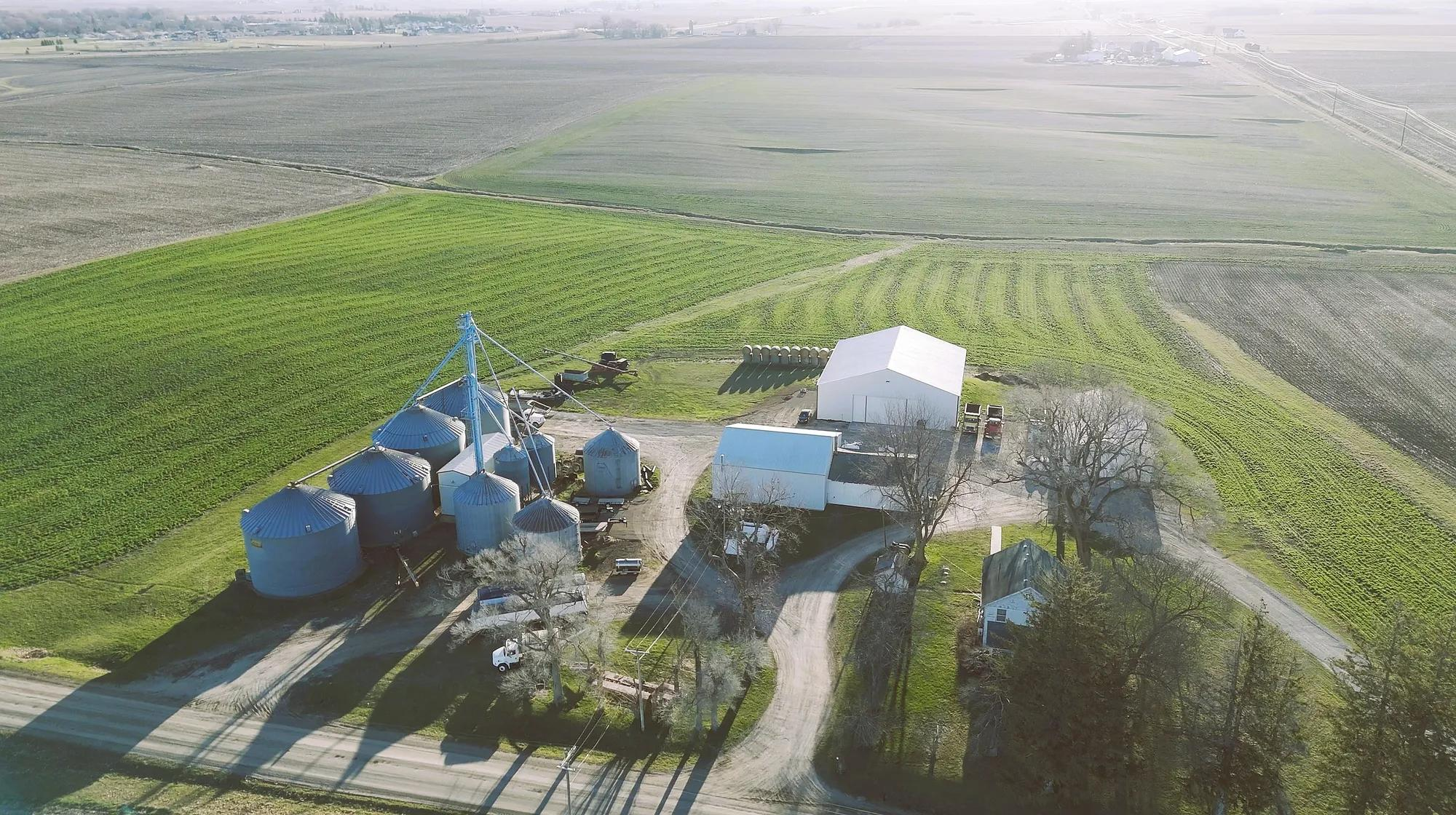
The project will also support grain movements linked to George Weston Foods’ new flour processing facility. More than 300,000 tonnes of grain are expected to move by rail each year, reducing reliance on road transport and improving the efficiency of agricultural and food manufacturing supply chains in the region.
Regional freight networks are under pressure from rising road costs, labour shortages, emissions targets, and congestion around major ports. Intermodal infrastructure allows bulk and containerised freight to move by rail over longer distances before switching to road for local delivery, reducing truck kilometres and improving predictability for high-volume shippers.
Ballarat’s location gives the project a role beyond one industrial estate. The city sits within a growing regional manufacturing and logistics corridor, with access to Melbourne, western Victoria, agricultural production zones, and export gateways. Bringing rail access into the employment zone gives manufacturers and freight operators more options for moving raw materials and finished goods at scale.
The food manufacturing link is particularly important. Milling, grain handling, bakery supply chains, and packaged food distribution all depend on reliable inbound material flows and efficient outbound logistics. Rail-linked capacity can reduce exposure to road disruption while supporting larger shipment volumes into processing and distribution networks.
Regional transport investment is being shaped by the same forces seen in Asian feeder orders point to regional capacity shift, where new capacity is being positioned around changing trade and production patterns. Ballarat applies that logic inland, building a freight node that connects production zones to port access without routing every movement through congested road corridors.
Intermodal hubs can also alter the investment case for adjacent industrial land. Tenants with heavy inbound raw materials, export products, or high-volume domestic distribution can build transport strategy into site selection rather than treating freight as a separate cost. That makes serviced industrial land more attractive to food manufacturers, agribusinesses, packaging suppliers, and logistics providers.
The project is scheduled for completion in late 2026, placing it inside a wider Australian push around regional freight resilience. Governments are seeking to reduce bottlenecks, improve export access, and support regional employment, while private operators are looking for transport options that can control costs and service levels over longer planning horizons.
For western Victoria, the practical value will be measured in rail reliability, terminal efficiency, container availability, and the ability to attract tenants that can use the hub rather than simply locate beside it. Strong intermodal sites become operating platforms for manufacturers that need predictable, high-volume movement into national and export supply chains.