IN Brief:
- A clarification dated 9 November moves the performance guarantee deadline to 28 days after contract signing.
- The Shawei development includes two proposed 200,000 dwt bulk berths and a 1,080-day construction period.
- A revised priced bill of quantities replaces earlier bidding schedules, while other tender terms remain unchanged.
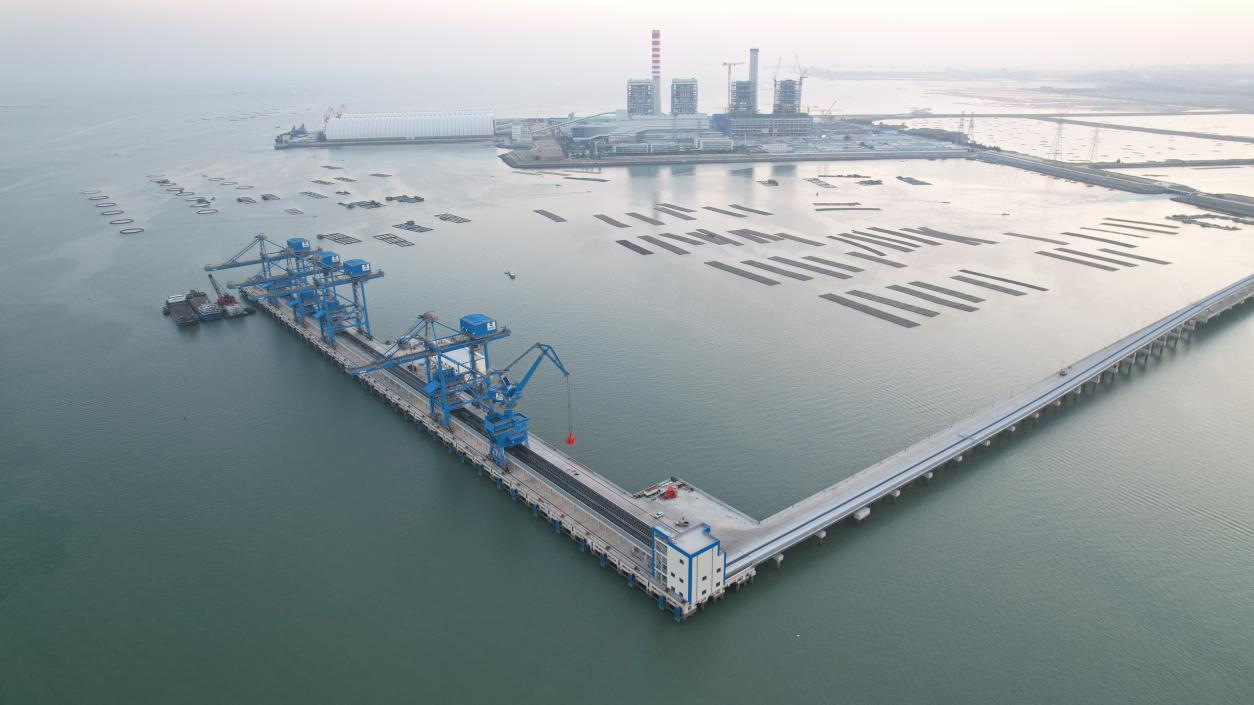
Beibu Gulf Port has amended the construction tender for berths 4 and 5 at the Shawei operating area of Tieshan East Port in Beihai, Guangxi. The 9 November clarification changes when the successful contractor must provide a performance guarantee and replaces the priced bill of quantities. The project comprises two proposed 200,000 deadweight tonne bulk berths within a wider investment estimated at RMB4.212bn, or approximately $627m.
The construction package covers the marine infrastructure required to establish the berths and connect them with the landside handling area. Listed works include quay structures, approach bridges, harbour dredging, embankments, reclamation, supporting buildings and environmental installations. Contractors are being invited to tender for a single construction section, with bids due on 1 December 2026.
A separate procurement seeks construction supervision services, with a 27 November deadline. The two processes have different purposes: the construction contractor will deliver the physical works, while the supervision appointment provides oversight of execution against the design, programme and applicable requirements. Neither tender notice establishes that a contractor has been appointed.
The scheme has an annual design throughput of 19 million tonnes and a stated handling capacity of approximately 19.9 million tonnes. These are planning figures for the proposed infrastructure, not operating results. Actual volumes will depend on vessel calls, cargo demand, unloading machinery, stockyard turnover, and the capacity of the inland connections used to move cargo away from the port.
Coal, iron ore and bauxite are identified as the principal commodities for the new terminals. These cargoes need handling systems suited to high-volume solid materials rather than the cranes and stacking arrangements used for containers. The mix of unloading equipment, conveyors, transfer points and stockyard facilities will influence how efficiently vessels can be cleared and cargo transferred onward.
The new berths are intended to serve industrial activity around the Longgang New Area and the wider Beihai hinterland. Beibu Gulf Port has identified a shortfall in existing 200,000 dwt bulk capacity. A berth capable of accommodating larger vessels can change cargo parcel size and the frequency of calls, but its operating advantages depend on adequate channel depth, unloading rates, and onward transport capacity.
The proposed rear operating area is approximately 705,200 sq m, equivalent to 70.52 hectares. It includes space for yards and supporting facilities that must accommodate cargo arriving in large shiploads before it is distributed inland. Stockpiles and material routes need to be arranged so that incoming shipments do not obstruct unloading equipment or require excessive rehandling between the berth and the point of dispatch.
Iron ore and bauxite flows can serve metals and processing industries, while coal handling may support power generation and industrial fuel requirements. Their handling properties and environmental controls differ. Dust suppression, runoff containment and equipment selection must be aligned with individual cargo characteristics, although the available tender material does not establish the final equipment supplier or the layout of every handling system.
The construction programme allows 1,080 calendar days. Procurement records refer to a planned period from December 2026 into December 2029, but the actual start depends on the appointment and mobilisation of a successful contractor. The timetable is therefore a procurement and delivery target rather than evidence that physical construction has already begun.
The tender requires prospective contractors to hold first-class or higher qualifications for port and waterway engineering construction and the specified safety certification. Joint consortium bids are not accepted under the published conditions. These requirements govern which construction businesses are eligible for the marine works; they do not identify an appointed contractor or the companies likely to win.
The clarification changes a specific contractual sequence. The original tender required the winner to supply its performance guarantee before contract signing. Under the revised clause, the guarantee must be provided within 28 calendar days after the contract has been signed. The deadline still creates a binding financing and administrative requirement for the successful bidder, but it changes the order in which the award documentation and security are completed.
The same notice substitutes a revised priced bill of quantities for the previous bidding schedule. Bidders no longer need to provide three supplementary pricing tables covering unit-price summaries, unit-price analyses, and principal material and equipment prices. Other tender provisions remain unchanged. The 9 November document therefore supplements the original invitation rather than opening a separate competition or restarting the timetable.
The RMB4.212bn estimate covers the wider berth investment and should not be labelled the construction contract’s final value. Tender prices, evaluation, and the eventual award will determine the contractor’s agreed consideration. Company resources and external financing have been identified in earlier investment reporting, but the public bid documents do not establish a winning price or an executed financing agreement for these works.
Marine works form a demanding first phase because approach channels, dredged areas, quay foundations and reclaimed land must be coordinated before heavy cargo-handling equipment can operate. Dredging quantities, ground-treatment requirements and the conditions of the foreshore influence the work sequence. The detailed engineering design and quantities, rather than the nominal berth size alone, will determine the resource demands on the contractor.
Beihai is part of the broader Beibu Gulf gateway serving western and southern Chinese industry. The new facilities would add a higher-capacity option for bulk imports and coastal distribution within that network. Their contribution to trade will ultimately be measured by completed infrastructure, available inland links and sustained industrial cargo volumes, not by the tender launch alone.
The next milestones are the 27 November supervision-tender deadline and 1 December construction-bid deadline, followed by evaluation and award. The announced 1,080-day construction period is an anticipated delivery programme, not proof that physical works have begun. The new quay capacity will only become operational after the required marine construction, equipment installation, and commissioning are completed.