IN Brief:
- The federal Port Infrastructure Development Program award totals $11.2m, with a $2.8m local match.
- New equipment will include a mobile harbour crane, attachments, reach stackers, a top handler and yard trucks.
- The project also prepares Burns Harbor for possible international container traffic without confirming an operating service.
Ports of Indiana-Burns Harbor has received an $11.2 million federal award for cargo-handling equipment that can serve existing industrial freight and potentially support international container traffic. The award comes through the US Maritime Administration’s Port Infrastructure Development Program, with Ports of Indiana contributing a further $2.8 million to a $14 million project. The equipment would improve handling options for existing bulk and breakbulk operations while making container loading possible should shipping demand and terminal arrangements develop.
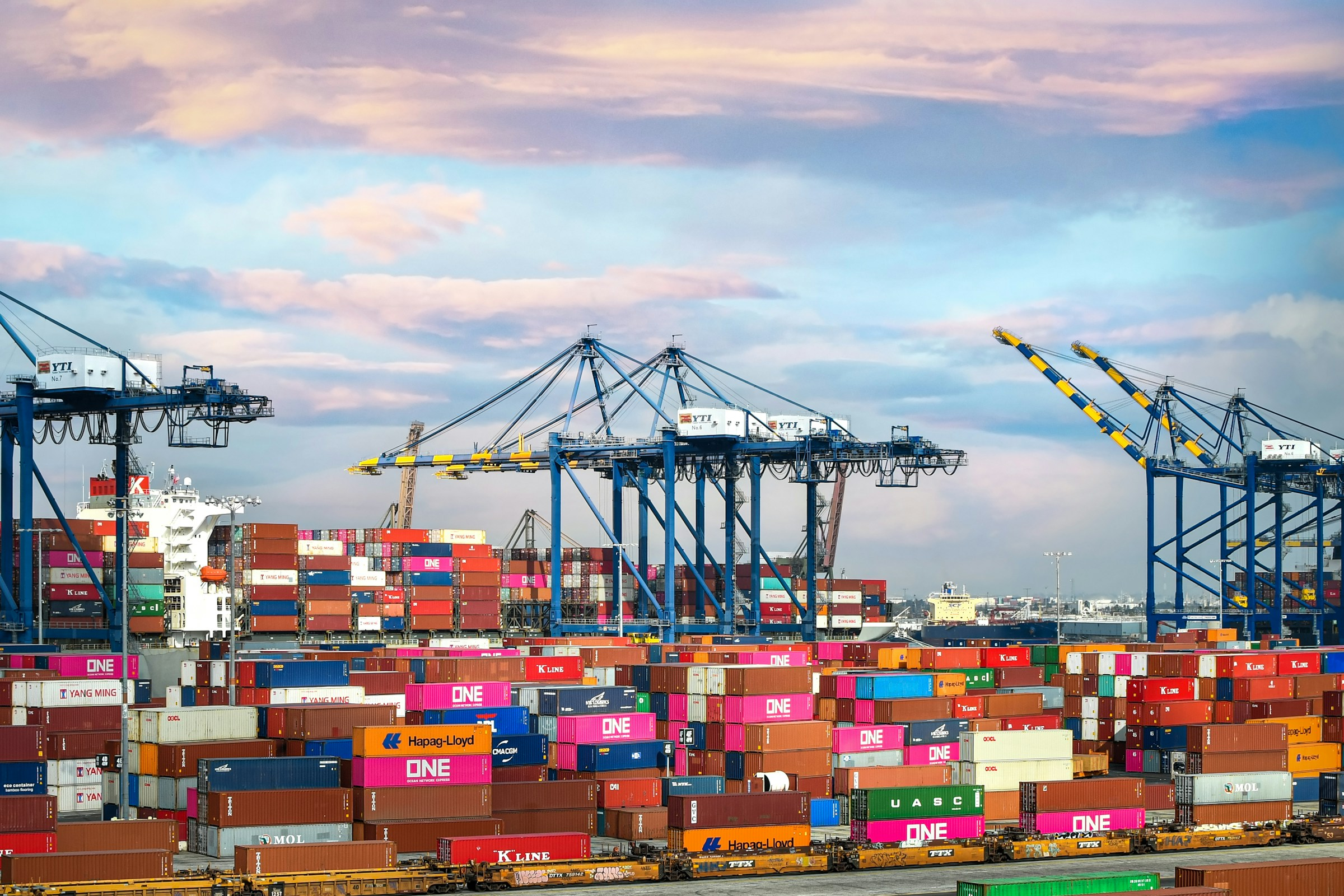
The planned purchases include a mobile harbour crane, bulk-handling attachments, reach stackers, a top handler and off-road yard trucks. Different attachments allow the crane to work with dry bulk material, individual heavy or oversized cargo and container spreaders. That flexibility is relevant to Burns Harbor because the port already handles industrial cargo including steel, construction materials and project shipments, while dedicated international container traffic remains a potential future operation.
A mobile harbour crane works across a range of berths and cargo types rather than being restricted to a single container-handling task. Bulk grabs can transfer loose commodities, while hooks and lifting gear handle breakbulk items such as fabricated steel or large plant components. A container spreader permits the crane to engage standard container corner fittings. The port has specified these functional capabilities, but has not provided the crane model, lift capacity, reach or expected moves per hour.
Yard equipment determines how quickly freight can move between the quay and the storage area after discharge and before loading. Reach stackers can pick up and reposition containers, while top handlers serve container stacking and transfer tasks within the terminal. Off-road yard trucks provide horizontal transport between the quay and storage areas. Their combination with lifting equipment determines how cargo can be transferred across the site; a higher-capacity quay crane alone cannot remove a bottleneck elsewhere in the handling chain.
Burns Harbor sits on Lake Michigan in an industrial region with steel production and manufacturing activity. The project is designed to work within existing dock and terminal space, rather than being presented as a new deep-water port or a completed container terminal. The port says the purchases will support both current cargoes and potential container movements if market demand and operating arrangements justify the service. There is no confirmed new international container sailing timetable in the funding announcement.
The total project funding combines the federal contribution with local capital. An award of $11.2 million is not equivalent to the entire $14 million project being financed from federal sources. The federal allocation is part of a broader US funding programme covering 35 projects across 19 states, but the equipment and local match described for Burns Harbor form their own defined modernisation package. Neither the total national programme nor its spending timetable should be confused with this port’s individual grant.
Handling flexibility can matter when commodity mixes change from one vessel call to the next. Bulk cargo handling often needs different grab mechanisms, dust control and storage arrangements from container transfer, while breakbulk equipment must accommodate irregular dimensions and lifting points. The project supports a port seeking to serve several industrial cargo markets without prescribing a single fixed-use berth. Actual gains in throughput will depend on berth access, yard space, workforce planning and the arrival pattern of ships and trucks.
The port has not disclosed detailed machinery delivery dates, equipment supplier awards or quantified gains in tonnes handled or container moves. An ability to lift containers does not itself establish customs processing, shipping contracts, inland connections or enough cargo volume to sustain regular container calls. Equipment compatibility is one prerequisite among several. The port also retains its existing business in bulk and industrial consignments regardless of whether new container services materialise. In that operating mix, equipment that can be reconfigured between cargo types may be used more consistently than machinery dedicated to a route that has not yet started. The precise utilisation benefit remains unquantified.
Federal support gives the port a funded route to acquire equipment serving multiple cargo categories, rather than relying on a future container project to justify every purchase. The next identifiable steps are equipment procurement, delivery and integration with dock and yard operations. Procurement and commissioning remain outstanding. Existing industrial cargo will provide the initial operating case, while any container service requires shipping commitments and inland handling arrangements beyond the crane and yard equipment itself.