IN Brief:
- South Carolina Ports will pause Leatherman Terminal container operations from 1 August 2026.
- Container activity will move to Wando Welch and North Charleston terminals.
- The decision reflects cost pressure, trade uncertainty, and weaker volume expectations.
South Carolina Ports will temporarily pause container operations at the Hugh K. Leatherman Terminal from 1 August 2026, consolidating activity at the Wando Welch and North Charleston terminals.
The authority is moving to concentrate container volumes across its other Charleston facilities as trade forecasts soften and cost competitiveness comes under pressure. Leatherman currently handles a smaller share of the port’s container activity, making it the facility where a temporary pause can reduce operating cost while keeping the asset available for future demand.
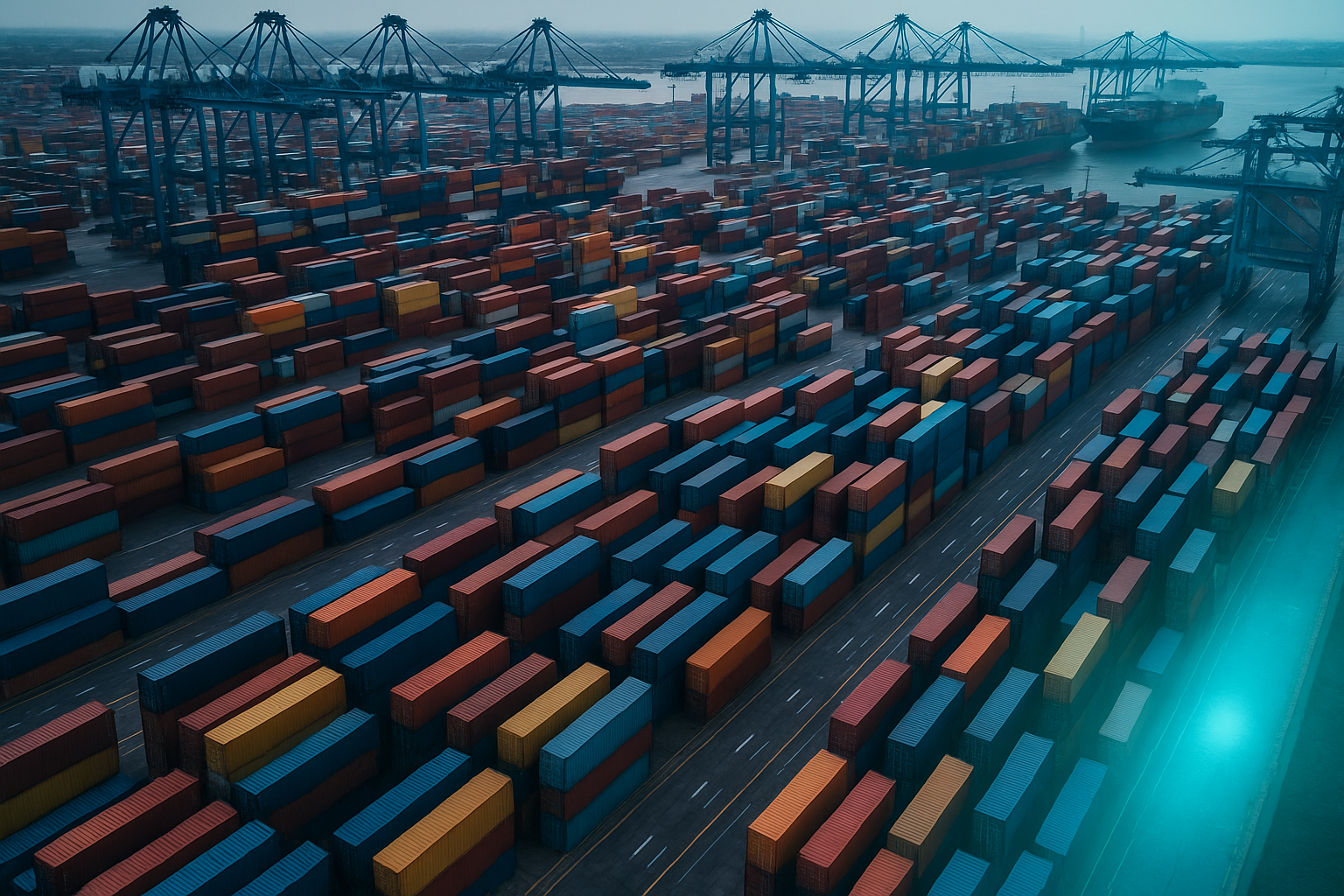
Leatherman is a major infrastructure asset. Phase One opened in 2021 and added 700,000 TEU of annual capacity to the US East Coast market. The terminal includes a 1,400ft berth, five ship-to-shore cranes, 25 hybrid rubber-tyred gantry cranes, and refrigerated container capacity. When fully built, the three-berth terminal is designed to add 2.4m TEU of throughput capacity to the Port of Charleston.
The decision therefore reflects utilisation rather than long-term redundancy. Container terminals carry substantial fixed costs in labour, equipment, maintenance, systems, security, and yard operations. When volumes are spread too thinly across several facilities, cost per move can rise and productivity can weaken.
Consolidating cargo at Wando Welch and North Charleston allows South Carolina Ports to focus vessel calls, yard operations, gate activity, labour, and equipment use across higher-utilisation sites. The effectiveness of that move will depend on terminal fluidity, drayage patterns, appointment availability, empty container flows, chassis supply, and inland connections.
Port forecasting has become harder as US import demand moves through tariff uncertainty, retail inventory caution, and shifting sourcing patterns. Export demand remains exposed to currency movements, industrial output, agricultural cycles, and global trade policy. Ports must plan infrastructure years ahead while managing commercial swings that can appear within a single season.
That tension is visible in other cargo infrastructure projects. The latest procurement delay at Subic’s cargo hub showed how long-term port capacity plans can be complicated by immediate delivery, funding, and market pressures. Freight infrastructure rarely fails because demand disappears forever; it becomes difficult when capacity arrives out of step with the commercial cycle.
For Charleston users, the practical question is transition management. A terminal pause can be absorbed if vessel schedules, gate rules, cut-offs, container availability, and appointment systems are communicated clearly. Disruption usually appears when routing changes faster than the landside processes around them.
Refrigerated cargo will need particular attention. Leatherman has reefer capacity, and temperature-controlled shippers depend on plug availability, inspection discipline, and reliable gate access. Food, agriculture, and healthcare consignments are less forgiving of terminal confusion because dwell time and missed onward connections can affect product integrity.
The pause also shows how ports are trying to balance resilience and cost discipline. Additional capacity is valuable when volumes grow or congestion hits competing gateways. During softer markets, the same capacity can become expensive to keep active. A dormant terminal can still have strategic value if it gives the port room to respond when volumes strengthen or carrier networks change.
Carrier behaviour will remain central. Vessel rotations, alliance decisions, service consolidation, and port call patterns can quickly alter terminal requirements. If the East Coast market strengthens, Leatherman’s capacity may become attractive again. If volumes remain muted, concentrating activity may protect cost performance across the active terminals.
Ports are increasingly being managed as flexible systems rather than fixed sets of assets. Terminals can be expanded, paused, consolidated, repurposed, or reactivated depending on demand, labour conditions, and carrier requirements. That flexibility is useful, but only where the operating transition protects service levels.
South Carolina Ports’ decision places cost discipline ahead of keeping every piece of container capacity active. Leatherman remains a long-term option for Charleston, but from August the immediate priority will be higher utilisation at Wando Welch and North Charleston. The measure will be judged by cargo flow, not by the optics of capacity restraint.