IN Brief:
- West Fraser's £11.2 million Dalcross terminal has been commissioned beside its Inverness oriented strand board plant.
- Scottish Government support included up to £3 million through the Freight Facilities Grant programme.
- The original business case targets substantial reductions in HGV mileage by shifting long-distance manufactured-product movements onto rail.
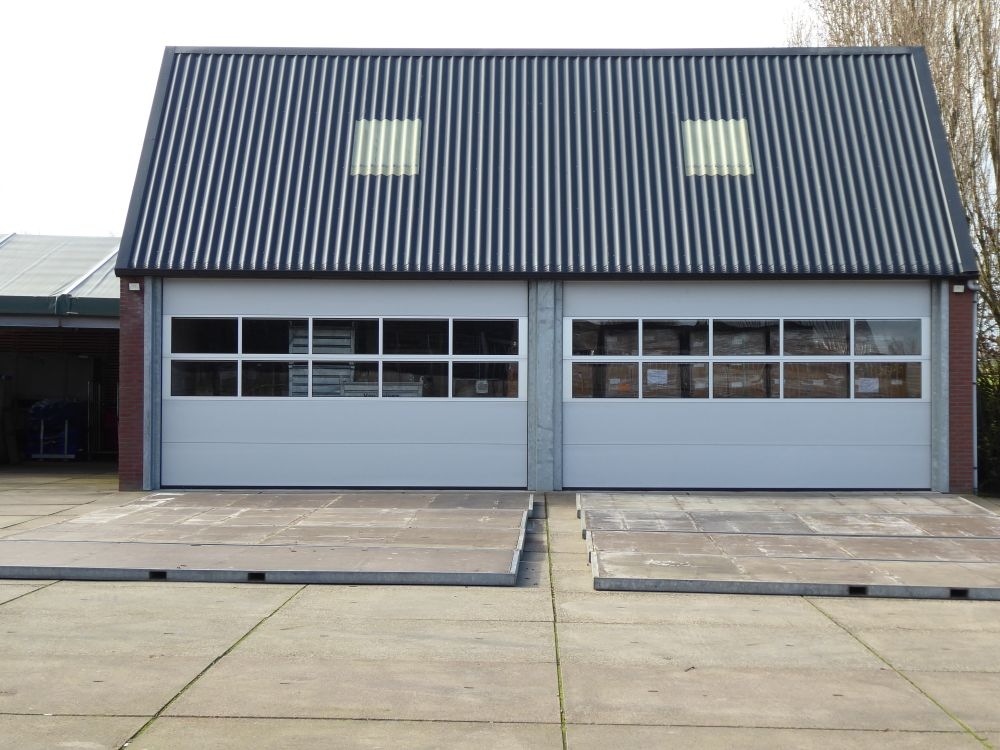
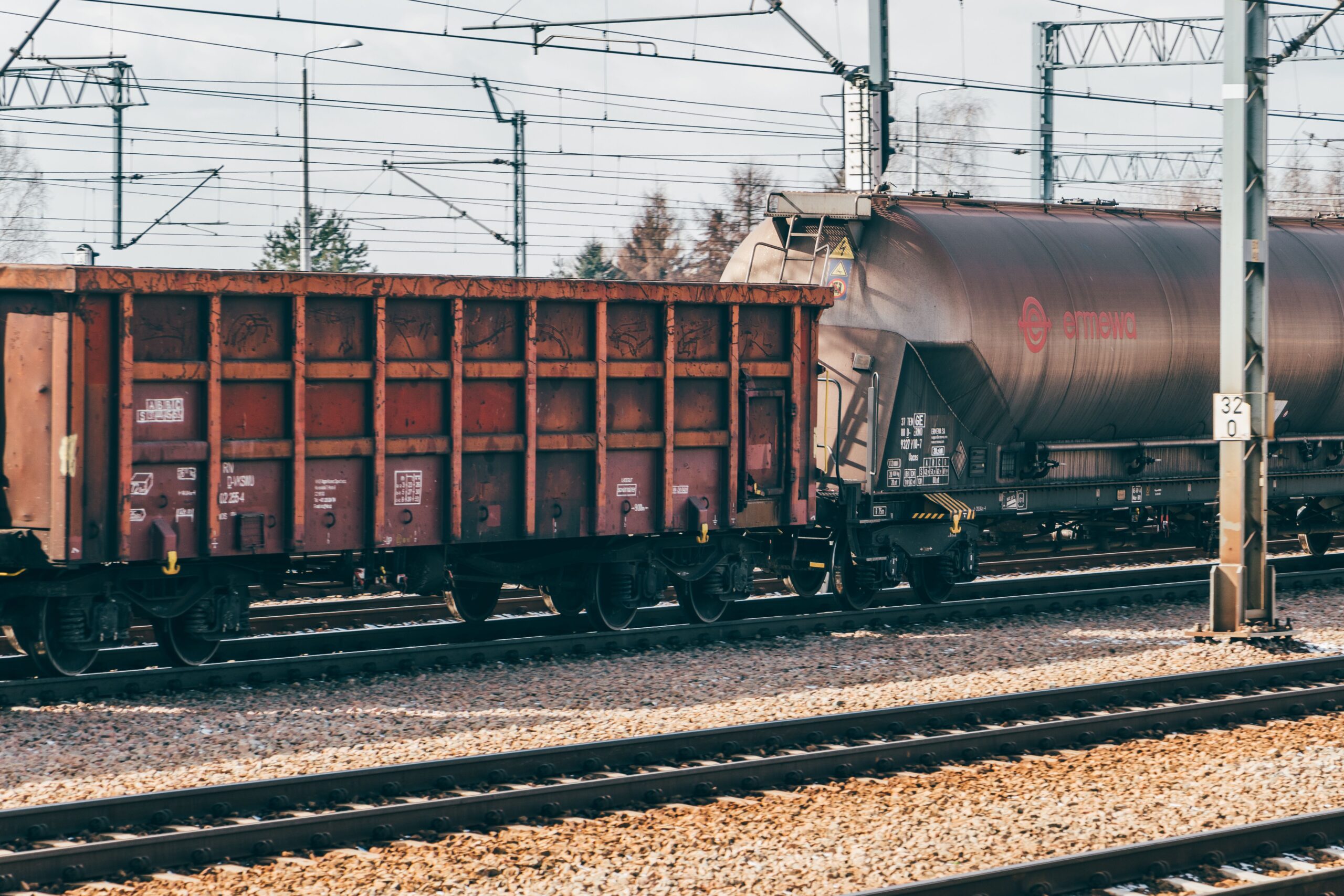
West Fraser has commissioned its £11.2 million rail freight terminal at Dalcross near Inverness, giving the company’s oriented strand board operation a direct connection to the national rail network and opening a practical route away from long-distance road haulage.
The terminal sits beside West Fraser’s Inverness manufacturing site and connects with the Aberdeen-Inverness railway. It moves the project from construction into operation less than a year after the Scottish Government awarded up to £3 million through the Freight Facilities Grant programme.
West Fraser funded the balance of the investment as part of a plan to move more finished product by rail. The direct siding removes the need for an initial truck movement to another railhead, which is often one of the cost and handling penalties that makes rail difficult to justify for industrial freight.
Rail works best where large, repeatable volumes can be loaded close to production and moved long distances without repeated handling. Every additional transfer between factory, truck, terminal, and train introduces labour, equipment, scheduling, and another opportunity for delay.
Oriented strand board suits that model relatively well. The product is bulky, moves in substantial quantities, and leaves a fixed manufacturing site for construction and building-material markets across the UK, creating regular flows that can be accumulated into trainload or block-train movements.
The original Dalcross business case estimated that the terminal could remove more than 8.5 million lorry miles from Scottish roads over ten years and more than 17 million miles across the UK network. Scottish Government projections also suggested that the equivalent of up to 100 HGV movements a week could eventually shift from road to rail.
West Fraser estimated that the first phase could eliminate around 20,000 HGV journeys on the A96 and A9 and avoid approximately 9,000 tonnes of carbon dioxide emissions annually. Those figures remain forecasts until operating data shows how much freight is actually transferred, but commissioning the terminal gives the project a chance to test them against real traffic.
The location increases the potential mileage saving. Inverness is a long distance from many of the UK’s largest construction, distribution, and population centres, so the trunk section accounts for a substantial share of each delivery. Moving that part by rail can remove more HGV mileage than the same modal shift from a plant located close to its main customers.
Road haulage will remain part of the network. Trucks still provide flexibility for shorter customer deliveries and locations without rail access, while final distribution from receiving terminals may continue by road. The change is in where the long-distance portion of the journey is performed.
That distinction can improve resilience as well as emissions performance. A manufacturing site dependent entirely on road transport is exposed to driver shortages, fuel-cost changes, congestion, weather disruption, and motorway incidents through the same mode.
Rail introduces a second option, albeit one with its own constraints. Services need suitable paths, locomotives, wagons, receiving terminals, and reliable first- and last-mile arrangements, and disruption on the network can still affect delivery performance.
The Freight Facilities Grant is intended to address one of the reasons such projects struggle to proceed without support. Sidings, track connections, signalling, loading equipment, and terminal construction require capital before the first tonne moves, while some of the resulting benefits — lower road congestion, fewer HGV miles, and reduced emissions — accrue beyond the company making the investment.
Public funding is therefore used to bridge the gap where a modal-shift project produces wider transport benefits that are not fully captured in the operator’s private return. Dalcross received up to £3 million on that basis, leaving West Fraser to make the larger commercial commitment.
The project is less speculative than a new logistics park built in search of future tenants because the cargo already exists beside the railway. West Fraser has an operating factory, established product flows, and a direct incentive to fill trains if rail proves competitive against road for the trunk journey.
That does not guarantee utilisation. Regular rail services need enough volume to justify each departure, and customers still expect delivery frequencies that may not always align neatly with train schedules. Demand can also vary with construction activity, leaving the operator to balance train economics against changing order patterns.
The terminal could carry wider value if other freight users eventually gain access, although West Fraser’s own flows underpin the current case. Shared use can improve asset utilisation, but it introduces another layer of scheduling, storage, handling, and commercial coordination that has to work around the manufacturer’s requirements.
Scotland has spent years attempting to increase rail’s share of freight while reducing heavy-vehicle mileage. The practical barrier has rarely been a lack of targets; it is the absence of usable rail access at the factories, warehouses, ports, and distribution sites where freight begins and ends.
Dalcross addresses that problem directly by putting rail beside production. The next measure is not the ribbon-cutting date but the frequency of services, average train loading, tonnes shifted, and the number of road journeys that disappear from the A9 and A96 once the operation settles.
Those figures will also show whether the £11.2 million investment can sustain itself commercially after the initial modal-shift case has been made. A terminal that regularly fills trains can become part of the factory’s normal distribution system; an underused siding simply turns into another expensive piece of fixed infrastructure.
West Fraser now has the physical connection it lacked. The harder part begins with everyday operations: assembling enough freight, securing reliable paths, coordinating receiving terminals, and making rail dependable enough that logistics planners choose it because it works, not merely because the project was designed to remove trucks from the road.