IN Brief:
- DHL Global Forwarding has acquired long-standing partner Aero Cargas, creating its first direct operating presence in Uruguay.
- Aero Cargas adds air and ocean freight, project logistics, land transport, free-zone operations, pharmaceutical logistics, and inventory management.
- All Aero Cargas employees will transfer into DHL's Peru-Ecuador-Argentina-Chile cluster as the businesses integrate.
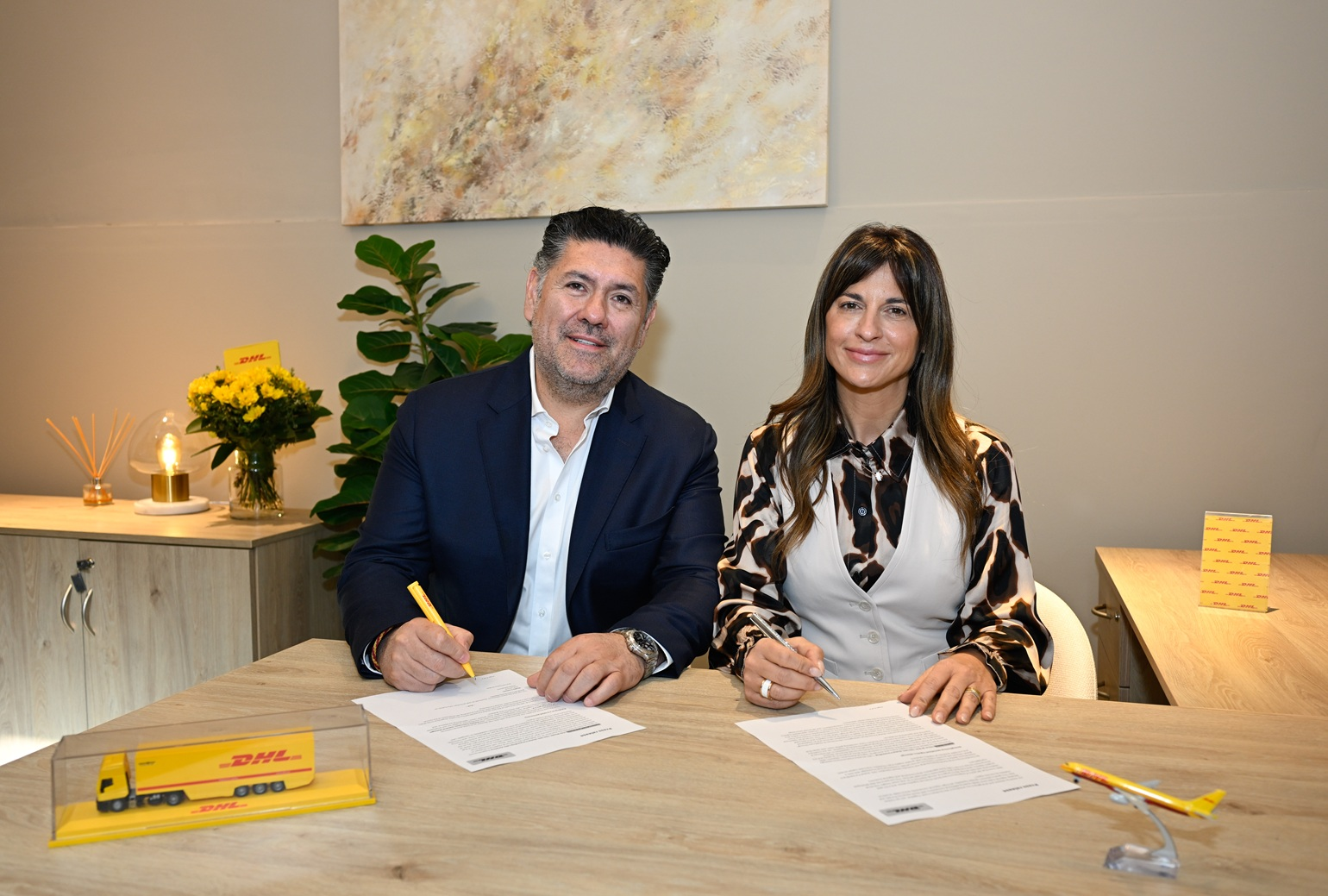
DHL Global Forwarding has acquired Uruguay-based Aero Cargas, giving the freight forwarder its first direct operating presence in the country after more than three decades of partnership between the two businesses.
DHL Global Forwarding will integrate Aero Cargas into its Peru-Ecuador-Argentina-Chile cluster. All employees of the acquired company are expected to transfer into DHL’s organisation.
Aero Cargas brings more than 58 years of experience in South American logistics and has worked with DHL Group for 33 years. Its services include air and ocean freight, industrial project logistics, land transport, multimodal operations, free trade zone services, pharmaceutical logistics, and regional inventory management.
The acquisition changes DHL’s operating model in Uruguay from a partner relationship to direct ownership. That gives the company control over local systems, investment, operating standards, compliance, sales, and customer service while retaining the staff and market knowledge already built inside Aero Cargas.
Uruguay’s position within the Southern Cone is central to the transaction. Montevideo provides Atlantic maritime access alongside links to the region’s inland waterways and Mercosur markets, while the country’s free port and free trade zone arrangements support inventory consolidation, processing, repacking, and onward distribution.
Healthcare is one of the specific markets DHL is targeting. The company says more than US$1 billion of pharmaceutical products move through Uruguay each year, including active ingredients and finished products arriving from Europe and North America before redistribution to markets including Brazil, Argentina, Chile, and Colombia.
Direct control supports specialist logistics
Regulated pharmaceutical logistics require closer operational control than general freight forwarding. Temperature conditions, inventory records, validated handling procedures, packaging, security, customs processes, and exception management all have to remain consistent as shipments move between warehouses, airlines, road carriers, and border authorities.
Working through an established local agent can support those requirements, but ownership gives DHL greater scope to standardise procedures and technology across countries. It can also make investment decisions easier where equipment, facilities, training, or systems are needed specifically for healthcare customers.
Aero Cargas adds project logistics as well as pharmaceutical expertise. Industrial projects can involve oversized machinery, high-value equipment, complex customs arrangements, and timed delivery sequences that require air, sea, and road transport to be coordinated around construction or commissioning programmes.
DHL has specifically linked the acquisition to Uruguay’s expanding data centre sector. Equipment for those projects can include electrical systems, cooling plant, servers, and heavy infrastructure, creating freight requirements that differ from conventional palletised distribution.
Free-zone operations provide another useful capability. Companies serving several Latin American countries can consolidate inventory into a regional hub and delay final market allocation until demand becomes clearer, reducing the amount of stock held separately in each destination.
That model trades inventory efficiency against transport and customs reliability. A central stockholding point is useful only if onward movements can be completed predictably enough to maintain service levels across the countries it supports.
Uruguay joins DHL’s wider Latin American investment programme
DHL Group announced a €2 billion healthcare logistics investment programme in 2025, with approximately 10% expected to be directed towards Latin America. The Montevideo acquisition creates a directly owned platform through which some of that specialist capacity can be developed.
Healthcare is not the only rationale. Uruguay’s location gives DHL another point from which to connect ocean, air, road, and regional distribution flows around the Southern Cone, complementing operations in larger neighbouring markets rather than competing with them purely on domestic freight volume.
The existing 33-year partnership reduces some of the integration risk normally attached to an acquisition. Aero Cargas employees already know DHL’s network and customer expectations, while DHL has long experience of the local company’s operating capabilities.
Ownership still brings substantial integration work. Systems, contracts, branding, compliance procedures, commercial relationships, and internal reporting have to be brought into DHL’s structure without disrupting shipments or weakening the local decision-making that made Aero Cargas valuable.
The transfer into the Peru-Ecuador-Argentina-Chile cluster also creates a more formal regional operating structure. Customers with freight moving across several countries can potentially work through common DHL processes rather than separate agency arrangements, particularly where shipments combine international forwarding with local warehousing or specialist handling.
For pharmaceutical and industrial customers, the useful measure will be whether the acquisition produces greater capacity, more consistent shipment data, stronger gateway access, or additional specialist services. A change of ownership by itself does not improve a supply chain unless those operating capabilities follow.
DHL now has a directly controlled freight-forwarding operation in Uruguay for the first time. The next stage is comparatively mundane but more important than the announcement: integrating a 58-year-old local operator into a global network without losing the relationships and operational knowledge developed during 33 years as its partner.